


How Dust Proof Is the SCB13 Type Dry-Type Transformer?
For indoor distribution systems, dust control is never a minor issue.
Fine particles can settle on insulation surfaces, block cooling paths, and raise long-term operating risk.
That is why SCB13 Type Dry-Type Transformer dust proof performance matters during equipment selection.
In practical terms, this model is not fully sealed like some special enclosures.
However, it is built to resist dust impact far better than oil-filled designs exposed to leakage or contamination concerns.
Its cast-resin structure, dense insulation body, and stable manufacturing quality make dust-related failure less likely.
What Dust Proof Really Means in Practice
A dry-type transformer does not rely on liquid insulation.
That already removes one major path for contamination and maintenance complexity.
Still, dust proof does not mean dust can be ignored.
The real question is whether dust buildup can weaken insulation, increase temperature, or trigger discharge.
For SCB13 Type Dry-Type Transformer dust proof evaluation, three points are critical:
- Surface resistance to dust attachment
- Insulation stability after long exposure
- Cooling performance under dusty indoor conditions
A strong design performs well across all three, not just on paper.
Why the SCB13 Structure Helps Resist Dust
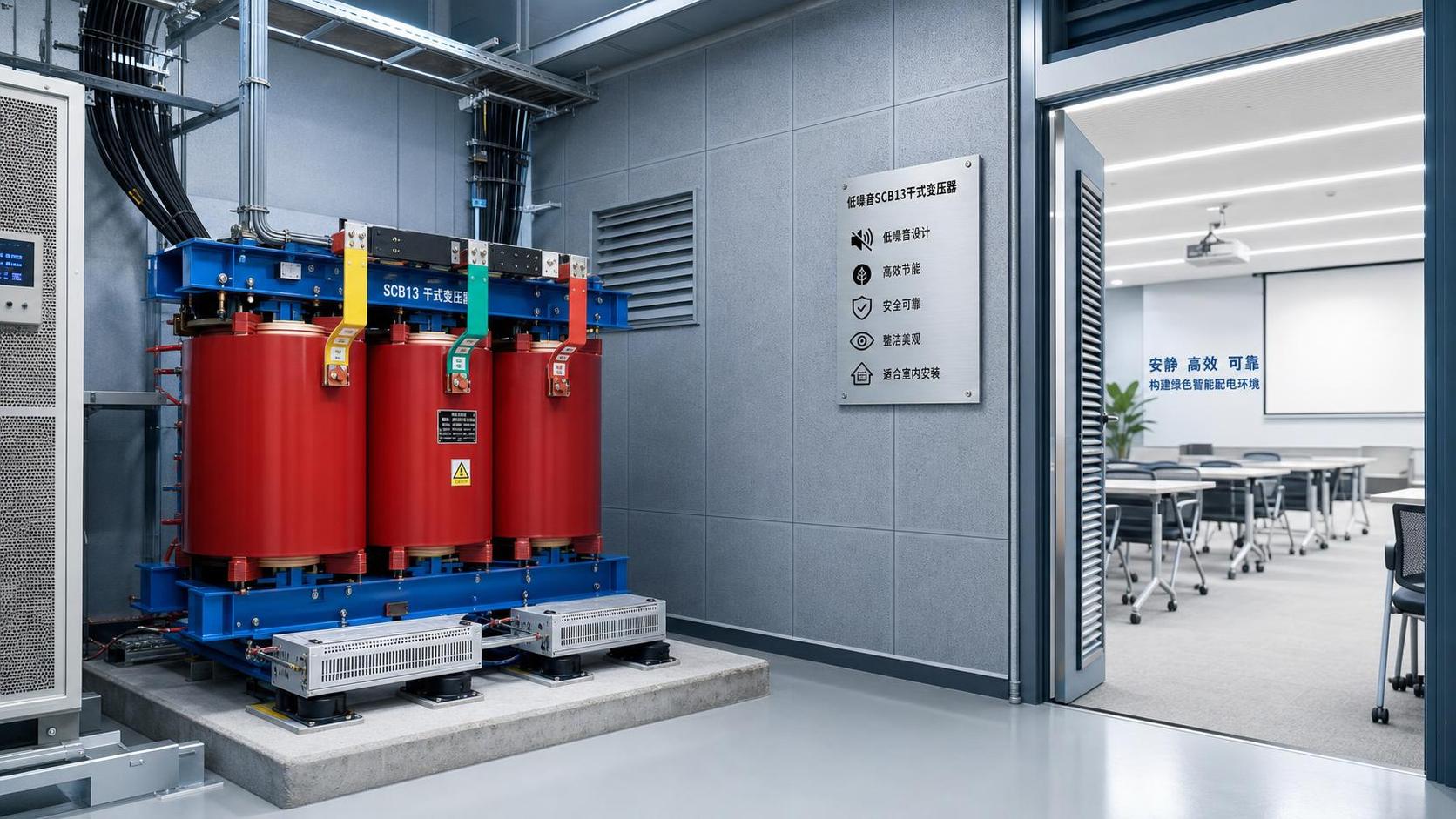
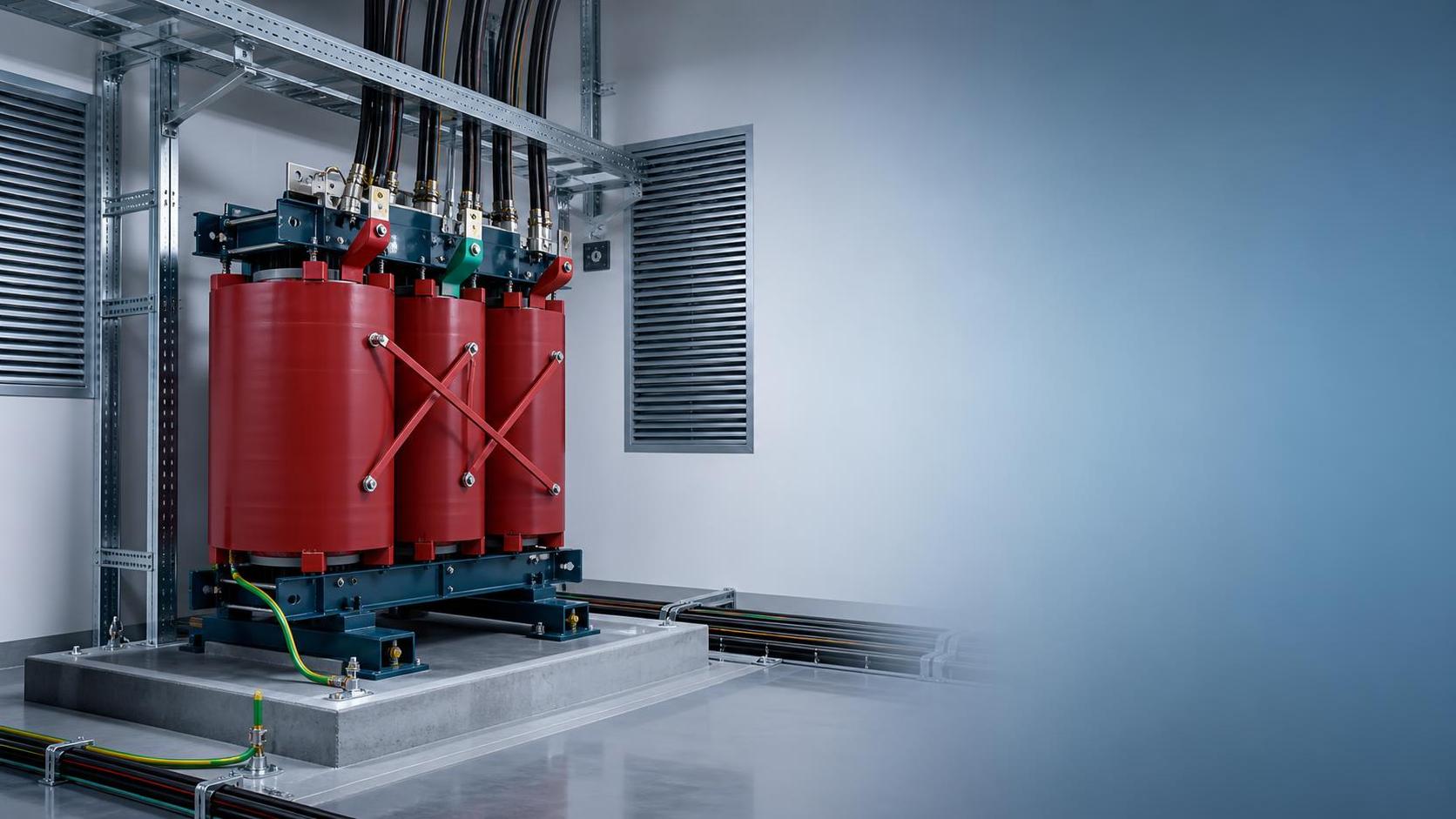
The SCB13 uses cast-resin windings with a dense cured body.
This matters because porous or uneven insulation traps dust more easily.
A smoother and denser surface is easier to inspect and easier to clean.
More importantly, the resin process uses advanced mixing and vacuum thin-film degassing technology.
That helps remove air bubbles and creates a more uniform insulation structure.
From a dust proof perspective, uniform insulation lowers the chance of localized weakness.
It also supports extremely low partial discharge, which is a strong signal of insulation quality.
Another practical benefit is fire safety under dirty operating conditions.
The cast body is flame-retardant, explosion-proof, and environmentally friendly.
The winding insulation has self-extinguishing properties and helps prevent arcing during short circuits.
Under high heat, the resin does not produce toxic or harmful gases.
That makes dusty indoor installations easier to manage from a safety standpoint.
How It Compares in Real Indoor Environments
Most indoor dust comes from ventilation, construction residue, fibers, or industrial particles.
In these spaces, SCB13 Type Dry-Type Transformer dust proof performance is generally strong.
It is especially suitable for commercial buildings, plants, substations, and public facilities.
That said, performance still depends on the enclosure grade and room cleanliness.
A transformer installed in a clean electrical room will naturally keep lower dust loading.
A unit placed near textile dust, cement powder, or metal fines needs tighter inspection cycles.
From recent project demand, buyers now ask for dust resistance together with low noise and energy savings.
This model addresses both.
Its no-load loss is reduced by more than 20% compared with the SCB11 model.
Its noise level is 10 to 15 decibels lower than JB/T1008B-2016 requirements.
Lower heat and lower vibration often support more stable long-term operation in dusty sites.
What to Check During Quality and Safety Evaluation
A solid SCB13 Type Dry-Type Transformer dust proof review should go beyond sales claims.
Focus on construction details, production control, and operating fit.
- Check whether the resin surface is dense, even, and free from visible voids.
- Confirm partial discharge performance and insulation consistency.
- Review the ventilation path and planned cleaning access.
- Match the transformer with the actual dust category of the room.
- Verify compliance with relevant manufacturing and test standards.
Jiangsu Shengda Power Equipment Co., Ltd. builds transformers under strict management and inspection systems.
Its products comply with international standards including GB1094.1-2-1996 and GB/T6451-2008.
ISO9001 certification also strengthens confidence in process control and product consistency.
Limits, Risks, and Practical Maintenance Advice
Even good dust proof performance has limits.
Heavy conductive dust can still create trouble if housekeeping is poor.
Excessive dust on vents may reduce cooling efficiency and raise winding temperature.
In severe environments, selecting a suitable enclosure and room filtration is just as important as transformer design.
A workable maintenance routine usually includes:
- Scheduled visual inspection for dust layering on coils and cooling channels
- Dry cleaning with approved tools during shutdown windows
- Routine temperature and noise trend checks
- Immediate review after construction, renovation, or process changes nearby
These steps are simple, but they directly support SCB13 Type Dry-Type Transformer dust proof performance over time.
Final Assessment
So, how dust proof is the SCB13 Type Dry-Type Transformer?
In normal indoor service, it offers strong resistance to dust-related insulation and safety risks.
Its cast-resin structure, low partial discharge, flame-retardant properties, and stable manufacturing quality are the key reasons.
It is not a zero-maintenance answer for highly polluted rooms.
But with proper enclosure choice and routine cleaning, it performs reliably in demanding indoor applications.
For a closer product view, see SCB13 Type Dry-Type Transformer.
When evaluating new installations, treat dust proof performance as part of the full safety and lifecycle picture, not as an isolated feature.


 How to Compare ZGS Combined Substation Suppliers on Lead Time and Support
 How Low Noise Improves Indoor Use of SCB13 Dry-Type Transformers
 Where an Explosion Proof Transformer Is Required by Safety Conditions
 Distribution Transformer Installation Guide: Common Site Errors to Avoid
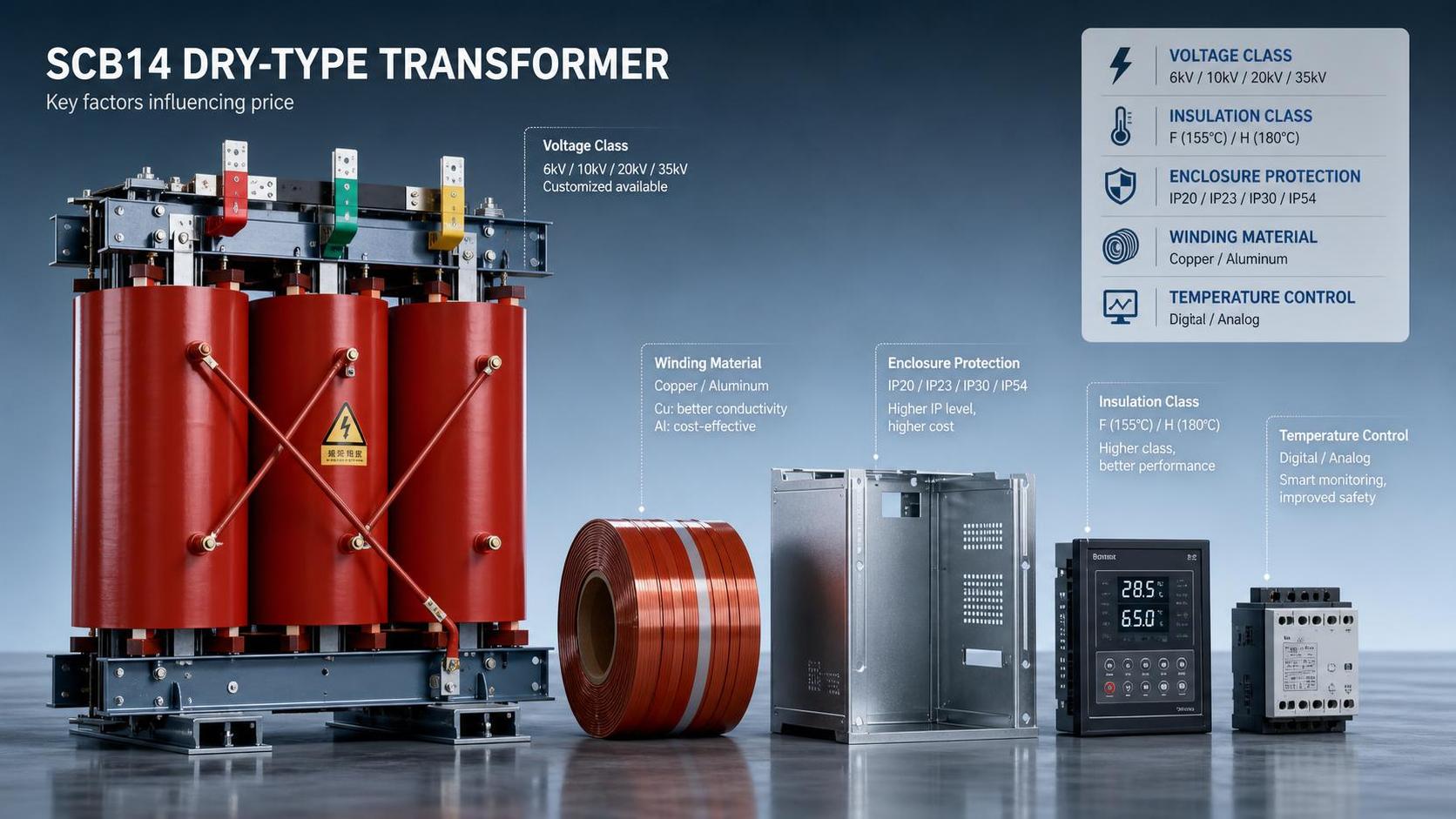
 What Affects SCB14 Type Dry-Type Transformer Price Besides Rated Capacity
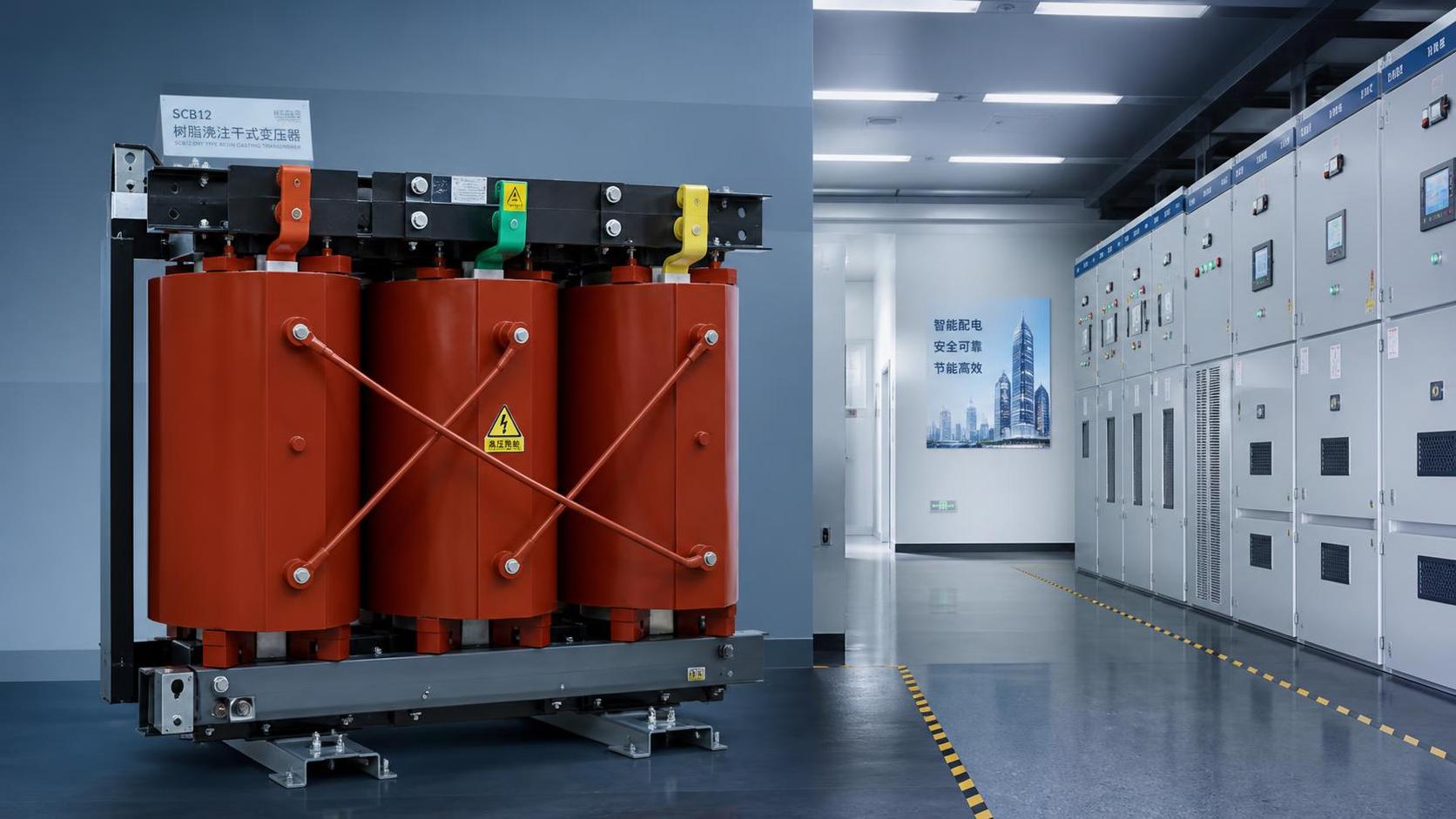
 SCB12 Type Dry-Type Transformer Applications That Benefit from Resin Insulation
GET A FREE QUOTE
We offer reliable products, competitive prices, and nationwide professional support, committed to providing customers with efficient and energy-saving power equipment solutions.