


Why do industrial control transformer standards matter so much?
An industrial control transformer is not judged by voltage rating alone.
In real installations, compliance affects safety, downtime, heat rise, insulation life, and inspection approval.
That is why UL, CSA, and IEC requirements deserve close attention before any unit reaches a control panel or distribution system.
The practical question is simple: does the transformer match the market, the application, and the risk profile?
For many factories, the answer depends on test records, insulation class, temperature performance, and short-circuit behavior.
Manufacturers with disciplined process control usually make this easier.
Jiangsu Shengda Power Equipment Co., Ltd. follows strict production, inspection, and ISO9001 quality management, with products aligned to international and domestic standards.
When people compare UL, CSA, and IEC, what are they really comparing?
They are comparing three compliance frameworks with overlapping goals but different approval paths.
UL usually matters most for the United States.
CSA is commonly required or preferred in Canada.
IEC is broader and often used for international projects, technical alignment, and export documentation.
For an industrial control transformer, all three focus on electrical safety, insulation integrity, temperature limits, and reliable operation.
The difference is in definitions, marking rules, test methods, and certification acceptance.
A common mistake is assuming IEC compliance automatically replaces UL or CSA approval.
In many projects, it does not.
Which technical points deserve the closest review during product evaluation?
The safest approach is to review the industrial control transformer as both a design item and a documented compliance item.
In practice, the following checkpoints reveal most hidden risks:
- Rated primary and secondary voltage, including control circuit stability under inrush conditions
- Insulation class and dielectric strength, especially between windings and core
- Temperature rise limits under continuous duty, not only nameplate capacity
- Short-circuit strength and protective coordination with upstream devices
- Marking, traceability, and consistency between reports and delivered units
For dry-type applications, partial discharge and flame behavior also deserve more attention.
This becomes relevant in enclosed spaces, public buildings, and areas with tighter fire safety expectations.
One useful example is SCB13 Type Dry-Type Transformer.
Its reduced no-load loss, low noise, and extremely low partial discharge show how performance details can support both compliance review and operational reliability.
Does application environment change the standard decision?
Very often, yes.
The same industrial control transformer may be acceptable in one project and unsuitable in another.
A control cabinet in a clean indoor workshop faces different constraints than a transformer near dust, vibration, or higher ambient temperature.
Needle-point checks usually include enclosure type, ventilation, harmonic exposure, and fire risk.
Where dry-type transformers are preferred, material behavior under heat becomes especially important.
For example, cast-resin designs with self-extinguishing insulation and low toxic gas release offer a stronger safety margin.
That is one reason some projects favor SCB-series dry-type solutions for indoor power distribution and sensitive installations.
A quick field judgment table
What are the most common compliance mistakes?
The first mistake is treating certification marks as the whole review.
A mark matters, but supporting documents matter just as much.
The second mistake is ignoring application-specific stress.
An industrial control transformer may pass routine testing yet still run hot in a poorly ventilated cabinet.
Another frequent issue is assuming lower loss always means universal suitability.
Loss reduction is valuable, but insulation structure, partial discharge control, and fault behavior remain essential.
For example, a dry-type design with more than 20% lower no-load loss than SCB11, lower noise under JB/T1008B-2016, and dense cast insulation can bring real benefits.
Still, the unit should be judged against the actual standard route, site condition, and acceptance requirement.
How should you build a practical review process before approval?
A strong review process is usually shorter than people expect.
What matters is asking the right questions early.
- Confirm the destination market and required acceptance standard
- Match transformer ratings to actual control load and inrush profile
- Request test reports for dielectric strength, temperature rise, and routine inspection
- Review fire, noise, and partial discharge behavior where relevant
- Check manufacturing consistency, traceability, and quality system evidence
This is where supplier capability becomes part of compliance control.
A manufacturer with stable inspection systems and broad transformer experience can reduce documentation gaps and selection errors.
That background is often more useful than a long product list alone.
Final takeaway: what is the safest next step?
The best next step is not choosing between UL, CSA, and IEC in the abstract.
It is mapping the industrial control transformer to the project location, load behavior, enclosure conditions, and approval expectations.
If dry-type performance is part of the decision, review noise, loss, insulation stability, and fire behavior together.
A reference point such as SCB13 Type Dry-Type Transformer can help frame those checks in practical terms.
From there, compare documents, test data, and site conditions side by side.
That approach usually leads to safer selection, cleaner audits, and fewer surprises after installation.



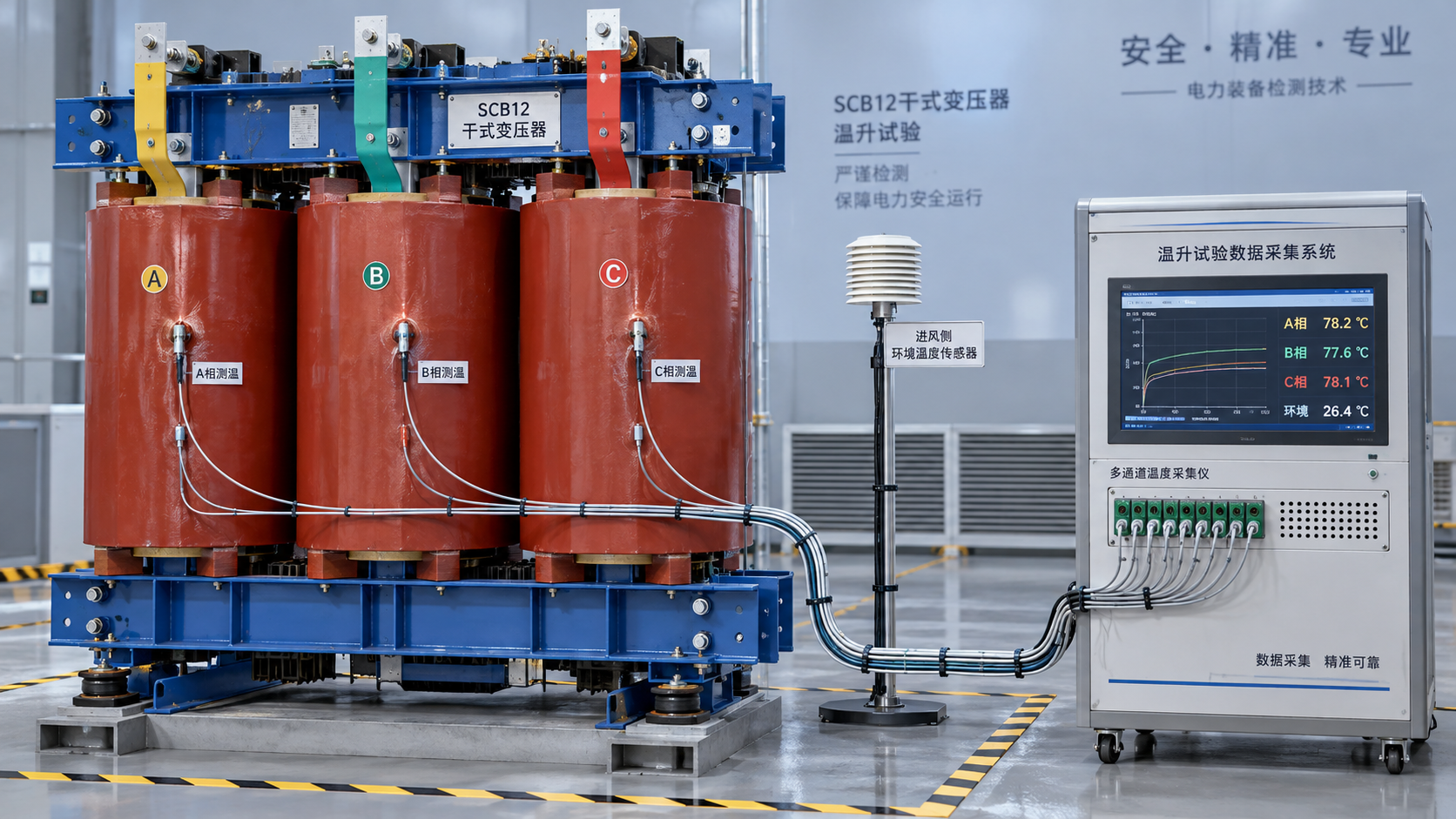
 How to verify the temperature-rise test of an SCB12 dry-type transformer
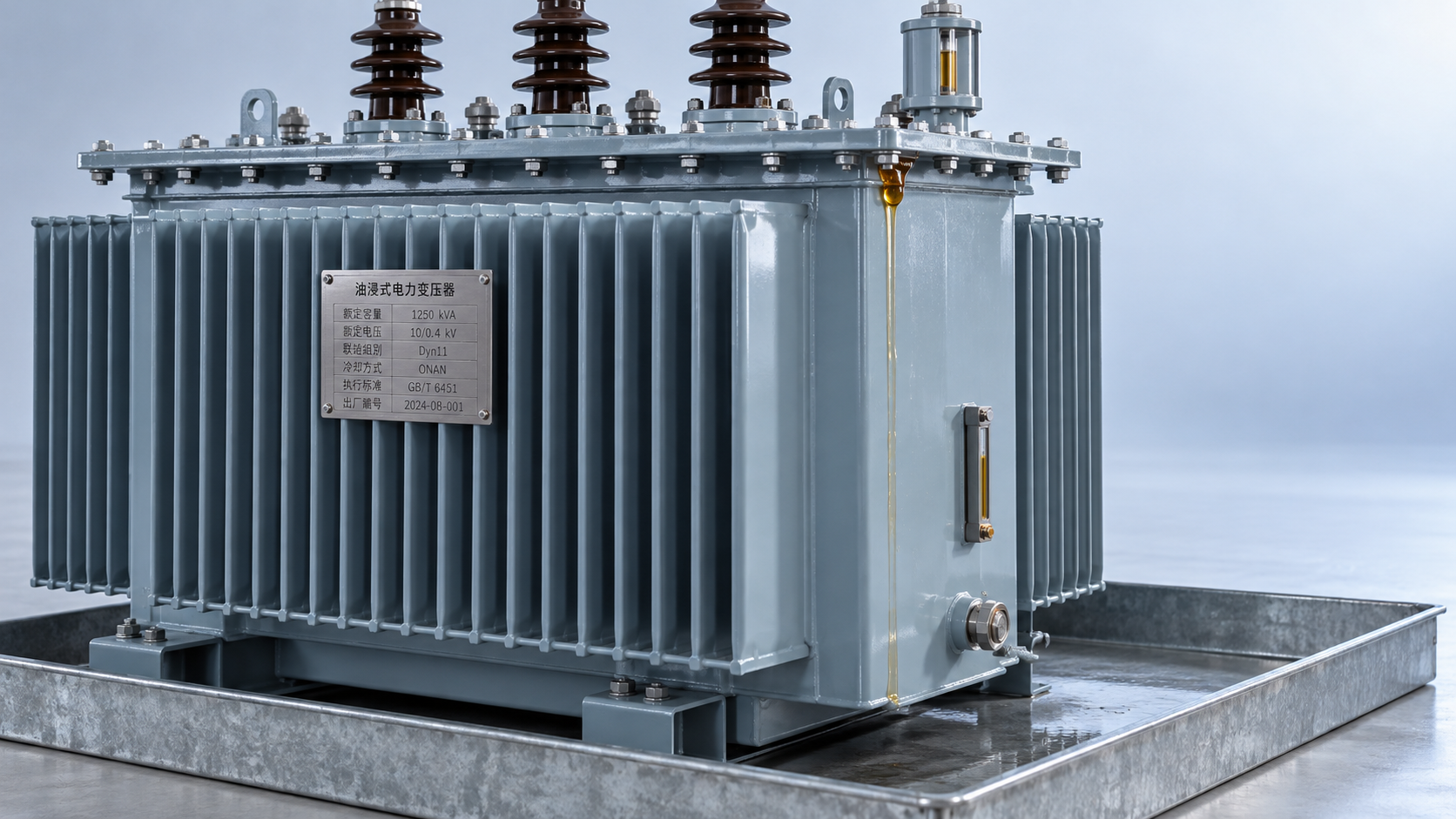
 Distribution transformer maintenance tips for spotting oil leaks
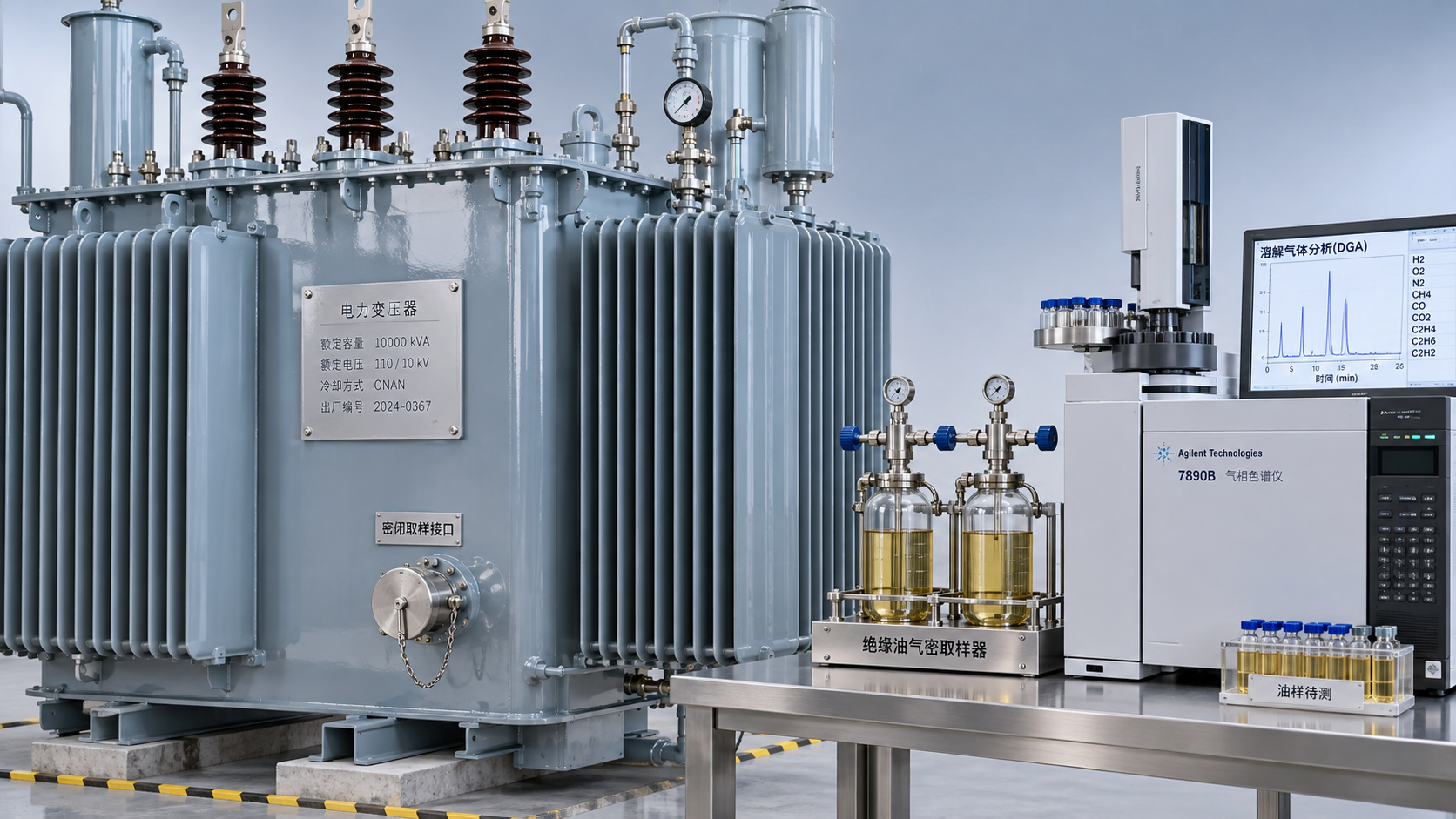
 What dissolved gas analysis reveals about an oil-immersed transformer
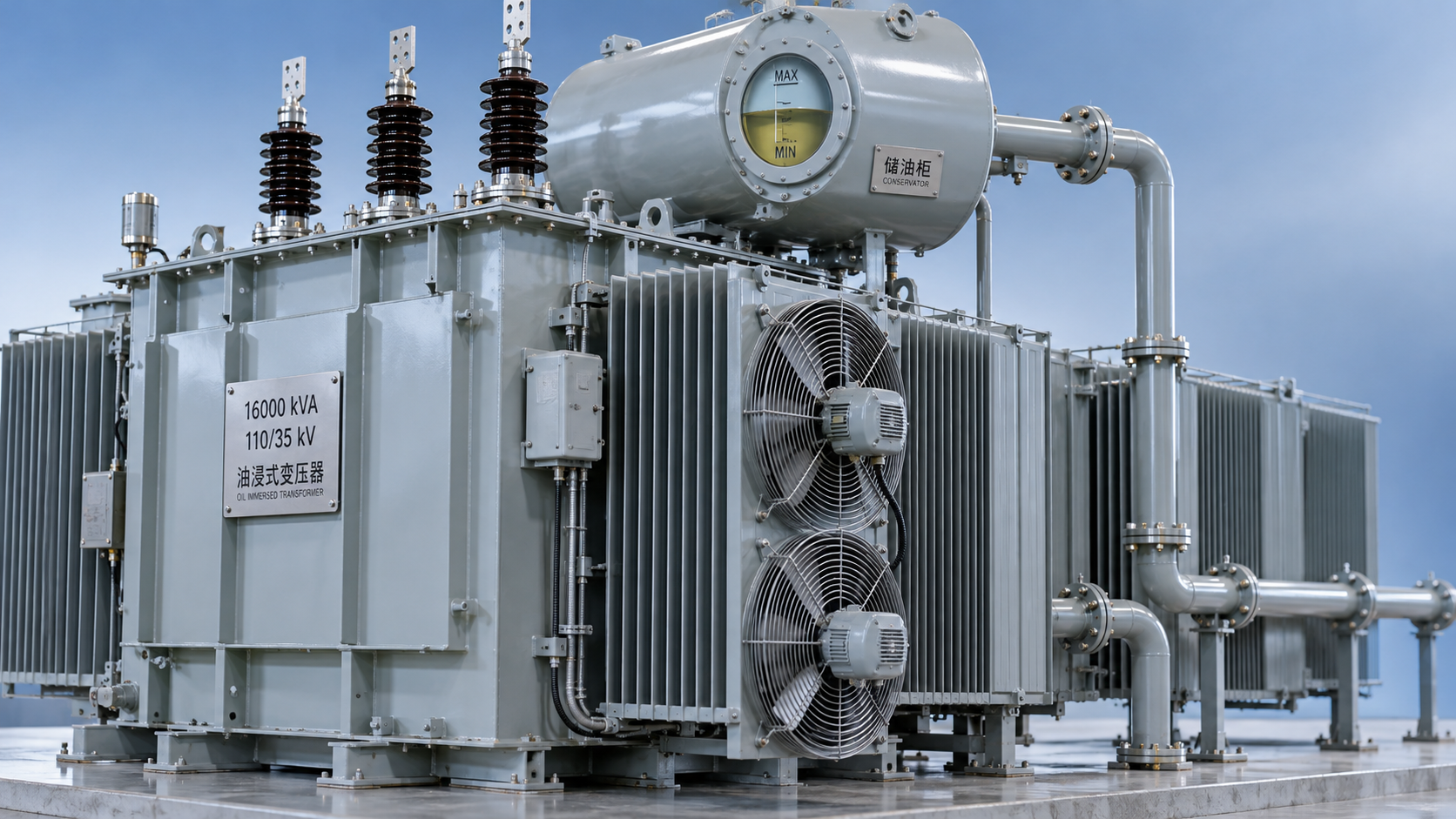
 Why an oil-cooled transformer overheats despite a normal oil level
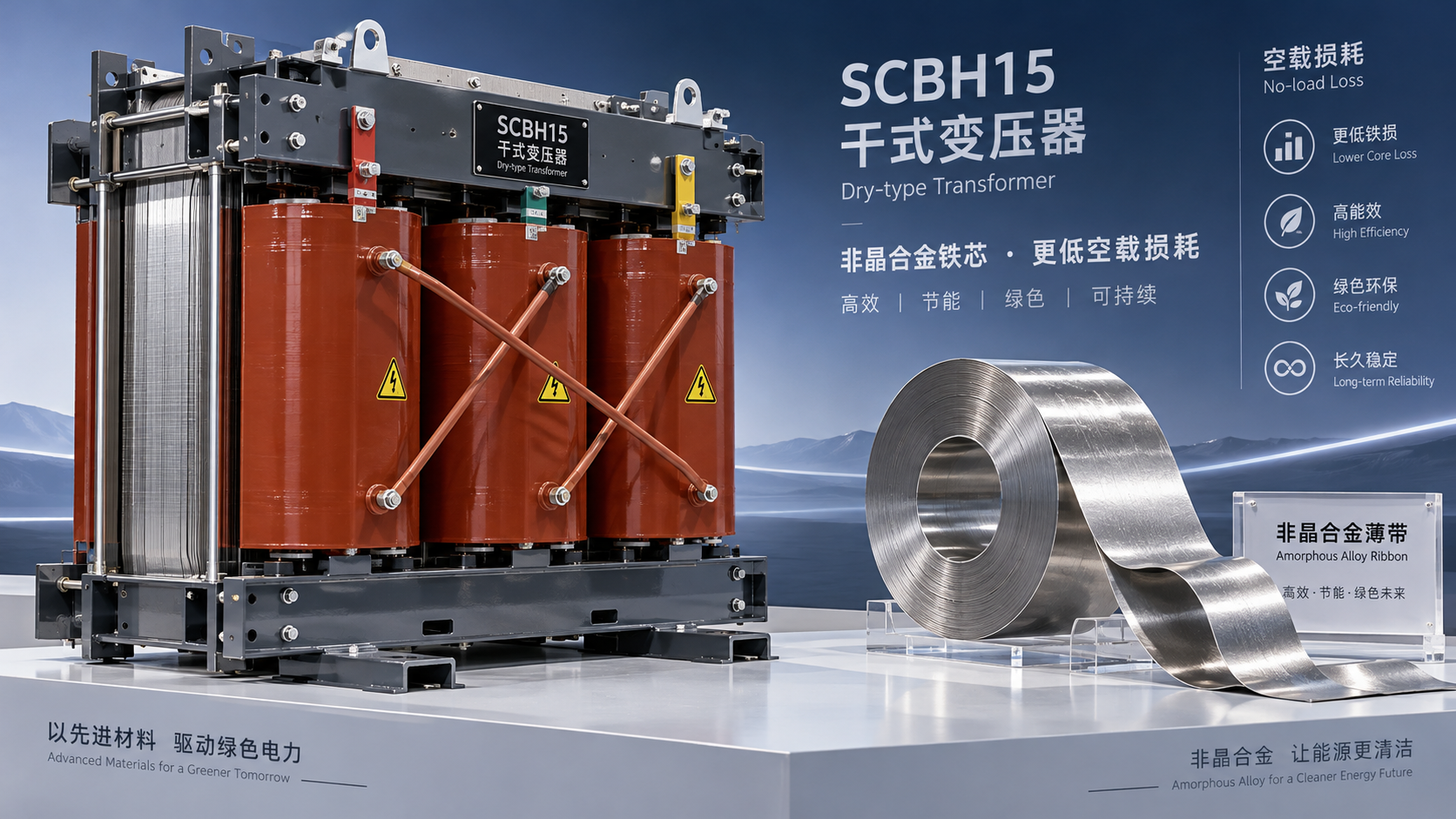
 How the amorphous core affects SCBH15 dry-type transformer losses
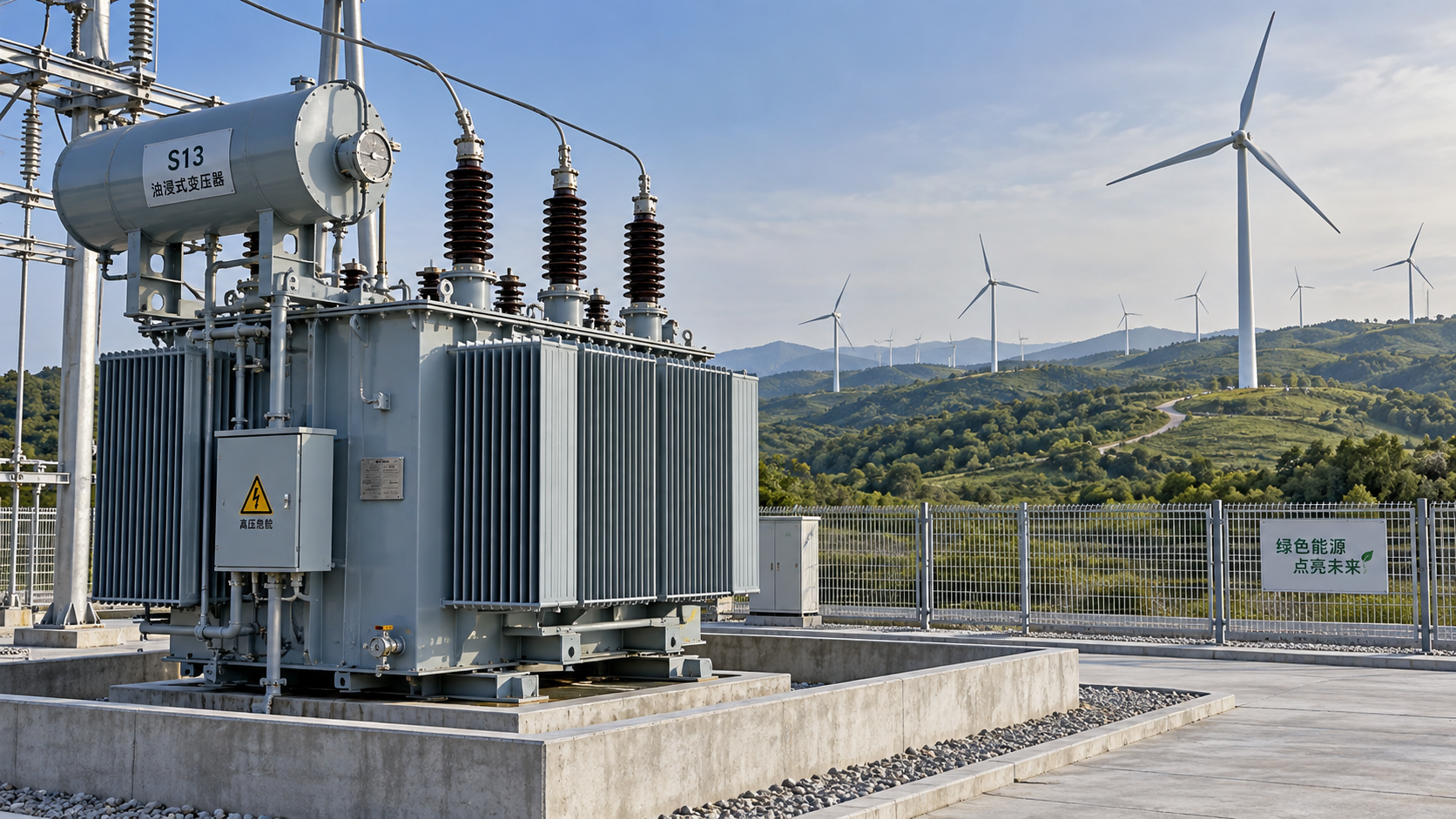
 Sizing S13 oil-immersed transformers for variable wind farm output
GET A FREE QUOTE
We offer reliable products, competitive prices, and nationwide professional support, committed to providing customers with efficient and energy-saving power equipment solutions.