


Why early warning signs matter in every transformer for electrical machine setting
Unexpected heat, unusual noise, insulation odor, or unstable voltage can reveal hidden faults inside a transformer for electrical machine systems.
Early detection reduces downtime, protects connected equipment, and supports safe, stable operation in demanding power environments.
Jiangsu Shengda Power Equipment Co., Ltd. focuses on transformer research, production, and quality control under strict international standards.
This maintenance guide explains how warning signs change by application scene, and what inspection actions should follow.
How operating scenes change maintenance priorities
A transformer for electrical machine in a factory faces different stress than one in a residential or commercial distribution point.
Load swings, ambient temperature, dust, humidity, and switching frequency all affect fault development speed.
Because of these differences, maintenance staff should judge symptoms within the actual operating scene, not as isolated events.
- Industrial loads often create thermal stress and harmonic distortion.
- Commercial loads usually demand voltage stability and low noise.
- Outdoor sites raise risks from moisture, dust, and temperature variation.
- Temporary sites may suffer from overload, poor ventilation, or rough installation.
Scene 1: Industrial parks with heavy equipment and frequent load changes
In industrial parks, a transformer for electrical machine often serves motors, pumps, compressors, and production lines.
The first warning sign is abnormal temperature rise during peak production periods.
If casing temperature climbs quickly, check overload, cooling airflow, terminal tightness, and winding insulation condition.
Unusual humming may also increase under harmonic-rich loads. That can indicate core looseness, magnetic imbalance, or structural vibration.
When voltage dips appear during motor starting, inspect tap settings, cable connections, and actual capacity margin.
Scene 2: Commercial centers and high-rise buildings where stability is critical
Commercial centers and tall buildings depend on uninterrupted power for lighting, elevators, HVAC systems, and safety equipment.
Here, even minor voltage fluctuation from a transformer for electrical machine can trigger sensitive system alarms.
Maintenance teams should watch for repeated breaker trips, odor near ventilation outlets, and irregular noise during daily load transitions.
A burning insulation smell often means localized overheating, dust accumulation, or insulation aging that needs immediate shutdown review.
For compact distribution layouts, integrated solutions such as ZGS Combined Substation can simplify power distribution and maintenance access.
Scene 3: Outdoor and temporary sites exposed to harsh conditions
Outdoor substations and temporary construction sites create a very different maintenance environment.
Moisture ingress, dust, poor foundation stability, and direct sunlight can accelerate deterioration in a transformer for electrical machine installation.
Warning signs include condensation marks, corrosion on terminals, oil leakage, and repeated temperature alarms after weather changes.
Inspect seals, cable entries, grounding continuity, and enclosure ventilation first.
Where space is limited, the ZGS model supports indoor or outdoor use, with compact structure and flexible wiring for terminal or ring network systems.
Key warning signs and how they differ by scene
Practical maintenance suggestions for scene-based inspection
- Record temperature, voltage, current, and sound trends by operating period.
- Compare readings between normal load and peak load conditions.
- Use smell, vibration, and thermal checks together, not separately.
- Inspect insulation surfaces for dust, moisture, and discharge marks.
- Verify tap changer response and terminal tightness during scheduled shutdowns.
- Review whether installed capacity still matches actual demand growth.
If expansion is planned, compact substations rated 63~1600kVA at 6~10kV and 50Hz can support efficient distribution upgrades.
Common misjudgments that delay repairs
One common mistake is treating occasional noise as normal without checking whether the sound pattern has changed.
Another is focusing only on electrical data while ignoring odor, vibration, or environmental contamination.
Some teams also overlook short-term overloads at temporary sites because average load appears acceptable.
For any transformer for electrical machine, small repeated anomalies often matter more than a single dramatic event.
Next steps for safer transformer operation
A reliable transformer for electrical machine needs scene-based inspection, timely maintenance, and equipment matched to real operating demands.
By recognizing heat, noise, odor, and voltage changes early, maintenance work becomes faster and more accurate.
Jiangsu Shengda Power Equipment Co., Ltd. provides transformer products backed by technical strength, quality inspection, and ISO9001-certified management.
For projects needing compact, safe, and flexible distribution design, review the application fit of the available integrated substation solution before faults escalate.



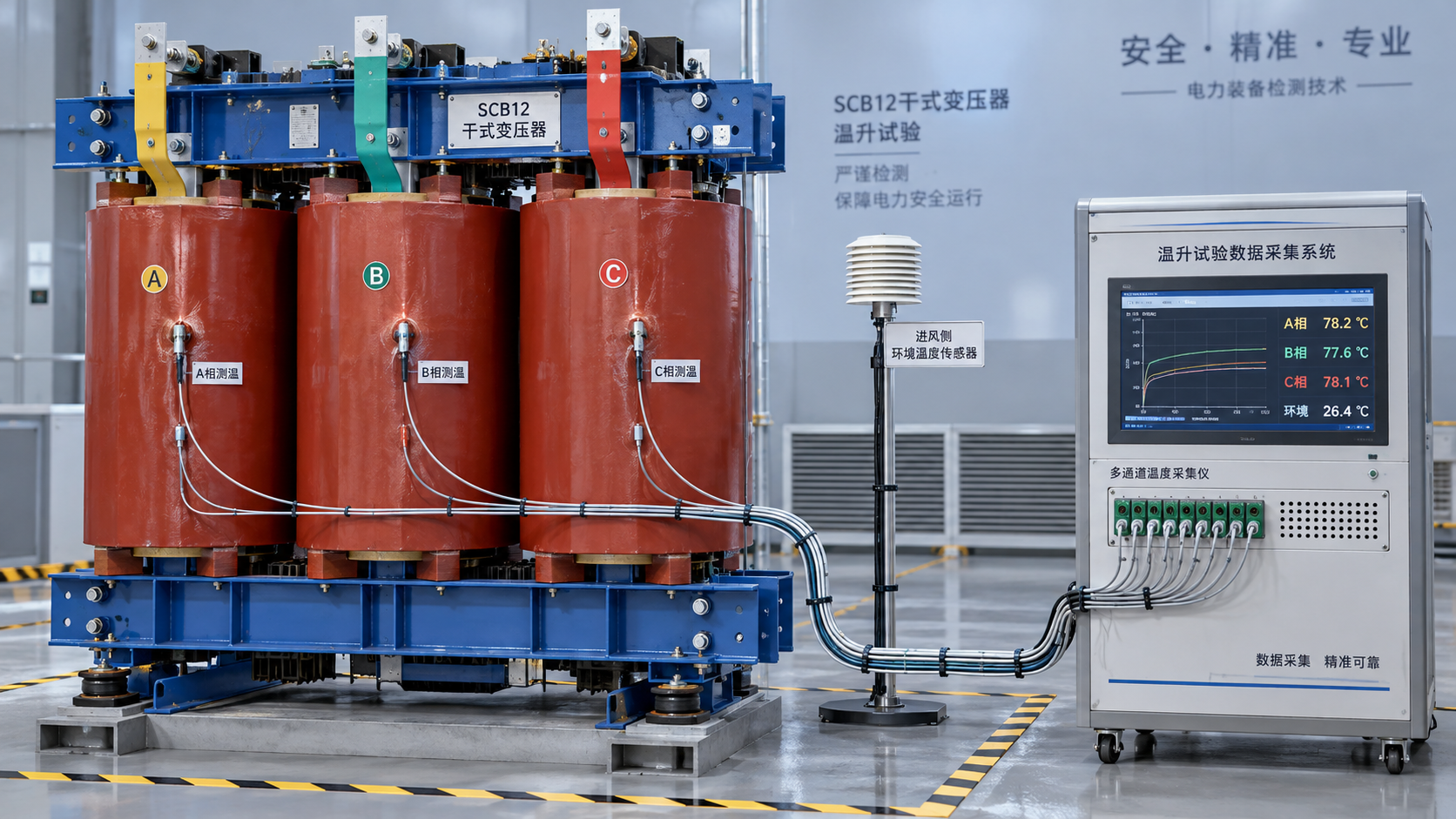
 How to verify the temperature-rise test of an SCB12 dry-type transformer
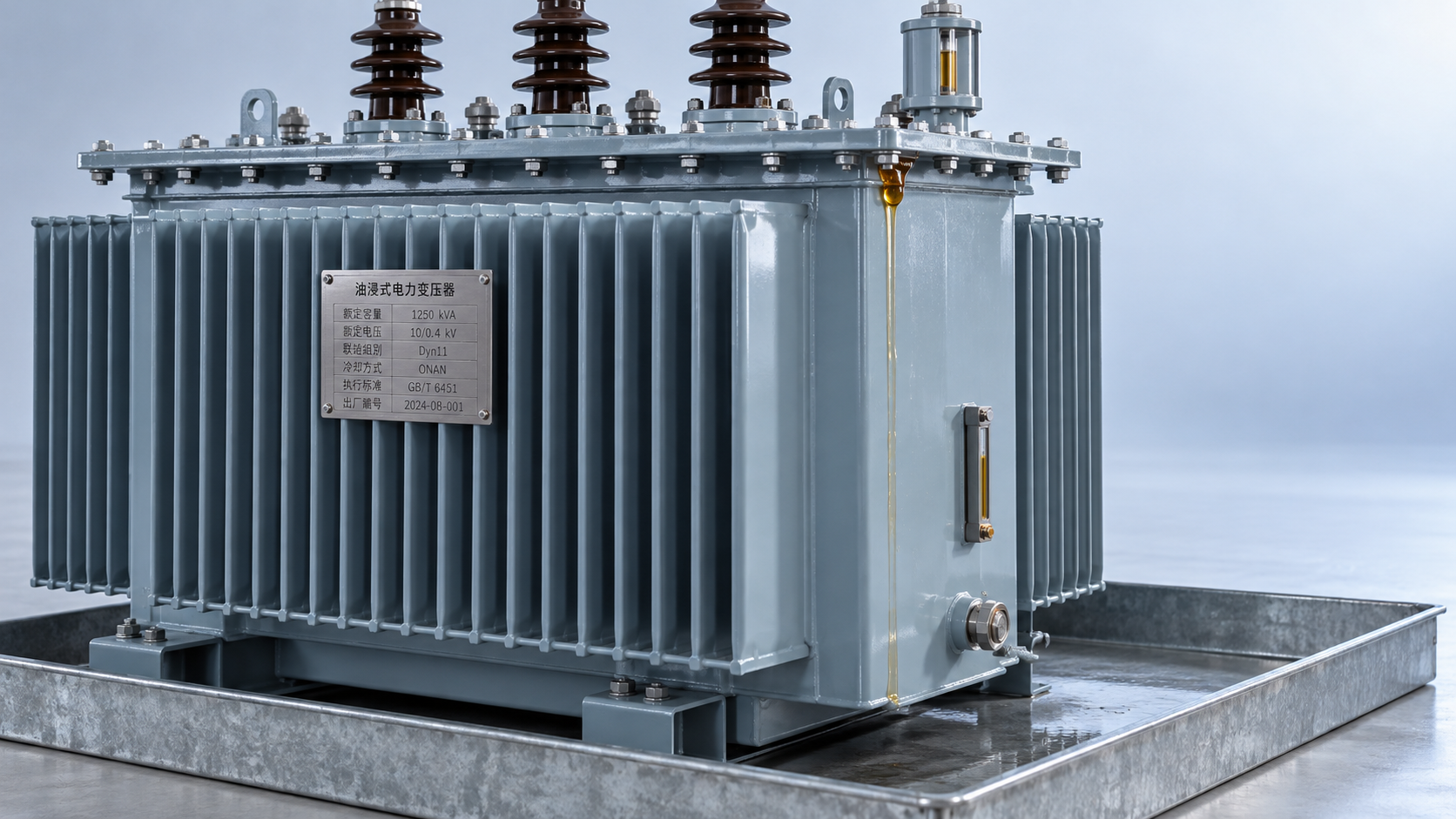
 Distribution transformer maintenance tips for spotting oil leaks
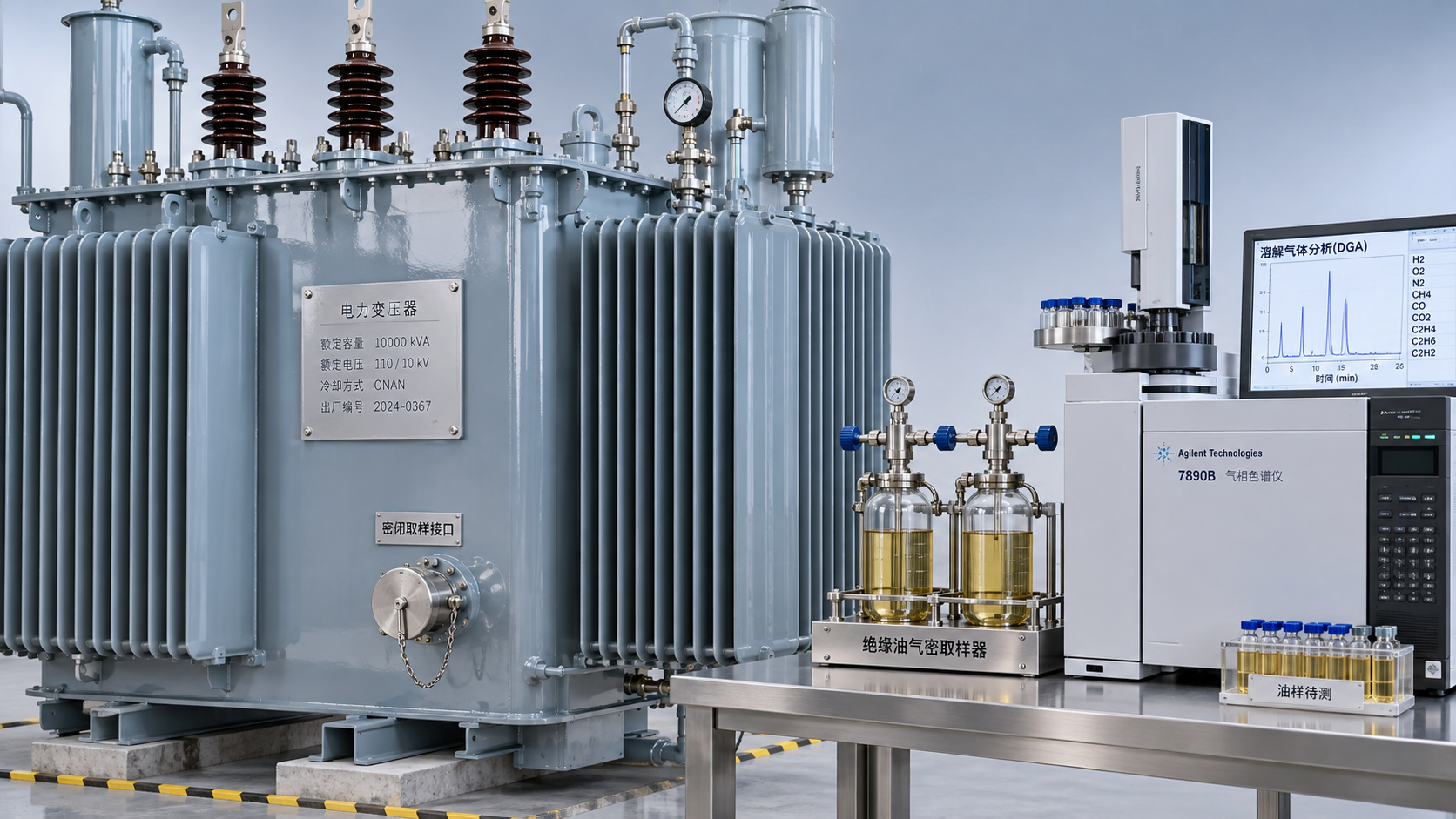
 What dissolved gas analysis reveals about an oil-immersed transformer
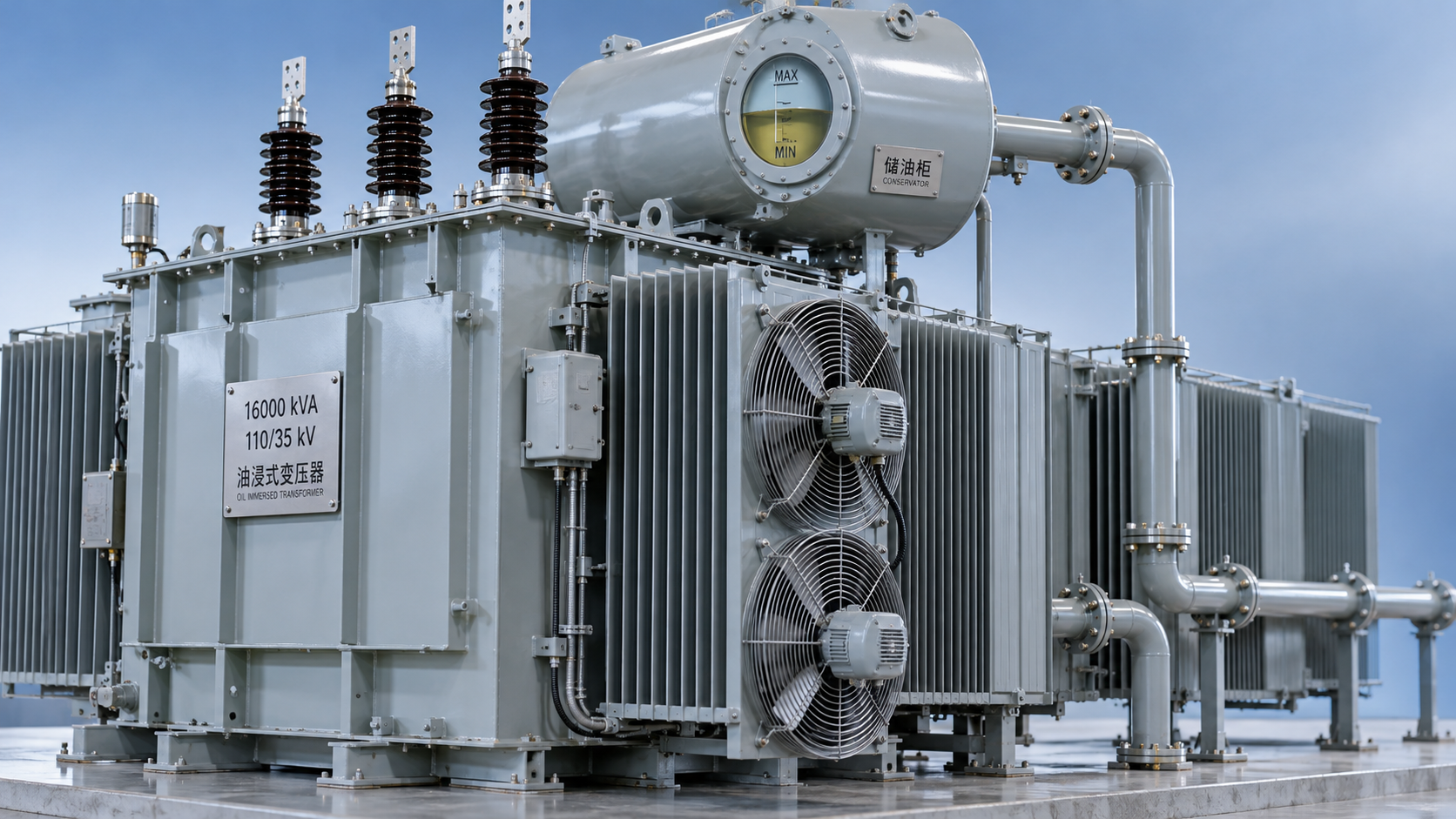
 Why an oil-cooled transformer overheats despite a normal oil level
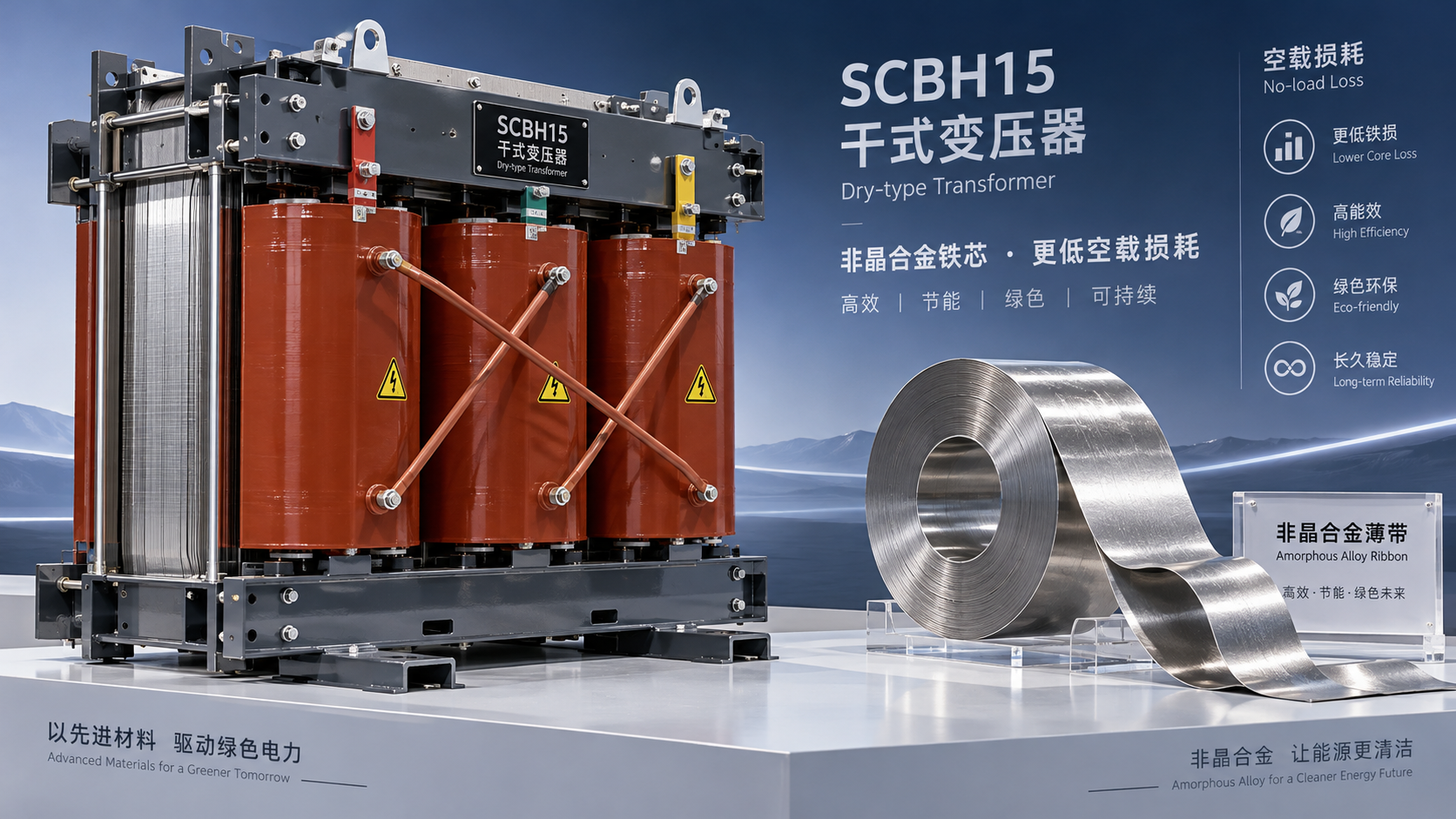
 How the amorphous core affects SCBH15 dry-type transformer losses
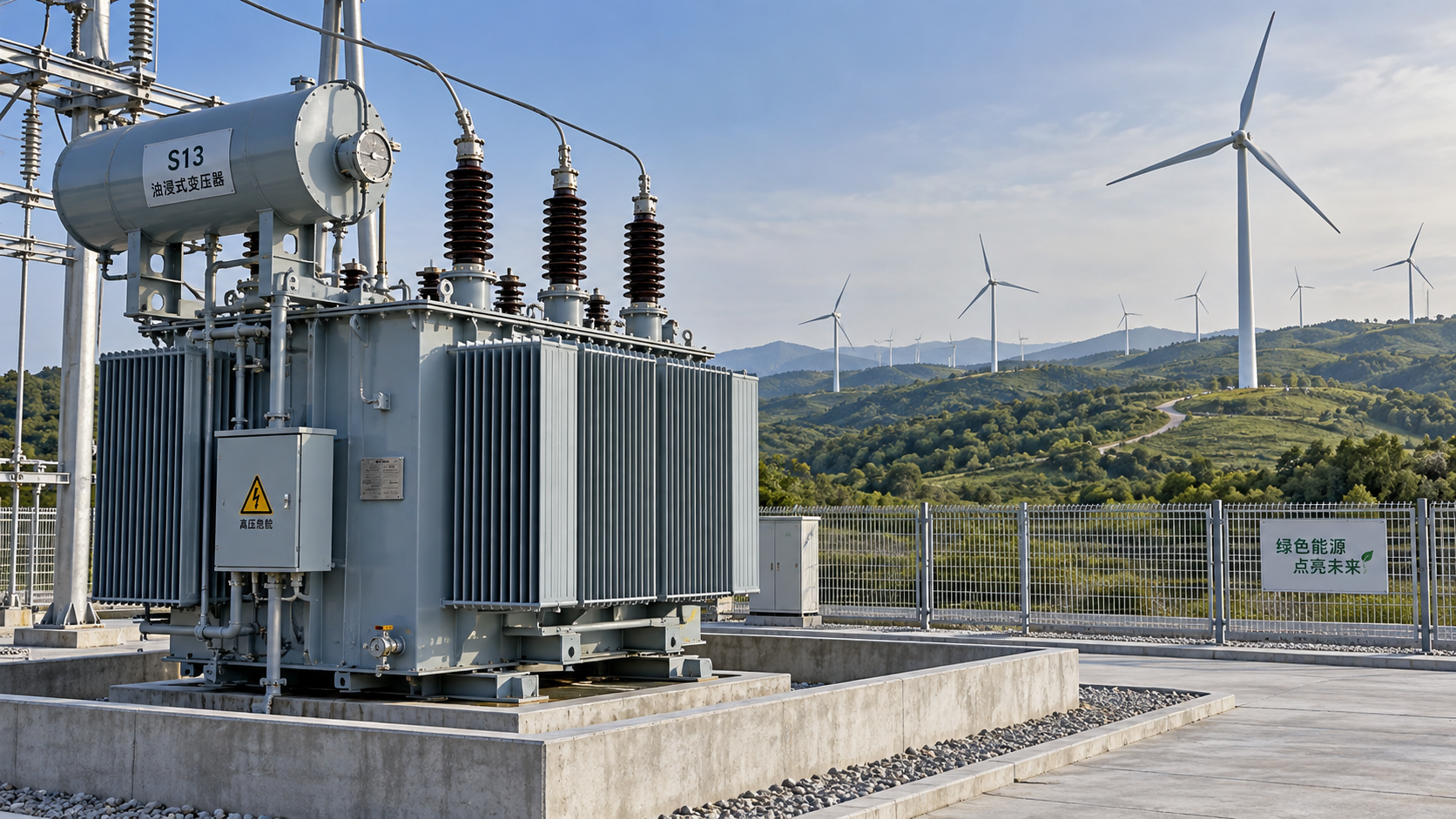
 Sizing S13 oil-immersed transformers for variable wind farm output
GET A FREE QUOTE
We offer reliable products, competitive prices, and nationwide professional support, committed to providing customers with efficient and energy-saving power equipment solutions.