


Oil Cooled Transformer vs Dry-Type: Which Fits Harsh Industrial Loads Better?
When harsh industrial loads are involved, the question is rarely which transformer is better in the abstract. The real issue is which design stays stable when load profiles are ugly, ambient conditions are unfriendly, and downtime is expensive. That is where the comparison between an oil cooled transformer and a dry-type transformer becomes practical rather than theoretical.
Many evaluation teams begin with a simplified assumption: oil units are for heavy industry, dry-type units are for buildings. That rule of thumb is not useless, but it is too crude for serious selection work. In metallurgical plants, petrochemical sites, ports, mining auxiliaries, and process industries with frequent load fluctuation, the decision depends on thermal behavior, overload tolerance, contamination risk, fire strategy, installation location, and maintenance discipline. A transformer that looks conservative on paper can become the weaker option once the real duty cycle is mapped.
What “harsh industrial loads” actually mean
In transformer selection, harsh load does not just mean high kVA. It often means repeated motor starting, impact load, cyclic overload, harmonic distortion from drives or rectifiers, poor ventilation around the installation point, dust, moisture, corrosive atmosphere, or a site where temperature swings sharply across seasons. A unit may run acceptably at rated load in a clean test environment and still struggle in service if heat cannot be removed or insulation is stressed by repeated peaks.
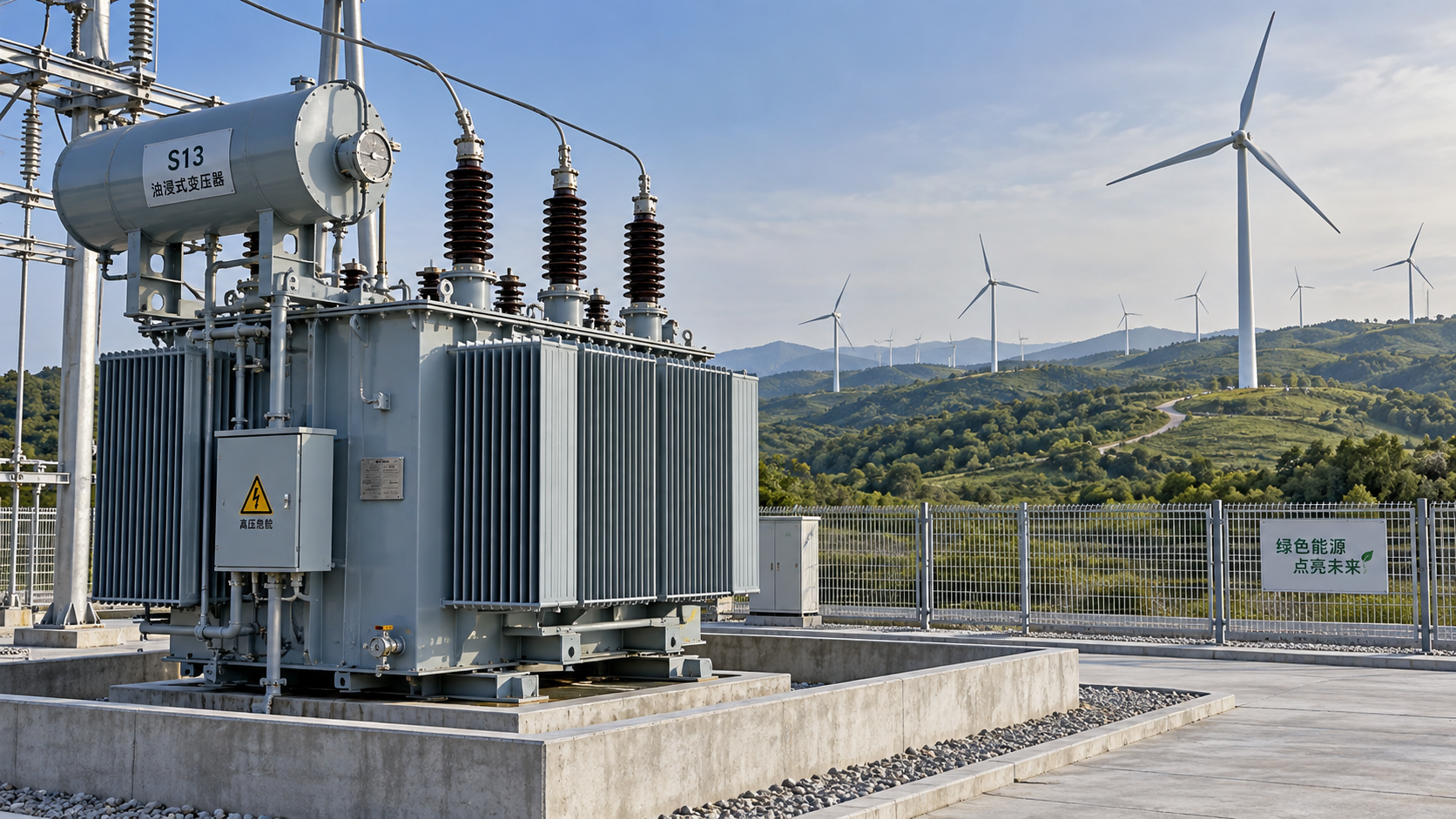
That is why thermal management sits at the center of this comparison. An oil cooled transformer uses insulating oil both as dielectric medium and as a heat transfer path. In practical terms, this allows heat generated in the windings and core to move outward more efficiently than in many air-cooled configurations. Under heavy or fluctuating industrial loading, that advantage often translates into lower hotspot temperature, stronger overload resilience, and slower insulation aging, assuming the unit is correctly designed and maintained.
Dry-type transformers work differently. Heat is dissipated mainly through air and the solid insulation system. Their strength is not the same kind of thermal reserve seen in liquid-filled designs, but rather a combination of indoor safety, reduced fire spread risk, and simpler environmental handling where oil containment is undesirable. In other words, the choice is not about old versus new technology. It is about how each insulation and cooling system behaves under a specific operating burden.
Where oil cooled units usually hold the advantage
If the site has sustained heavy load, frequent overload events, or sharp thermal cycling, the oil cooled transformer often has a clear engineering advantage. Better heat dissipation supports higher continuous utilization and, in many cases, gives more margin during abnormal conditions. That matters in plants where the load does not fail gracefully. A rolling mill auxiliary system, a large pumping station, or a process line with repetitive starts and stops can push winding temperature upward fast. Once heat accumulates, theoretical efficiency becomes less important than the transformer’s ability to keep internal temperature under control.
Oil-filled designs also remain common in outdoor substations, utility interfaces, and industrial yards because they adapt well to higher capacities and voltage classes. Jiangsu Shengda Power Equipment Co., Ltd. manufactures low-loss power transformers across S11, S13, S15, S20, and S22 series, including 10kV and 35kV models, with products built under quality systems aligned with ISO9001 and standards such as GB1094.1-2-1996 and GB/T6451-2008. Those standards matter because in industrial evaluation, reliability claims without manufacturing discipline and test control are not worth much.
Another point that is often overlooked: oil cooled designs can be more forgiving when harmonics and overload coincide. Harmonics increase losses, especially stray and eddy current losses, and those losses show up as heat. If the installation includes converters, VFD-heavy motor groups, or non-linear process equipment, the thermal headroom of the transformer deserves more attention than nameplate capacity alone.
Why dry-type is still the right answer in some harsh environments
A harsh environment is not always a thermal problem. Sometimes it is a safety and siting problem. If the transformer must be installed inside a high-rise industrial facility, near dense human occupancy, below grade, inside a tunnel-related structure, or close to processes where fire containment rules are strict, dry-type can be the more appropriate choice even when the load is demanding. The absence of oil changes the risk profile of the installation, especially where leakage control, fire separation, and indoor air management drive the project requirements.
That is one reason non-encapsulated and cast-resin dry-type transformers remain widely used in airports, railway stations, subways, hospitals, shopping centers, docks, and some industrial facilities. In certain process environments, especially where there is concern about fire propagation or oil containment, a well-designed dry-type unit is easier to justify to the civil, safety, and operations teams than a liquid-filled transformer, even if the oil design is thermally stronger.
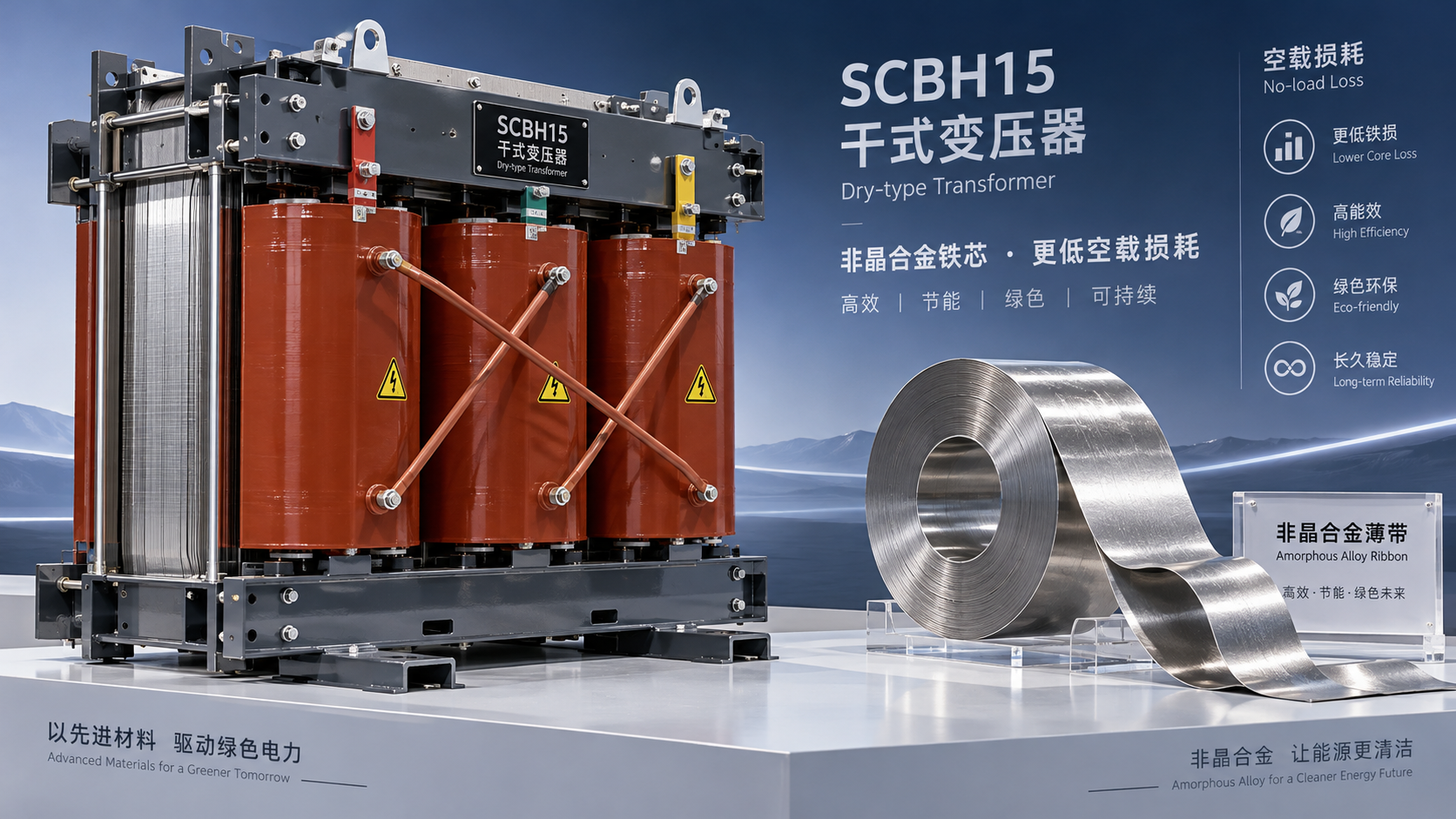
The dry-type category itself should not be treated as uniform. For example, an Non-Encapsulated Dry-Type Transformer built with vacuum impregnation, continuous high-voltage winding, foil-wound low-voltage winding, and high-strength ceramic supports is not aimed at the same duty profile as a basic indoor distribution transformer. Some models in this segment are designed for polluted and humid environments near lakes, seas, and rivers, use H-class insulation rated at 180℃, and are specified with notable short-term overload capability. That does not erase the general thermal advantage of oil cooling, but it does narrow the gap in applications where environmental resilience and indoor safety matter more than maximum cooling efficiency.
The mistake of comparing only by efficiency or purchase price
Selection discussions often drift toward no-load loss, load loss, or purchase budget too early. Those are necessary inputs, but they do not settle the question. A cheaper unit that forces derating, larger ventilation infrastructure, stricter housekeeping, or frequent thermal alarms may be more expensive over its service life. The same goes for an energy-efficient transformer that is mismatched to the site’s overload pattern.
For harsh industrial loads, the more useful evaluation path is to ask:
- Is the transformer expected to run near rated capacity for long periods, or does it see short but repeated peaks?
- Is the installation indoors, outdoors, below grade, or embedded in an occupied building?
- How severe are dust, humidity, salt fog, corrosive gas, and maintenance access constraints?
- What is the fire protection philosophy of the site?
- Will harmonics, motor starts, or sudden load transfer create extra thermal stress?
- Can the operator support oil inspection, sealing checks, and condition-based maintenance?
Those questions usually separate a technically sound choice from a nominal one. An oil cooled transformer tends to win when thermal endurance and capacity margin dominate. A dry-type transformer tends to win when installation safety, environmental containment, and indoor deployment constraints dominate.
Common misunderstandings that distort the decision
One misunderstanding is that dry-type automatically means maintenance-free. In practice, dry-type units still depend on clean cooling paths, controlled ventilation, and periodic inspection. Dust accumulation, blocked airflow, or local contamination can reduce cooling effectiveness and insulation reliability. They are simpler in some respects, but not exempt from maintenance discipline.
Another is that oil cooled transformers are unsuitable wherever safety matters. That is too broad. With proper enclosure, fire separation, oil containment, and compliance with project requirements, oil-filled units remain standard in many demanding installations. The issue is not whether they are inherently unacceptable, but whether the site can accommodate the protective measures they require.
There is also a tendency to assume dry-type cannot handle harsh industry at all. That is no longer accurate. Some advanced dry-type designs are built specifically for heavy-load areas and difficult climates, including petrochemical plants and power stations. The key is to review actual design details: insulation class, partial discharge behavior, overload rating, winding structure, and environmental suitability. A generic dry-type unit and a high-spec industrial dry-type unit should not be judged as if they were the same product.
A practical way to decide
If the project priority is maximum tolerance for heavy, irregular, and thermally stressful loads, the oil cooled transformer usually remains the stronger candidate. That is especially true for outdoor industrial substations, higher-capacity distribution nodes, and sites where overload reserve matters more than indoor siting convenience.
If the project priority is safe indoor installation, strict fire behavior, simplified containment, and acceptable performance under demanding but controlled load conditions, dry-type often makes more sense. This is where higher-end solutions, including the Non-Encapsulated Dry-Type Transformer, deserve attention rather than being screened out by category alone.
For evaluation teams, the most reliable conclusion usually comes from matching the transformer to the load curve and installation boundary at the same time. Nameplate ratings, standards compliance, insulation system, overload capability, and the realities of the site all have to agree. When those factors are weighed together, the answer becomes clearer: oil cooled is often better for pure load severity, while dry-type can be better for harsh environments defined by safety, occupancy, or indoor restrictions. The better fit is the one whose limitations are least likely to become operational problems five years after commissioning.



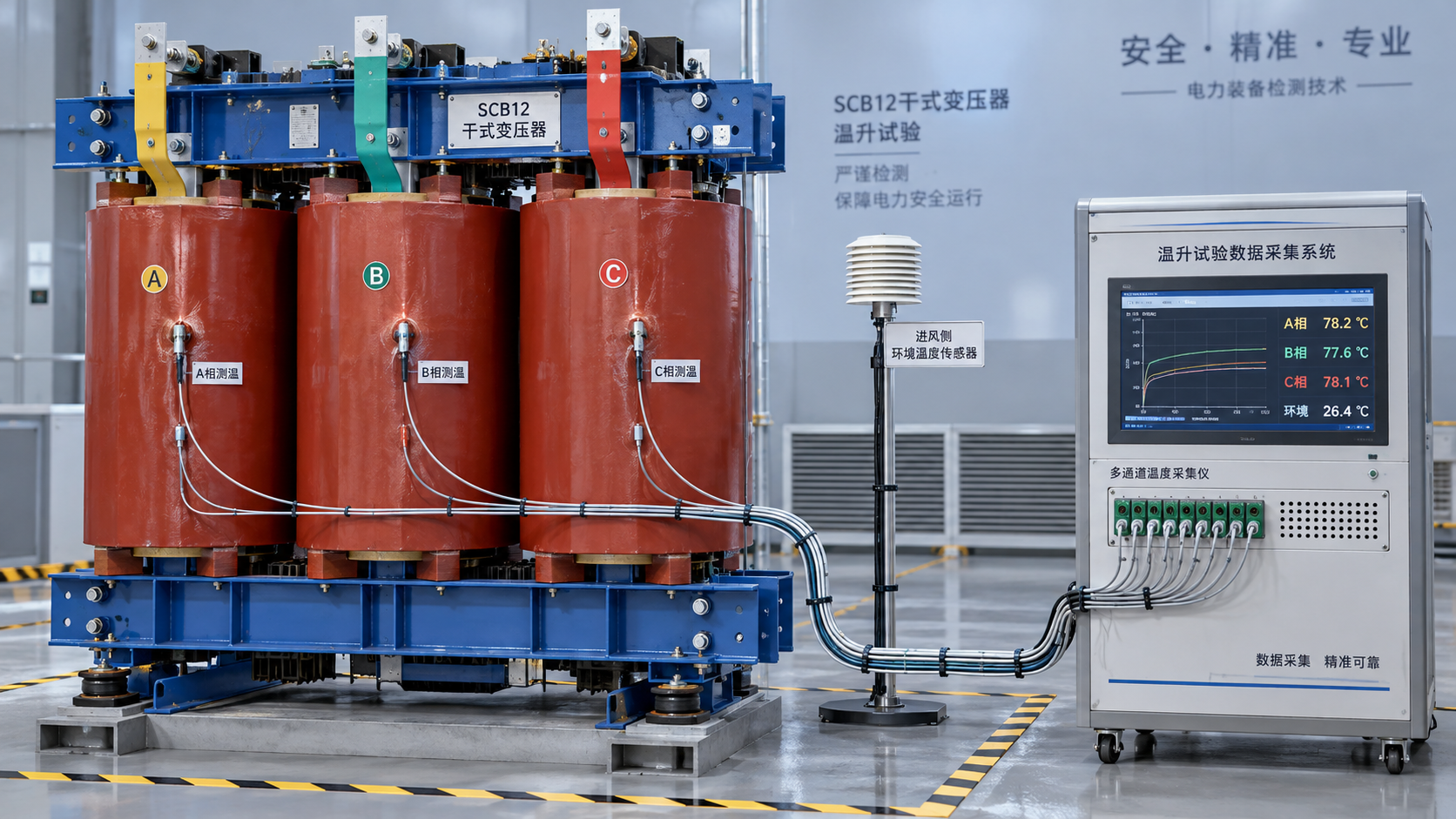
 How to verify the temperature-rise test of an SCB12 dry-type transformer
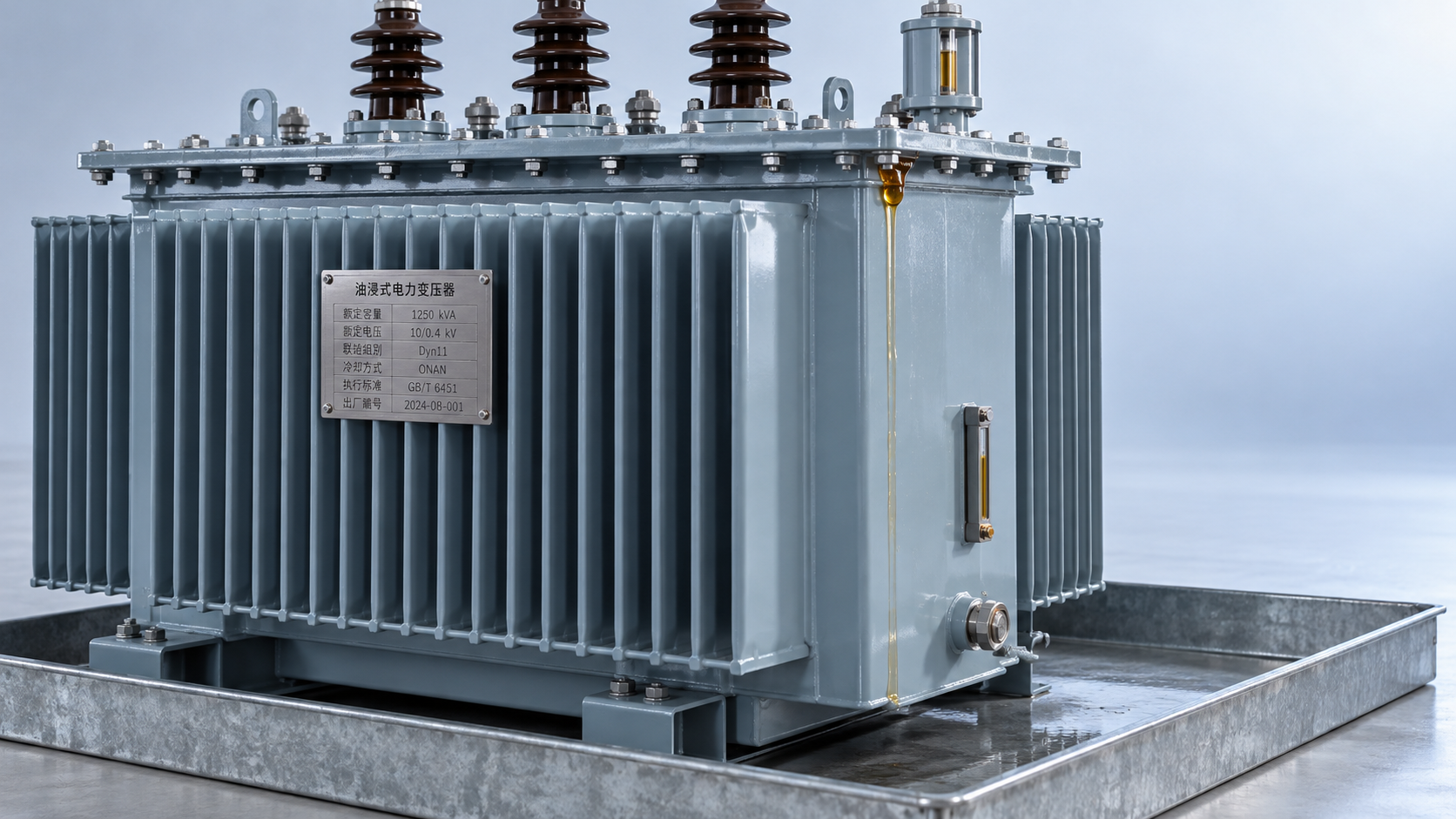
 Distribution transformer maintenance tips for spotting oil leaks
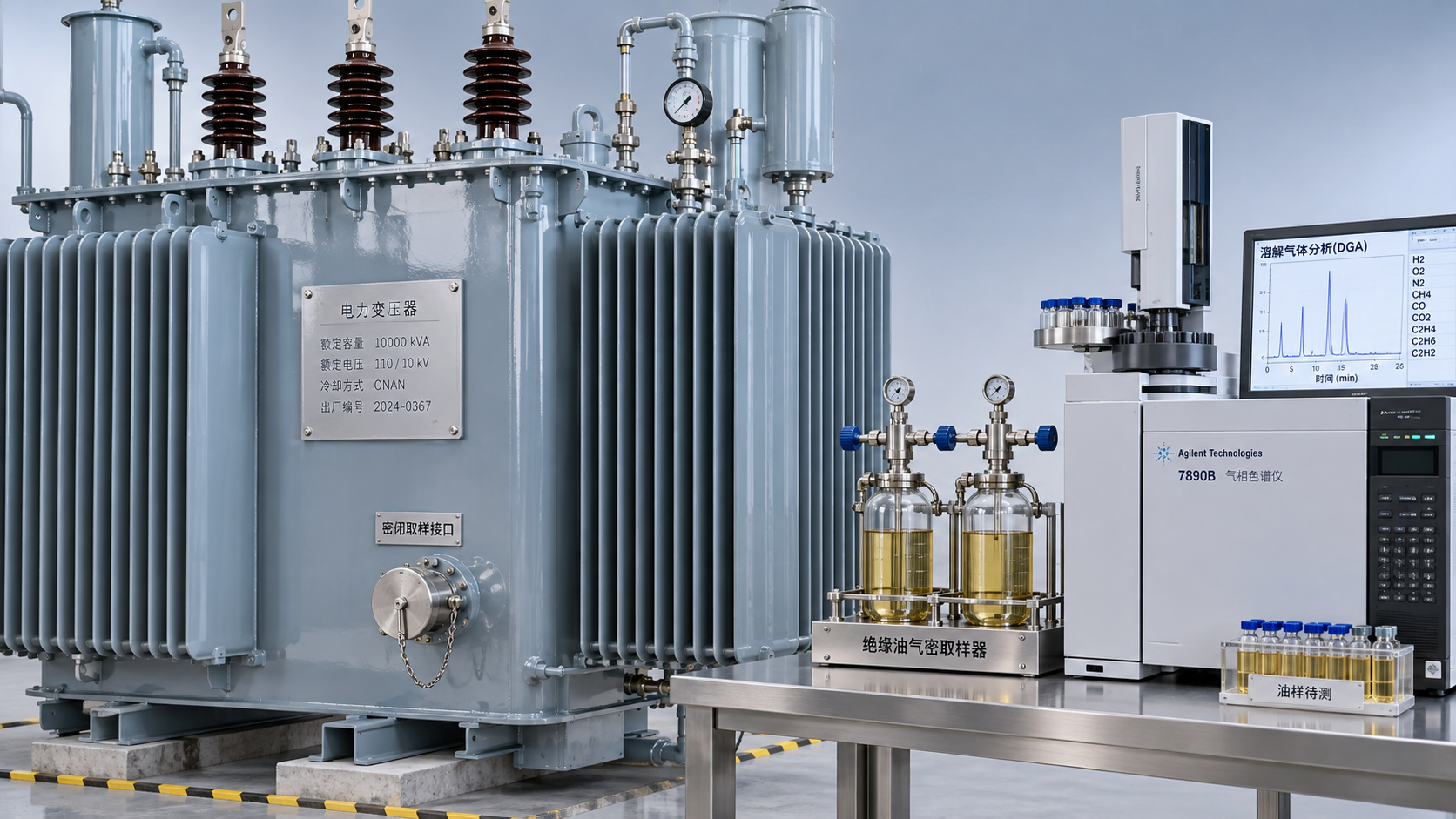
 What dissolved gas analysis reveals about an oil-immersed transformer
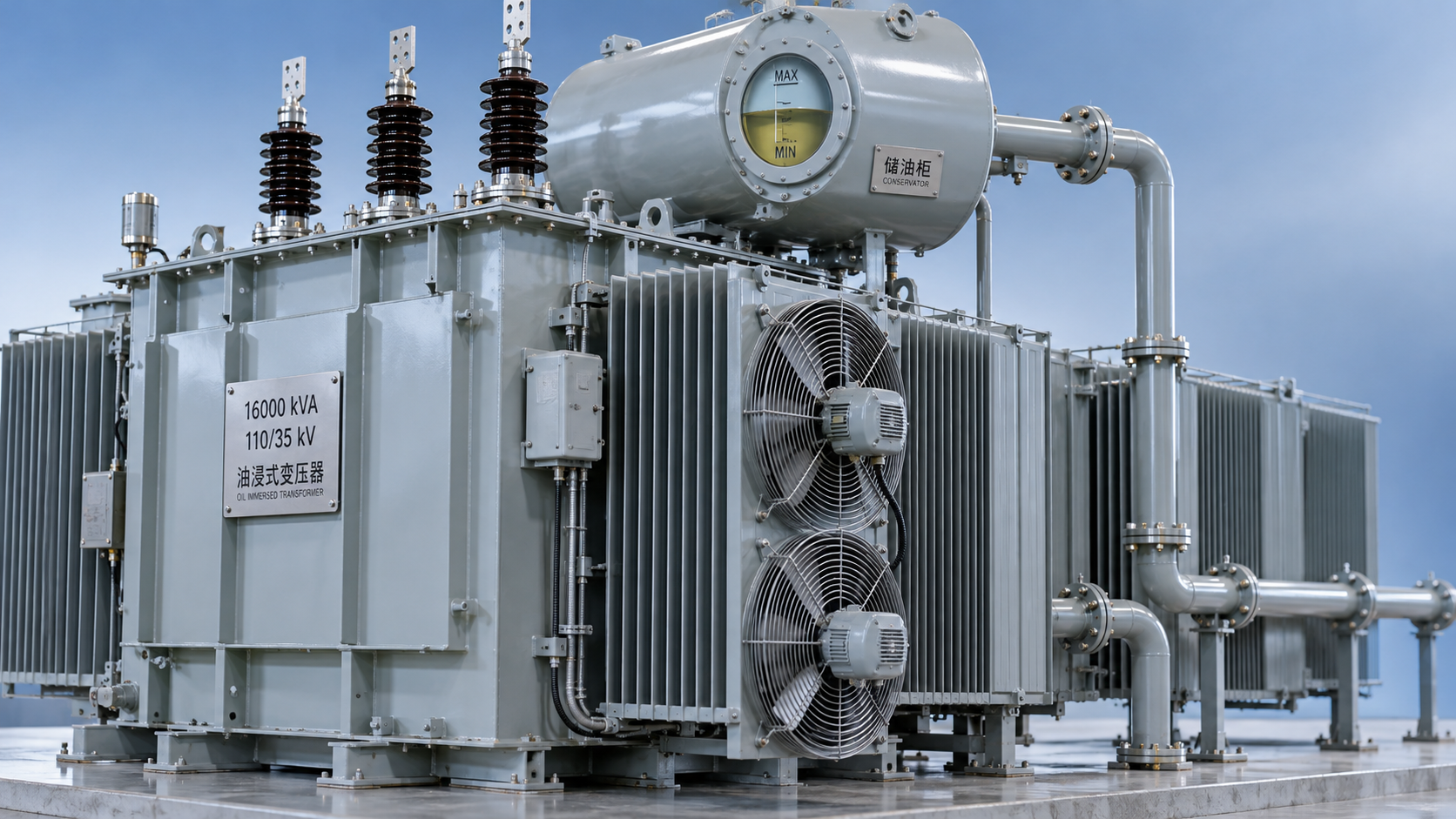
 Why an oil-cooled transformer overheats despite a normal oil level
 How the amorphous core affects SCBH15 dry-type transformer losses
 Sizing S13 oil-immersed transformers for variable wind farm output
GET A FREE QUOTE
We offer reliable products, competitive prices, and nationwide professional support, committed to providing customers with efficient and energy-saving power equipment solutions.