


Why S13 Oil-Immersed Transformers Are Becoming the Default Choice for Solar Farm Substations—Not Because They’re “New,” But Because Core Loss Cuts Hit LCOE Where It Matters
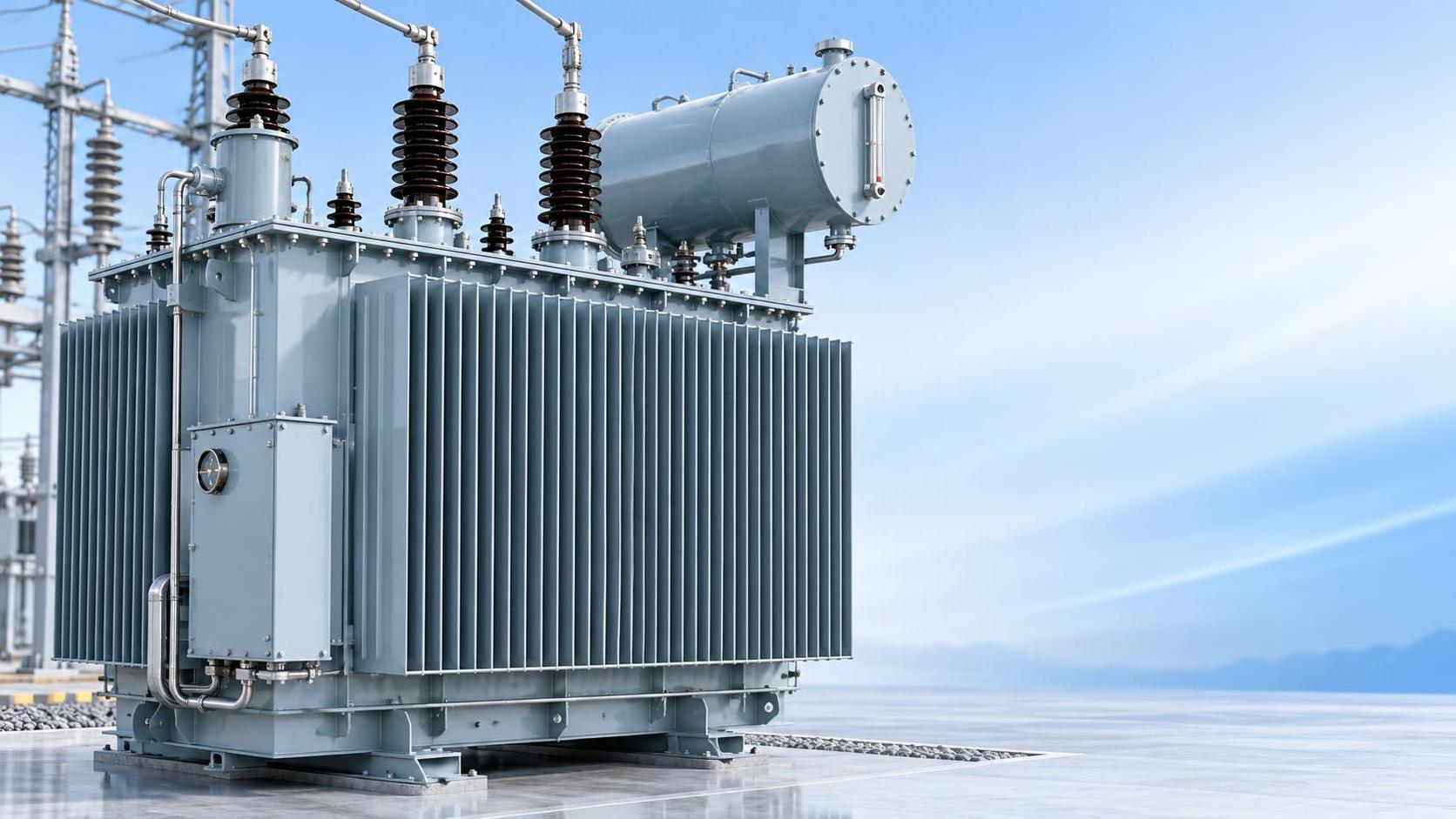
If you’re sizing a 10 kV or 35 kV substation for a utility-scale solar farm—and your finance team is scrutinizing every dollar of OPEX over 25 years—you’re not evaluating transformers as components. You’re evaluating them as long-term energy arbitrage instruments. The S13 oil-immersed transformer isn’t winning contracts because it’s “advanced” or “eco-friendly.” It’s gaining traction where it counts: in the line item that links no-load loss directly to Levelized Cost of Energy (LCOE).
Here’s the operative fact: In a solar farm, the transformer operates near no-load for up to 16–18 hours per day—especially during dawn, dusk, and cloudy periods. Load profiles are highly intermittent; peak output lasts only 4–6 hours. That means core loss—the energy dissipated as heat in the magnetic core when voltage is applied, even with zero current—isn’t a minor inefficiency. It’s the dominant source of annual energy waste in the substation. And unlike load loss (which scales with generation), core loss is incurred continuously, 24/7, year after year.
S13-series designs reduce that loss by 20–25% compared to legacy S9 units—not through incremental material tweaks, but via structural optimization: thinner, high-permeability cold-rolled grain-oriented silicon steel (CRGO), tighter core clamping to minimize air gaps, and stepped-lap joint geometry that cuts flux leakage and localized saturation. These aren’t theoretical gains. Under GB/T6451-2008 compliance, verified test reports show consistent no-load losses below 0.28 kW for a typical 2,500 kVA / 35 kV unit—versus 0.37 kW for an equivalent S9. Over 25 years, that difference translates to ~180 MWh saved per unit. At $0.03/kWh avoided O&M cost (a conservative estimate for grid-connected solar), that’s $5,400—before factoring in reduced cooling load, lower thermal stress on insulation, and extended bushing life.
When “Low-Loss” Isn’t Enough: Three Real-World Conditions That Determine Whether S13 Delivers Its Promise
Not all solar farms benefit equally from S13-level optimization. Three conditions dictate whether the investment pays off—or becomes stranded efficiency:
- Substation duty cycle: If your site uses dynamic reactive power control (e.g., STATCOM-integrated substations) or hosts battery co-location with frequent cycling, load loss dominates. Here, S13’s core-loss advantage shrinks relative to total losses—and you’d gain more from low-load-loss designs like amorphous alloy or S15/S20 variants. But for pure PV-only, fixed-tap substations—still >70% of deployed utility-scale projects—S13 hits the sweet spot of cost-to-benefit ratio.
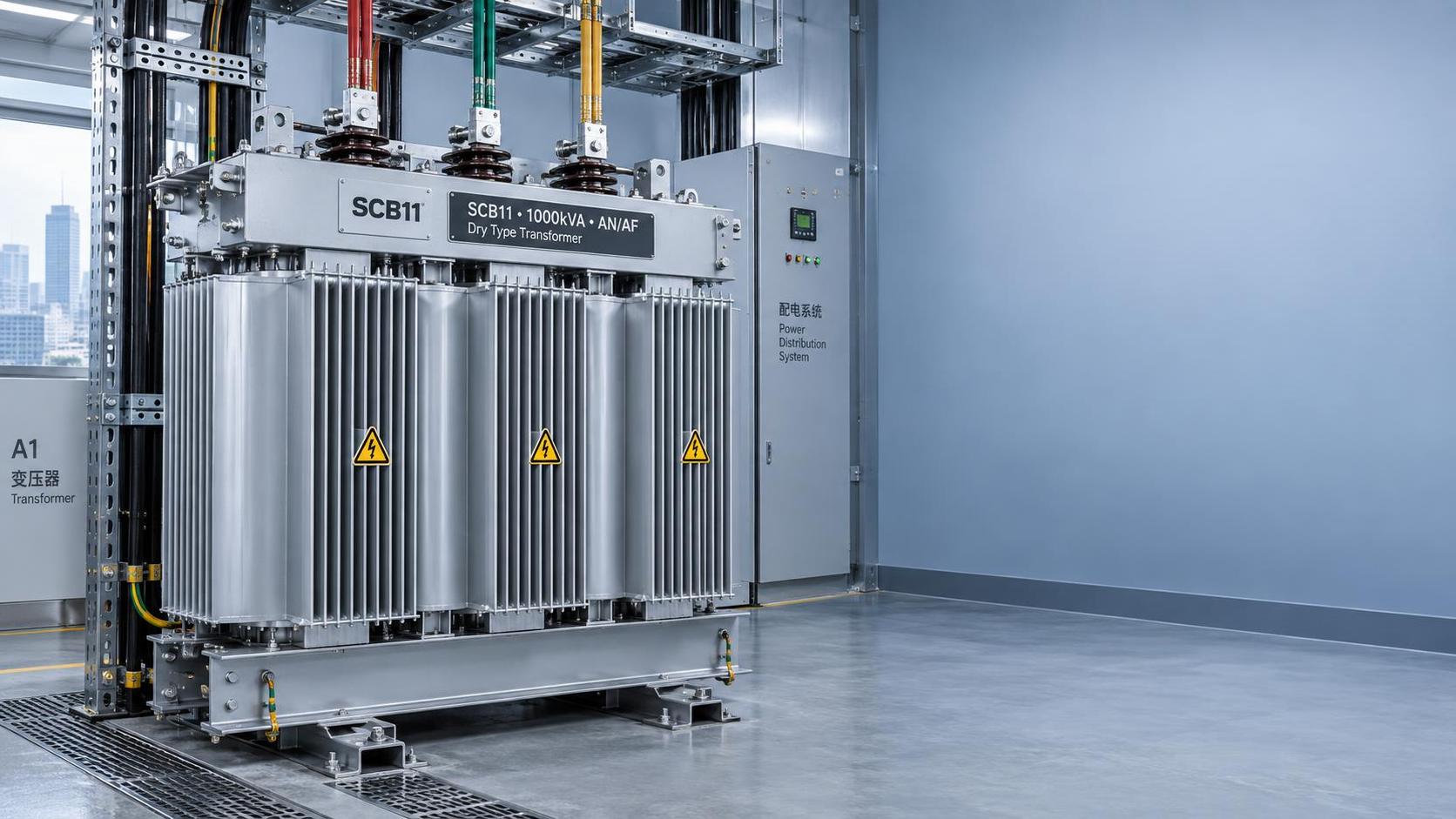
- Ambient environment: Oil-immersed units demand robust sealing, moisture control, and breathers—especially in coastal, high-humidity, or dust-heavy sites. S13 units compliant with GB/T6451-2008 include upgraded gasket systems and nitrogen-sealed conservators. Still, if your site sits within 5 km of seawater or experiences >85% average RH, consider whether dry-type alternatives offer better lifecycle reliability—even at higher initial cost. For example, the Non-Encapsulated Dry-Type Transformer—with H-class insulation, vacuum-impregnated windings, and proven performance in marine-adjacent environments—eliminates oil maintenance entirely while maintaining no-load loss levels that exceed domestic standards.
- Grid interconnection requirements: Many regional grid codes now mandate harmonic mitigation, short-circuit withstand, and partial discharge limits below 5 pC. S13 oil-immersed units meet these—but only when paired with properly specified bushings, tap changers, and grounding. A common oversight: specifying S13 core efficiency while retaining outdated OLTCs or paper-oil insulation systems that degrade faster under solar’s DC-offset-rich fault currents. The transformer isn’t the bottleneck; the system integration is.
What “Compliance” Really Means in Practice—And Why ISO9001 Alone Doesn’t Guarantee Performance Consistency
GB/T6451-2008 sets minimum loss limits—but doesn’t govern how tightly those limits are held across production batches. Two S13 units rated identically can diverge by ±8% in no-load loss depending on core annealing consistency, winding tension control, and oil degassing protocols. That variance matters: an 8% loss increase erodes nearly half the LCOE benefit projected in the feasibility study.
This is where manufacturing discipline—not just certification—becomes decisive. High-reliability S13 procurement hinges less on spec sheets than on verifiable process controls: automated core stacking with real-time gap monitoring, vacuum-pressure impregnation of windings before tank assembly, and batch-level loss verification under IEC 60076-1 test conditions (not just factory acceptance tests). Firms with ISO9001 certification *and* documented traceability back to CRGO coil lot numbers, annealing furnace logs, and individual unit test reports deliver predictable loss performance. Those without? You’re buying a statistical average—not a guaranteed value.
The Quiet Trade-Off No One Talks About: Efficiency vs. Flexibility
S13’s optimized core improves efficiency—but reduces design headroom for future load growth or grid support functions. Its magnetic circuit is tuned for minimal excitation current at nominal voltage. That makes it less tolerant of sustained overvoltage events, harmonic-rich waveforms, or rapid load swings without derating. If your solar farm plans to add BESS within five years—or if the local grid operator requires reactive power injection across wide voltage bands—S13 may require parallel operation or early replacement.
In those cases, the decision shifts from “lowest LCOE today” to “lowest total ownership cost over planned asset life.” That’s where hybrid approaches gain ground: using S13 for primary step-down (where core loss dominates), paired with a compact, high-flexibility dry-type unit—like the Non-Encapsulated Dry-Type Transformer—for auxiliary loads, SCADA power, or future BESS interconnection. Its unencased coil design, foil-wound LV winding, and ceramic support structure allow immediate full loading across ±50°C ambient—critical for desert or high-latitude deployments where thermal transients are severe.
Ultimately, the S13 oil-immersed transformer isn’t a universal upgrade—it’s a precision tool for a specific operational reality: high-utilization, low-load-cycle, long-horizon solar substations where every watt-hour of no-load loss compounds over decades. Choosing it isn’t about chasing specs. It’s about aligning magnetic design with actual dispatch patterns—and recognizing that the most impactful efficiency gains aren’t always visible on the nameplate.


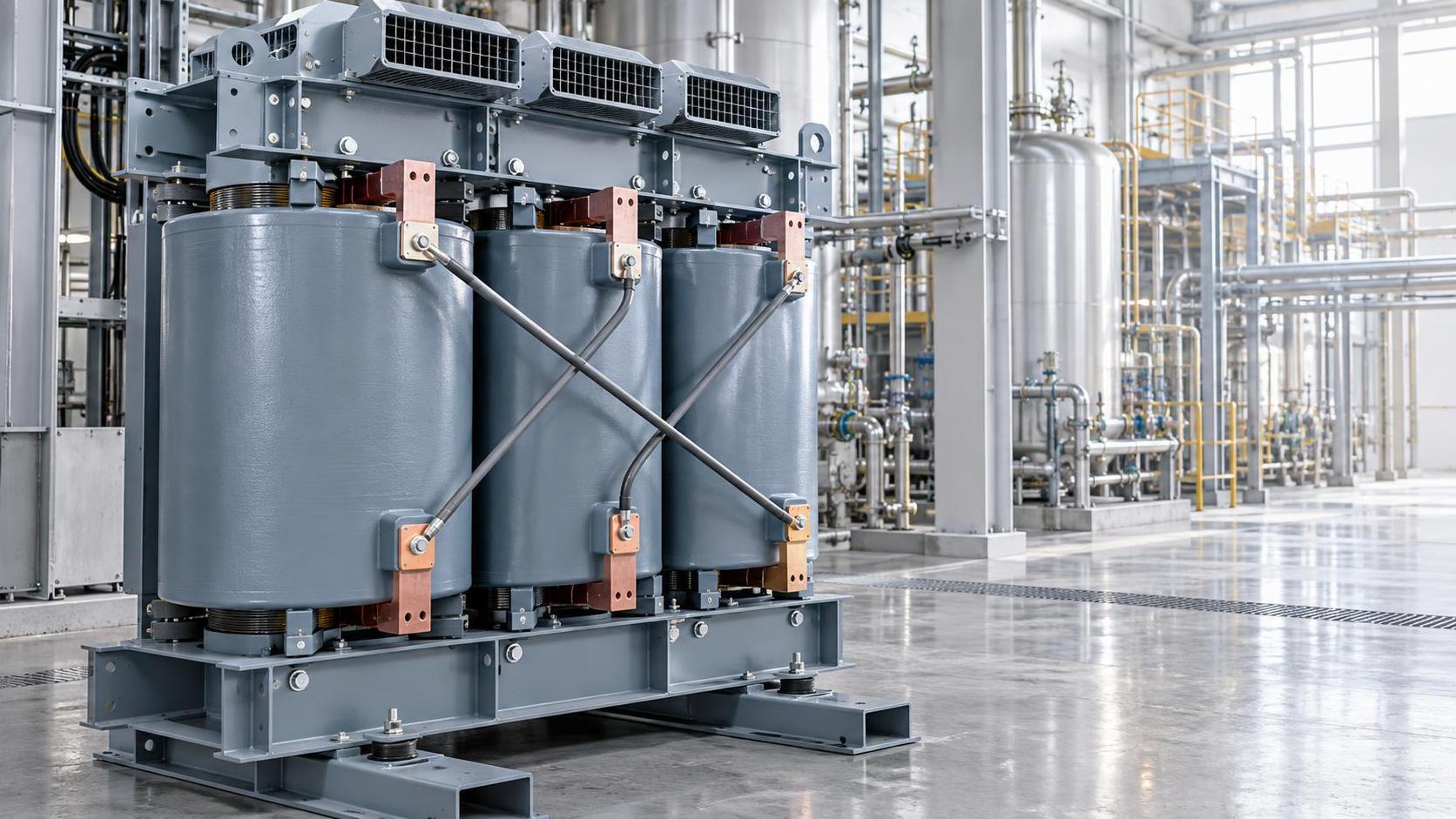
 Dry-Type Transformer Advantages for Hazardous Areas: Why IEEE C57.12.06 Arc Resistance & VPI Process Matter in Chemical Plants
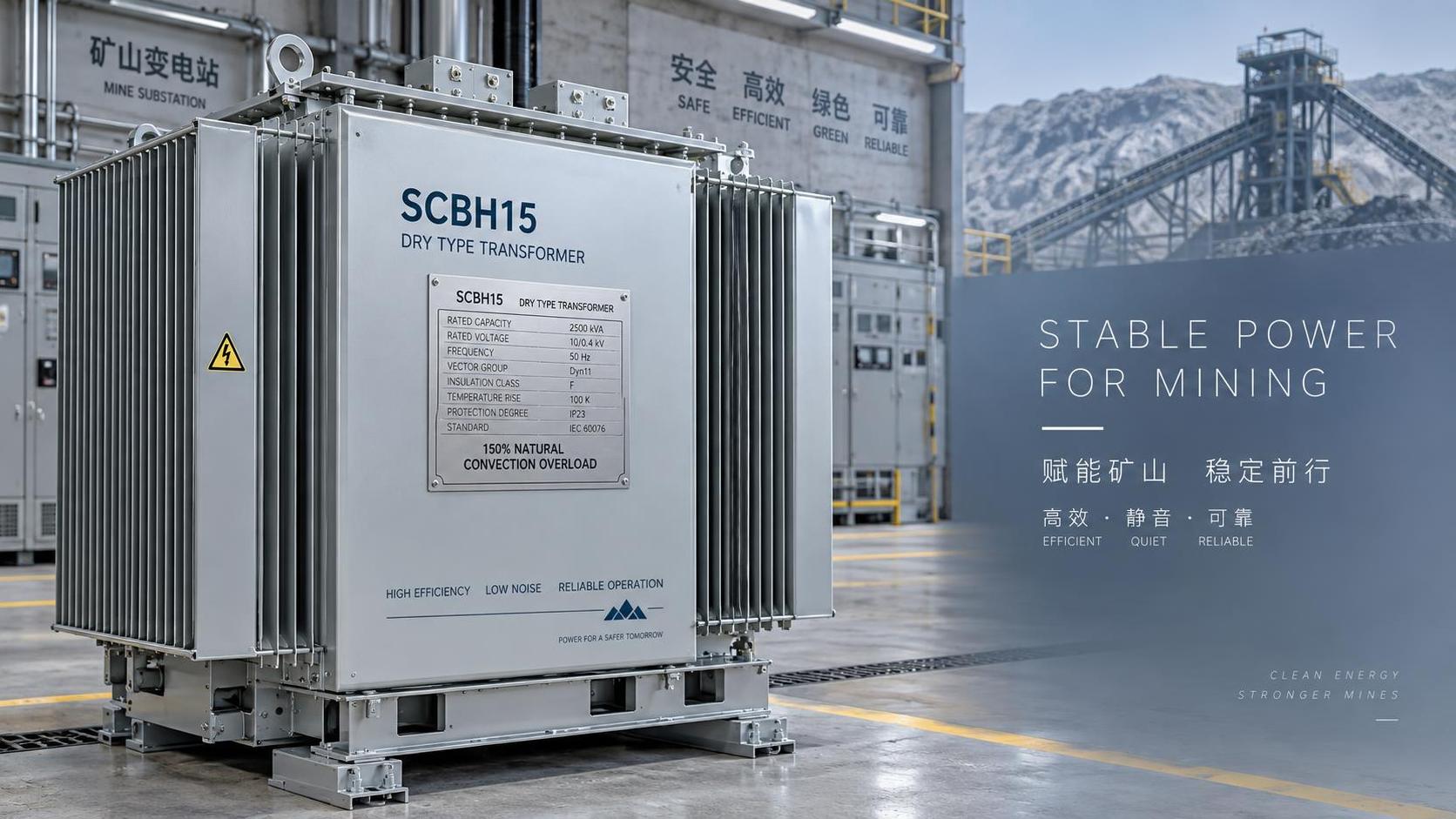
 Air-Cooled Transformer vs Forced-Oil-Cooled: When Natural Convection Meets Thermal Load Peaks in Mining Substations
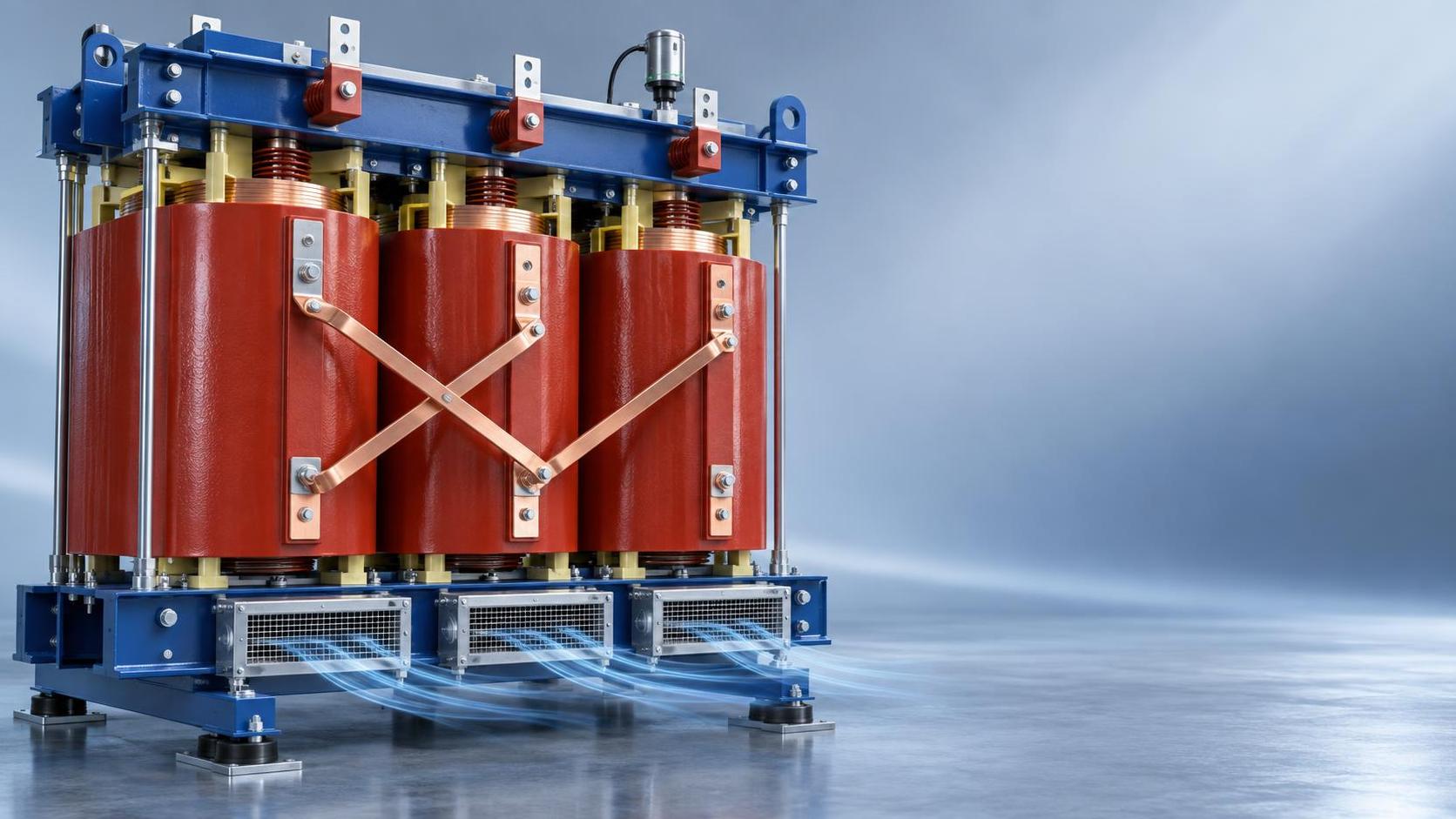
 SCB13 Dry-Type Transformer Long Lifespan: How Epoxy Resin Quality, Winding Stress Analysis & Ambient Humidity Monitoring Extend Service Life Beyond 30 Years
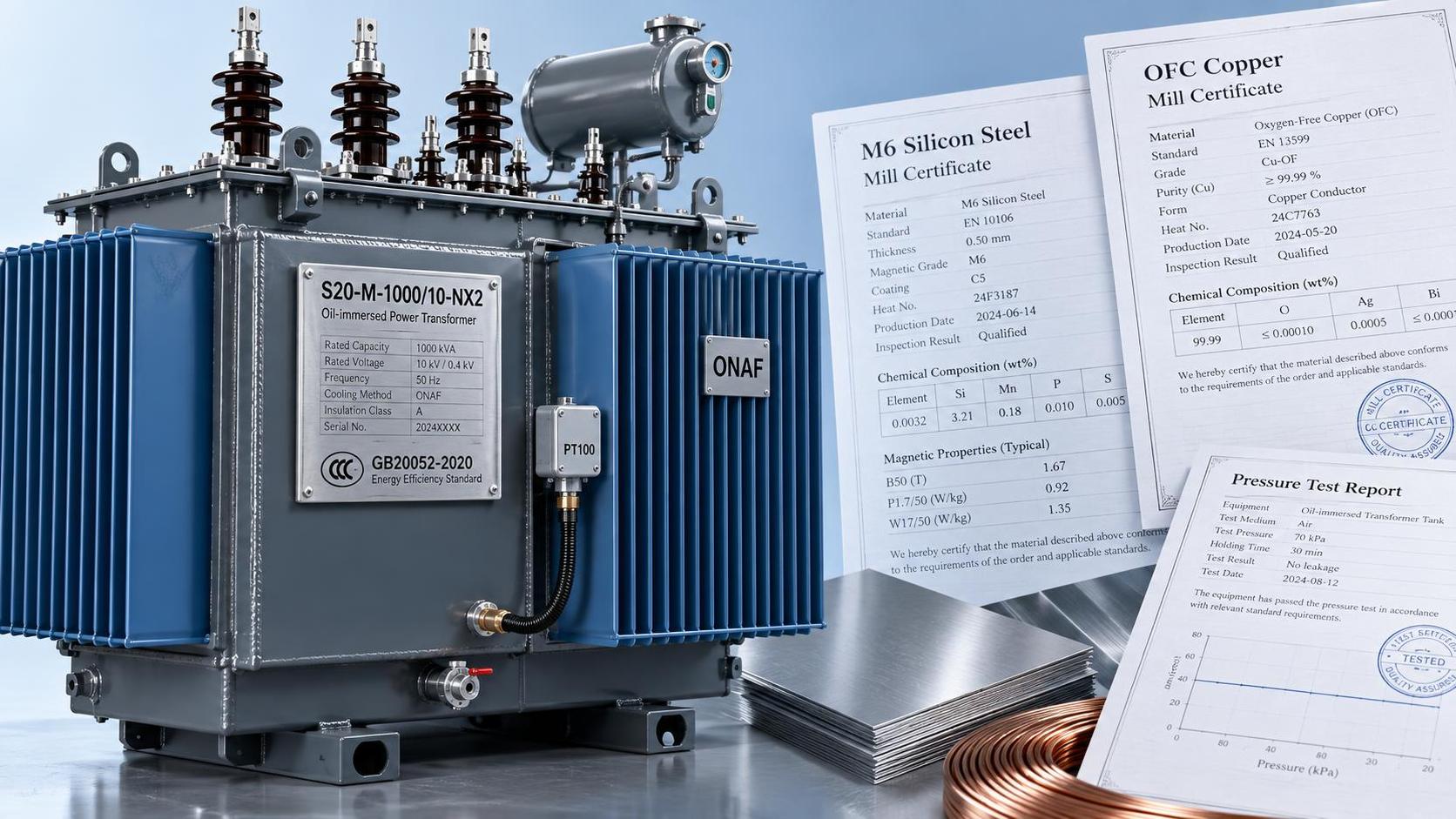
") S20 Oil-Immersed Transformer Quotation Breakdown: What 5 Line Items Actually Drive Total Installed Cost (Not Just kVA Price)
S20 Oil-Immersed Transformer Quotation Breakdown: What 5 Line Items Actually Drive Total Installed Cost (Not Just kVA Price) SCB11 Compact Dry-Type Transformer: Space-Saving Design Trade-Offs in High-Rise Building Electrical Rooms
 S11 vs S13 Oil-Immersed Transformers: Quantifying Efficiency Gains, Payback Period & Thermal Stability in Grid-Tied Substations
GET A FREE QUOTE
We offer reliable products, competitive prices, and nationwide professional support, committed to providing customers with efficient and energy-saving power equipment solutions.