


Where do S20 Series Oil-Immersed Power Transformers make the most sense?
They fit best where the grid runs for long hours, load levels stay meaningful, and energy loss adds up over time. That usually means utility distribution networks, industrial power systems, infrastructure projects, and substations that need steady, efficient operation rather than occasional standby service.
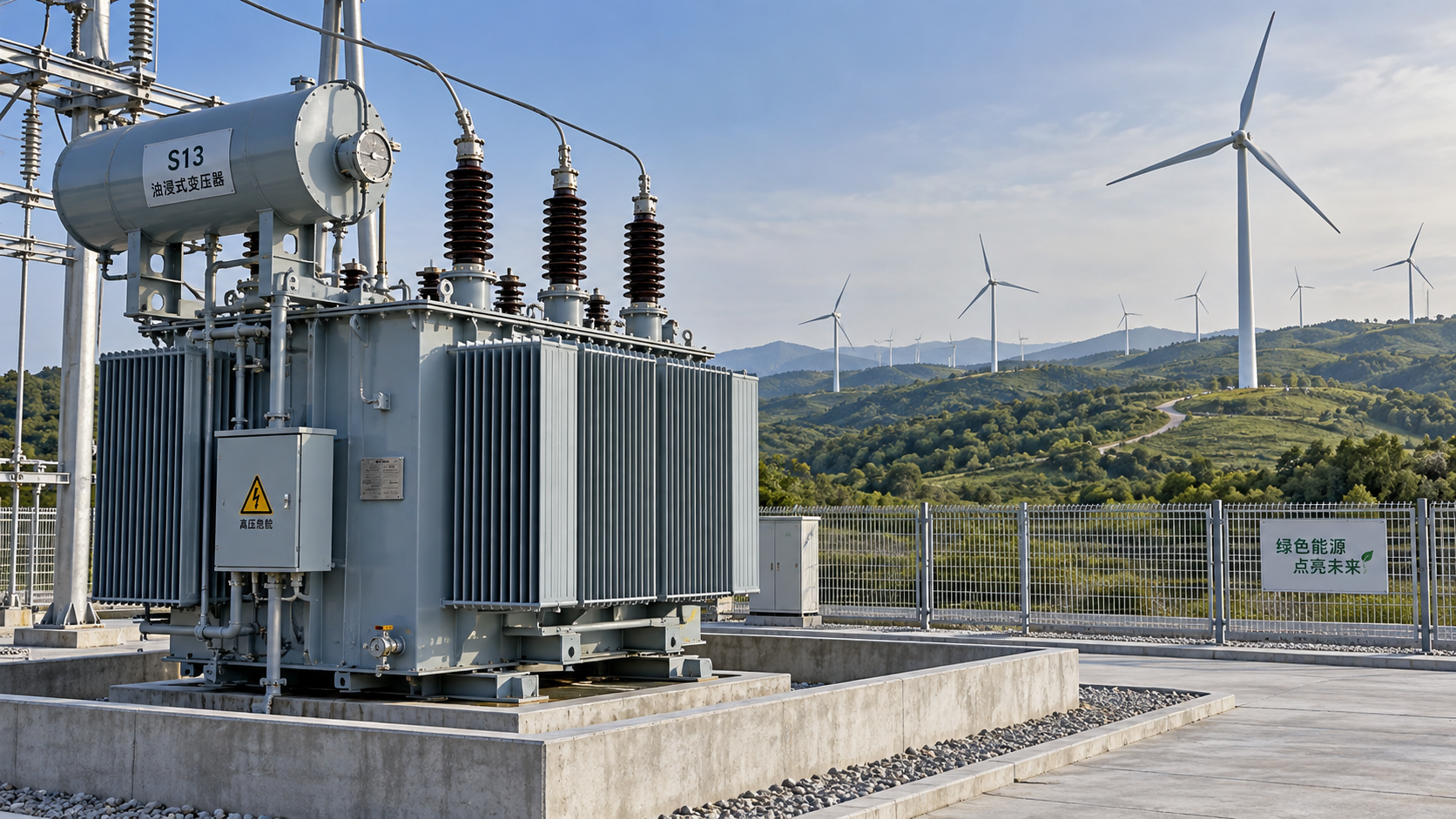
In practical terms, S20 Series Oil-Immersed Power Transformers are often considered when engineers want lower no-load and load losses than older conventional units, while still keeping the familiar advantages of oil-immersed construction: good heat dissipation, mature insulation design, and stable long-term service behavior. In modern grids, that combination matters because distribution systems are under pressure to reduce waste without making maintenance more complicated than it needs to be.
What makes the S20 series different from earlier low-loss transformer generations?
The short answer is efficiency. When people compare S20 units with earlier generations such as S11 or S13, the discussion usually centers on lower losses and better lifecycle economics, not on a completely different operating principle.
That distinction matters for researchers. A transformer is not judged only by purchase price. Over years of service, loss performance can influence operating cost far more than many first-time buyers expect. If a network serves dense residential zones, factories with long operating hours, or public infrastructure with continuous demand, even moderate loss reduction can become financially meaningful.
So the S20 series is usually less about solving a brand-new grid problem and more about improving an old one: wasted energy in everyday distribution.
Are they mainly for utilities, or do industrial users benefit too?
Both can benefit, but the reasons are slightly different.
- Utilities usually focus on network-wide efficiency, reliability, and the cumulative effect of losses across many substations and feeders.
- Industrial facilities care more about dependable voltage transformation, thermal stability under regular loading, and the long-term cost of powering production.
- Infrastructure operators such as transport or public service projects often need robust distribution equipment that can handle continuous operation with predictable maintenance routines.
Where people sometimes go wrong is assuming that a low-loss transformer is automatically the best option for every site. If the transformer will spend most of its life lightly loaded or only operate intermittently, the economic benefit may be less obvious. The fit is strongest where the transformer is truly part of the daily power path.
How do you judge whether an S20 transformer is a good fit for a specific grid project?
Start with the load profile, not the catalog.
A solid evaluation usually checks these points:
- How many hours per year the transformer will be energized.
- Whether the site has relatively stable load, strong daytime peaks, or frequent overload periods.
- The voltage level and system configuration required by the project.
- Ambient conditions, including temperature, ventilation, and installation space.
- Whether the owner is optimizing for first cost, operating cost, or a balanced lifecycle view.
If a project team skips the load profile and looks only at nameplate capacity, the selection can drift off course. Two sites with the same rated capacity may have very different economics depending on how heavily and how often the transformer is used.
Why are S20 Series Oil-Immersed Power Transformers often preferred in modern distribution grids?
Because modern grids are trying to do two things at once: carry growing demand and reduce avoidable losses. That pushes buyers toward equipment with better efficiency, but it does not remove the need for proven reliability. Oil-immersed transformers remain attractive in many outdoor and utility-side applications because the cooling method is well understood and widely supported in real operating environments.
In other words, the S20 series sits in a practical middle ground. It supports loss reduction goals while staying within a transformer format that grid operators already know how to install, inspect, and maintain.
When is an oil-immersed design not the best answer?
This is where project context matters. If the transformer must be installed inside a building with tighter fire-safety or environmental constraints, a dry-type unit may be easier to justify. That is one reason some projects compare S20 oil-immersed options with dry-type alternatives during early design.
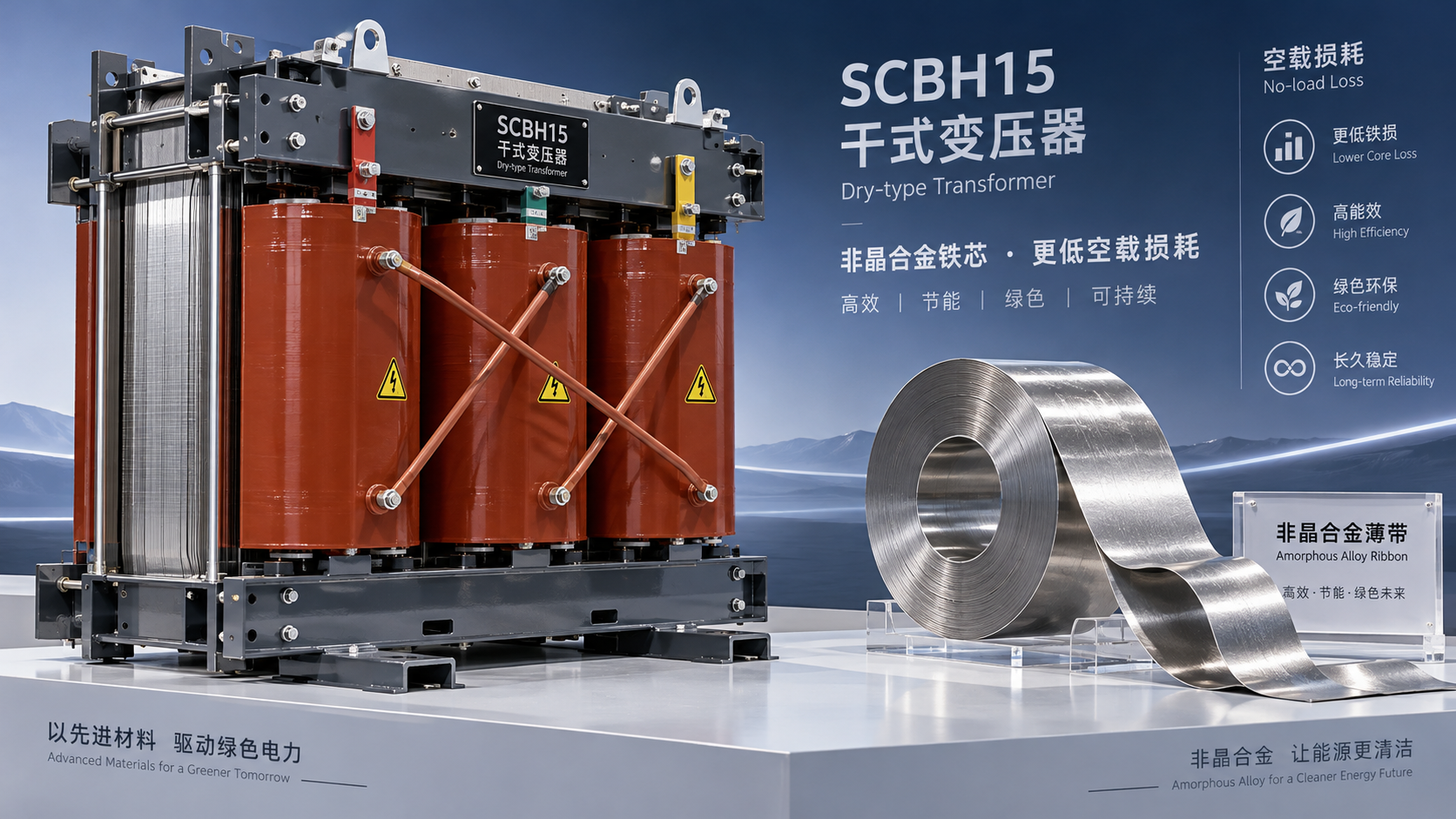
For example, an indoor installation that needs strong overload behavior, lower noise, and optional temperature control may lead designers to review SCB11 Type Dry-Type Transformer solutions. The SCB11 configuration is available in 30~20000KVA/35KV and can be equipped with a temperature control system and air-cooling device, with automatic fan activation under excessive load. That does not make it a substitute in every case, but it does make it relevant when installation conditions push the project away from oil-immersed equipment.
What should a researcher check in the technical documents before comparing suppliers?
Check the documents that affect real operating performance, not just the marketing summary.
For buyers reviewing manufacturers such as Jiangsu Shengda Power Equipment Co., Ltd., the useful part is not the brand story by itself. It is whether the supplier can show alignment between product scope, inspection discipline, and the standards that govern the transformer category being considered.
Do S20 units help only with energy savings, or do they also support grid stability?
Energy savings are usually the first talking point, but stable distribution performance is part of the value as well. A transformer that runs efficiently and thermally predictably under its expected load can support smoother long-term operation. That matters in networks where voltage quality, uptime, and maintenance intervals all affect service performance.
That said, no transformer series by itself guarantees “grid stability” in a broad sense. System layout, protection coordination, load variation, and installation quality still play major roles. The right way to think about S20 Series Oil-Immersed Power Transformers is as one component that can improve the efficiency and robustness of the distribution layer when selected correctly.
What mistakes show up most often during early-stage selection?
A few patterns come up again and again:
- Choosing by upfront price alone and ignoring lifetime loss cost.
- Treating all “low-loss” transformers as interchangeable without checking the exact standard and rating basis.
- Selecting an oil-immersed unit for a location where indoor installation constraints point toward dry-type equipment instead.
- Using rated capacity as the only sizing reference while overlooking actual load behavior.
- Reviewing product claims without matching them to required documents and test information.
Most bad decisions do not come from one dramatic technical error. They come from leaving out one practical check too early in the process.
If you are still at the research stage, what is the smartest next step?
Build a short comparison around the site conditions you already know. List the voltage level, capacity target, expected load pattern, installation environment, and whether the project favors outdoor utility-style deployment or indoor distribution equipment. Once those basics are clear, the role of S20 Series Oil-Immersed Power Transformers becomes much easier to judge.
A simple rule works well here: if the project needs continuous, efficient, utility-style distribution service and the installation environment suits oil-immersed equipment, S20 is often worth serious attention. If the environment itself is the limiting factor, compare it early with the right dry-type alternative instead of forcing the wrong transformer into the wrong setting.



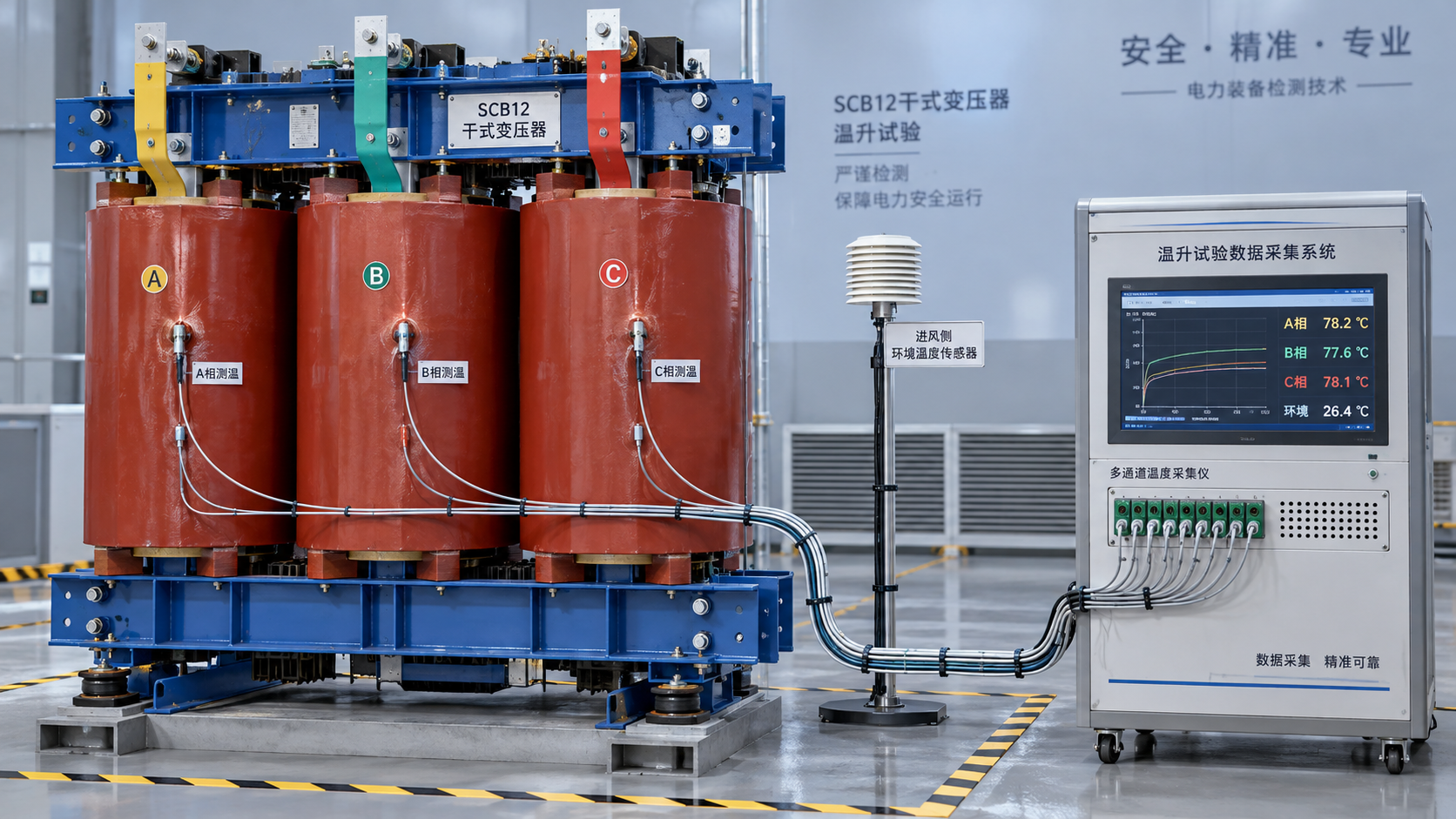
 How to verify the temperature-rise test of an SCB12 dry-type transformer
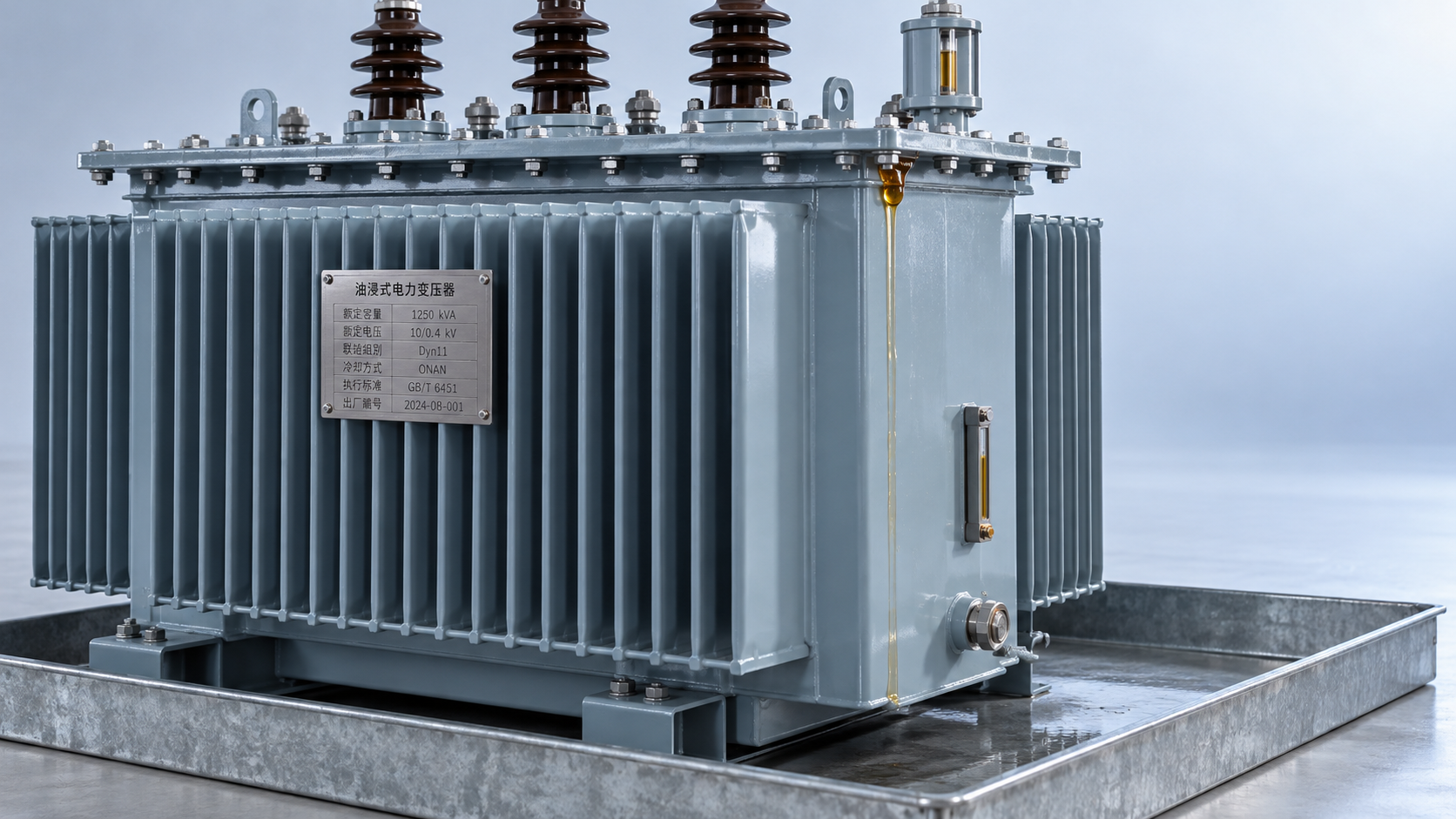
 Distribution transformer maintenance tips for spotting oil leaks
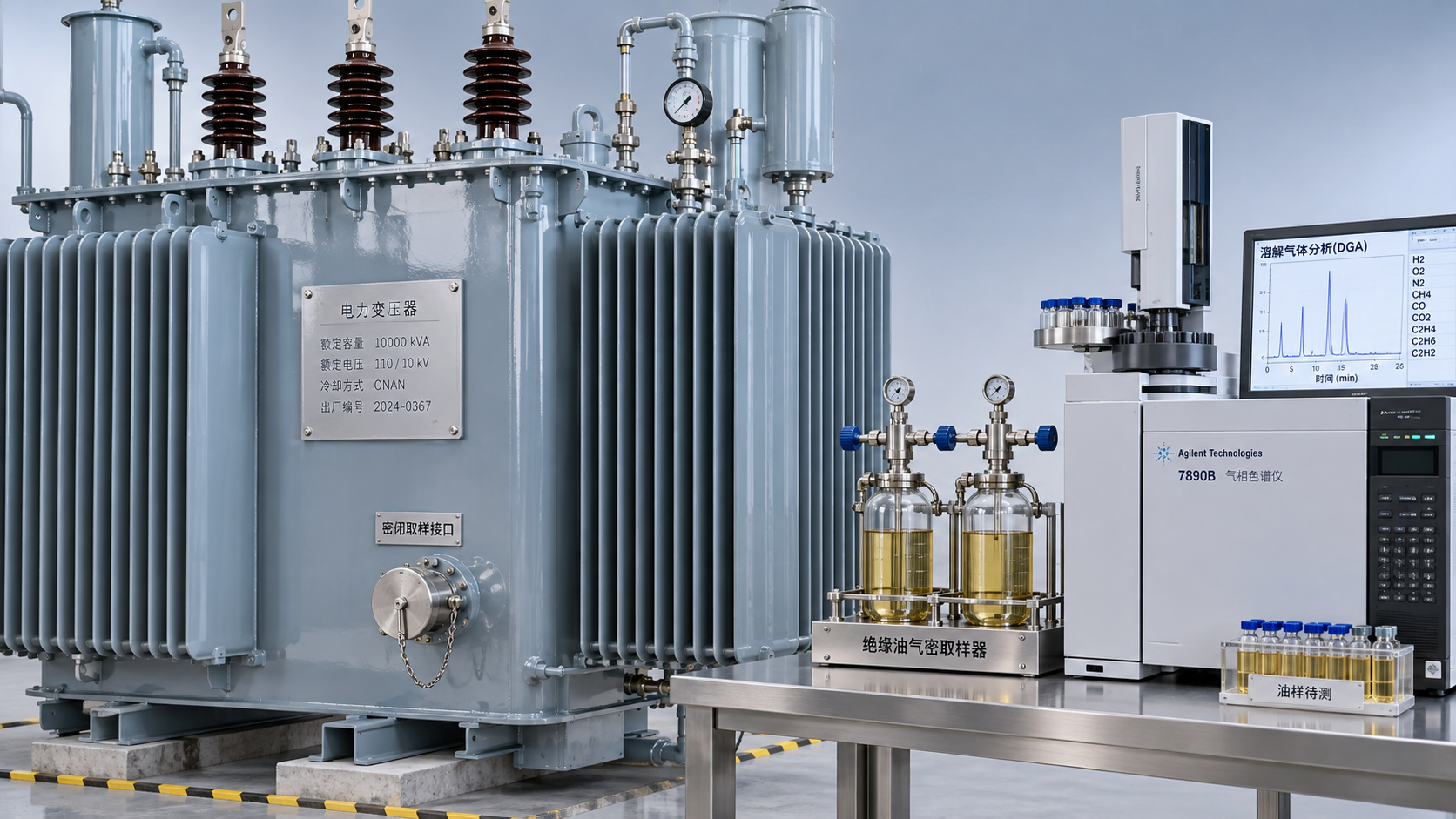
 What dissolved gas analysis reveals about an oil-immersed transformer
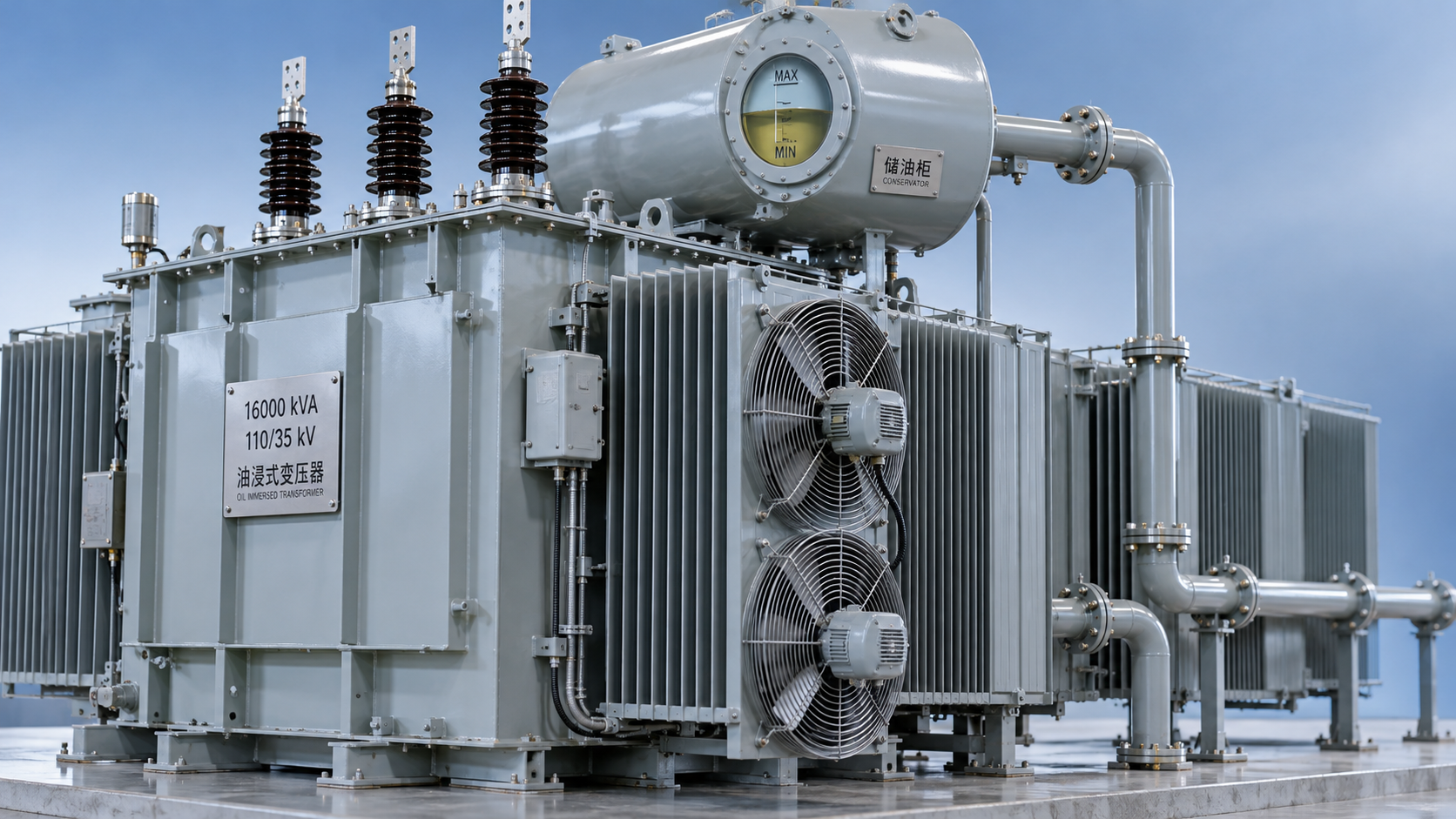
 Why an oil-cooled transformer overheats despite a normal oil level
 How the amorphous core affects SCBH15 dry-type transformer losses
 Sizing S13 oil-immersed transformers for variable wind farm output
GET A FREE QUOTE
We offer reliable products, competitive prices, and nationwide professional support, committed to providing customers with efficient and energy-saving power equipment solutions.