


S22 Oil-Immersed Transformers for Mining: Key Selection Points
Selecting the right S22 Series Oil-Immersed Power Transformers for mining industry projects affects power stability, operating safety, and long-term budget control.
In mining, transformer selection is rarely a simple equipment purchase.
It is a system decision tied to production continuity, environmental stress, expansion plans, and compliance requirements.
That is why S22 Series Oil-Immersed Power Transformers for mining industry applications should be evaluated through real project conditions, not catalog data alone.
From recent project trends, one clear signal stands out.
Mining operators now expect higher efficiency, stronger reliability, and easier lifecycle management from every power asset.
Why S22 Series Matters in Mining Power Systems
Mining sites place unusual pressure on distribution equipment.
Loads fluctuate sharply during hoisting, crushing, ventilation, pumping, and conveyor operation.
At the same time, dust, humidity, vibration, and temperature swings increase failure risk.
This makes transformer reliability more than a technical preference.
It becomes a production protection strategy.
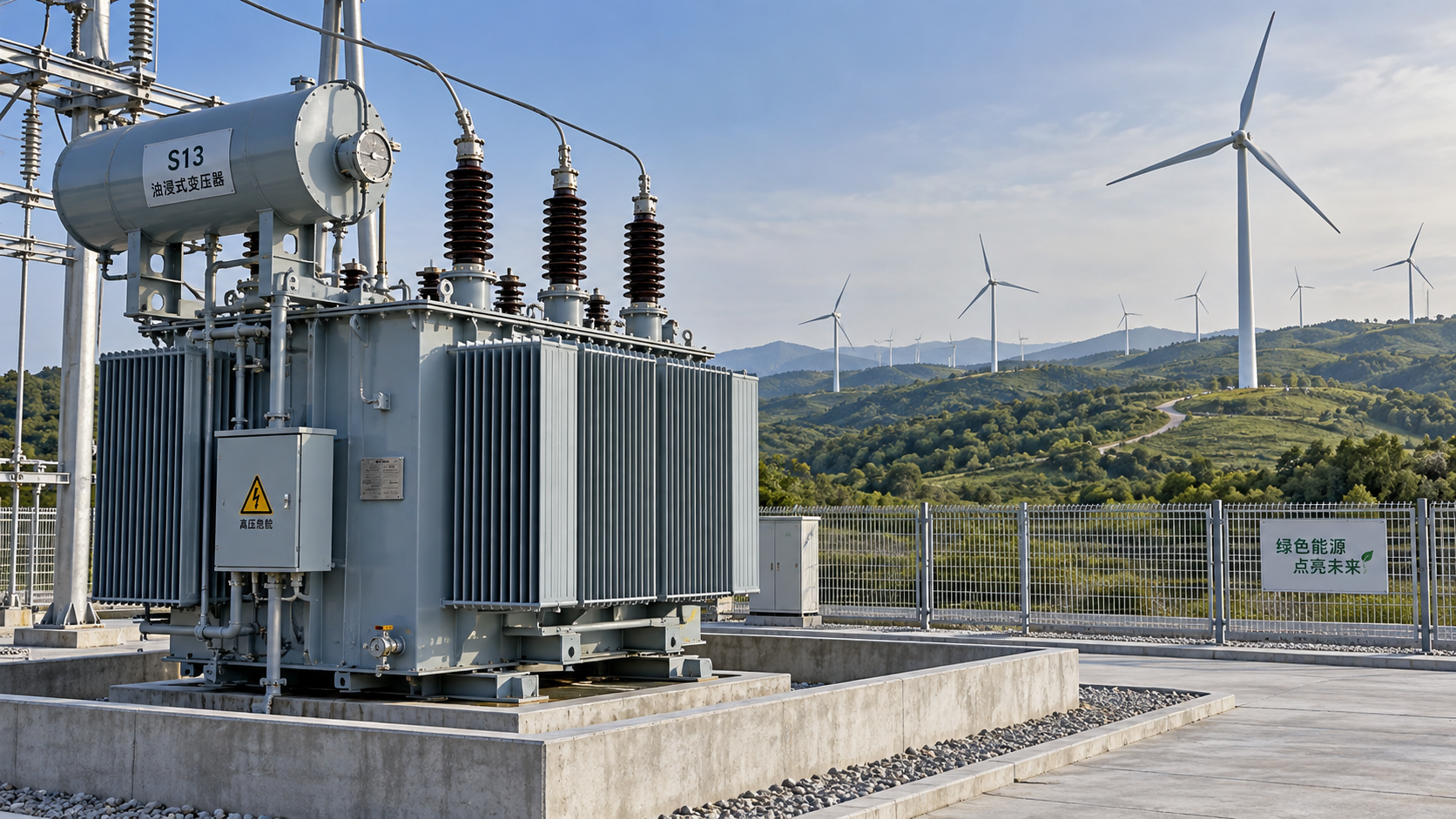
S22 Series Oil-Immersed Power Transformers for mining industry projects are often considered when operators want lower losses and stable performance under demanding duty cycles.
For mines with continuous or near-continuous operations, even small efficiency gains can translate into meaningful savings over the equipment life.
Start with Load Profile, Not Rated Capacity Alone
The first selection point is load behavior.
Many projects still begin by matching transformer rating to present connected load.
That approach is too narrow for mining environments.
A better method is to review peak demand, average demand, motor starting currents, future capacity additions, and load diversity.
Pay attention to these questions:
- Is the mine operating in fixed shifts or around the clock?
- Will new mechanical equipment be added within one to three years?
- Are large motors starting directly, or through soft starters and VFDs?
- How often do temporary overloads occur?
These answers help determine whether the selected S22 Series Oil-Immersed Power Transformers for mining industry use should prioritize reserve margin, thermal endurance, or harmonic tolerance.
In practice, undersizing usually costs more than careful capacity planning.
Check Site Conditions Before Finalizing the Model
Mining locations vary widely.
Open-pit operations face dust, rain, and solar heat.
Underground sites may bring moisture, poor ventilation, and confined installation areas.
So environmental review should happen early, not after procurement starts.
Key conditions to verify include:
- Ambient temperature range
- Altitude and derating impact
- Dust concentration and contamination level
- Humidity and water exposure
- Ventilation limitations
- Space for maintenance access
If these factors are ignored, the selected unit may perform well on paper yet struggle in service.
That also affects cooling performance, insulation aging, and maintenance intervals.
A sound selection process for S22 Series Oil-Immersed Power Transformers for mining industry duty should connect model choice directly to the real installation environment.
Efficiency, Losses, and Total Cost Should Be Reviewed Together
Initial purchase price matters, but it should not dominate the decision.
For mining facilities, operating hours are usually long and energy costs are persistent.
This means no-load loss and load loss deserve close attention.
A lower-loss transformer can reduce running expenses year after year.
When comparing offers, it helps to build a simple lifecycle model:
- Estimate annual operating hours.
- Calculate expected average loading.
- Convert no-load and load losses into annual energy cost.
- Add maintenance, outage risk, and replacement impact.
This approach gives a more realistic basis for selecting S22 Series Oil-Immersed Power Transformers for mining industry projects.
In many cases, the lowest quoted price does not produce the lowest ownership cost.
Reliability and Safety Need Equal Weight
Power interruptions in mining can trigger far more than repair costs.
They can stop production lines, delay material transport, and disrupt safety systems.
So reliability indicators should be treated as core selection criteria.
Review insulation structure, temperature rise, sealing quality, cooling design, and protective accessories.
It is also wise to confirm testing processes and manufacturing consistency.
Jiangsu Shengda Power Equipment Co., Ltd. focuses on transformer research, production, and sales, supported by technical expertise, mature manufacturing processes, and comprehensive quality inspection.
Its products comply with international standards such as GB1094.1-2-1996 and GB/T6451-2008, and the company is ISO9001 certified.
That kind of manufacturing discipline matters when evaluating S22 Series Oil-Immersed Power Transformers for mining industry use, where quality variation can quickly become a site problem.
Do Not Overlook Installation Zone Requirements
Not every mining power point has the same fire, ventilation, or indoor placement conditions.
This is where project teams should evaluate whether an oil-immersed unit is the right fit for each area.
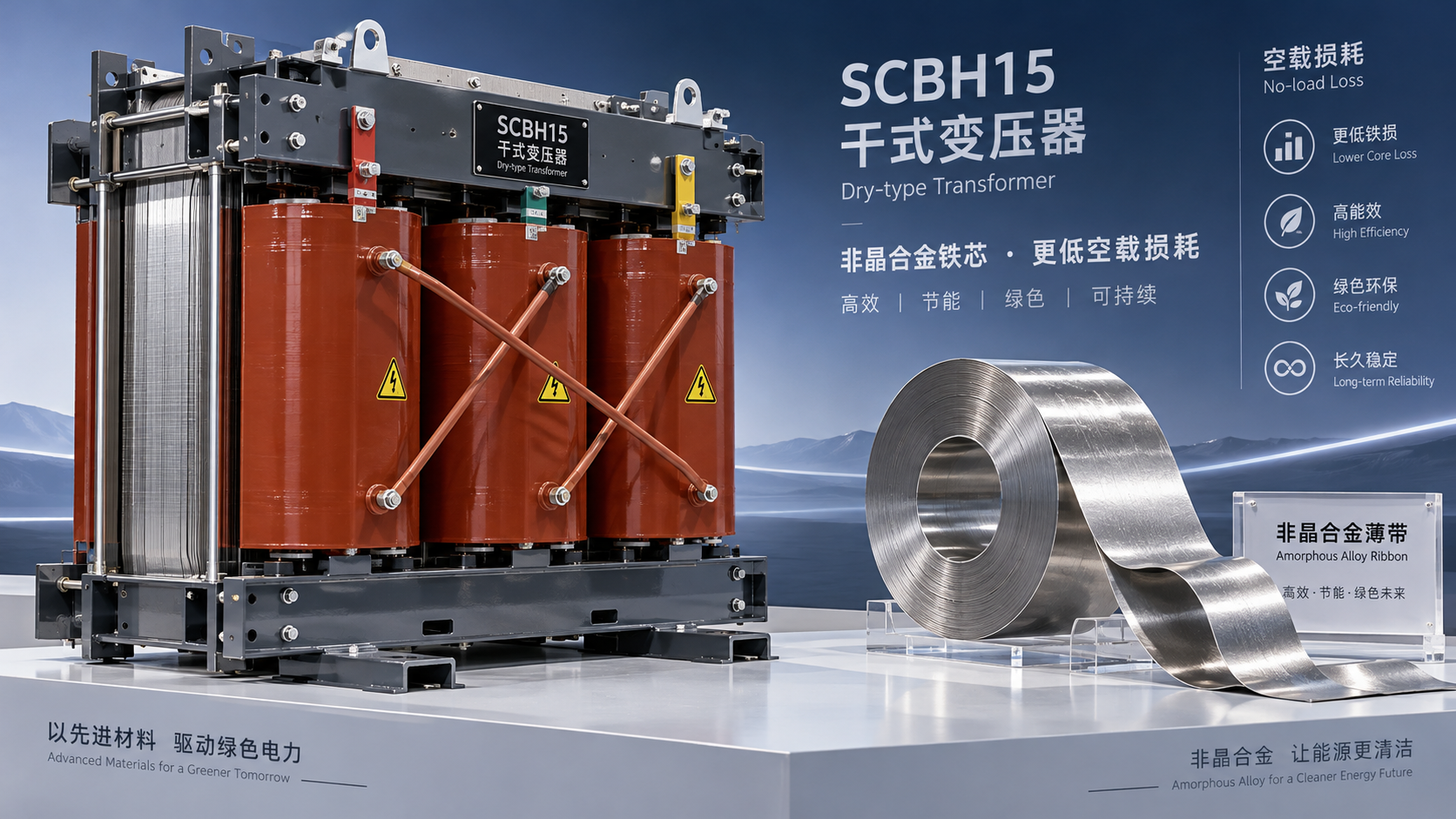
For enclosed spaces or special fire-sensitive zones, a dry-type option may be more practical.
One useful reference is SCB13 Type Dry-Type Transformer.
Its no-load loss is reduced by more than 20% compared with SCB11 models.
Noise is also 10 to 15 decibels lower than JB/T1008B-2016 requirements.
It offers low partial discharge, flame-retardant and explosion-proof characteristics, plus self-extinguishing insulation behavior.
Under high heat, the resin does not produce toxic or harmful gases.
So while S22 Series Oil-Immersed Power Transformers for mining industry applications remain central for many outdoor or main distribution duties, nearby indoor nodes may justify a different technical choice.
Compliance, Maintenance, and Expansion Planning
A strong selection decision should still look beyond startup.
Check whether the transformer aligns with local grid rules, project specifications, and future line upgrades.
This is especially important for 10KV and 35KV mining networks.
A few practical review points can simplify later operation:
- Availability of routine inspection points
- Ease of oil monitoring and maintenance scheduling
- Compatibility with compact substations or existing switchgear
- Space and interface reserved for future capacity expansion
Jiangsu Shengda Power Equipment Co., Ltd. supplies low-loss transformer series such as S11, S13, S15, S20, and S22, as well as dry-type and compact substation solutions.
That broader product range can be useful when one mining project requires several transformer types across different zones.
A Practical Selection Checklist
Before final approval, run through this short checklist.
- Confirm current and future load demand.
- Review site temperature, dust, moisture, and altitude.
- Compare energy losses across the expected service life.
- Verify standards, testing records, and quality systems.
- Check safety requirements for each installation location.
- Plan for maintenance access and future expansion.
This keeps the decision grounded in project reality.
It also reduces the risk of selecting S22 Series Oil-Immersed Power Transformers for mining industry service based only on short-term price pressure.
A good transformer choice should support stable production, manageable maintenance, and flexible project growth.
When these factors are reviewed together, S22 Series Oil-Immersed Power Transformers for mining industry projects become easier to evaluate with confidence and clearer long-term value.



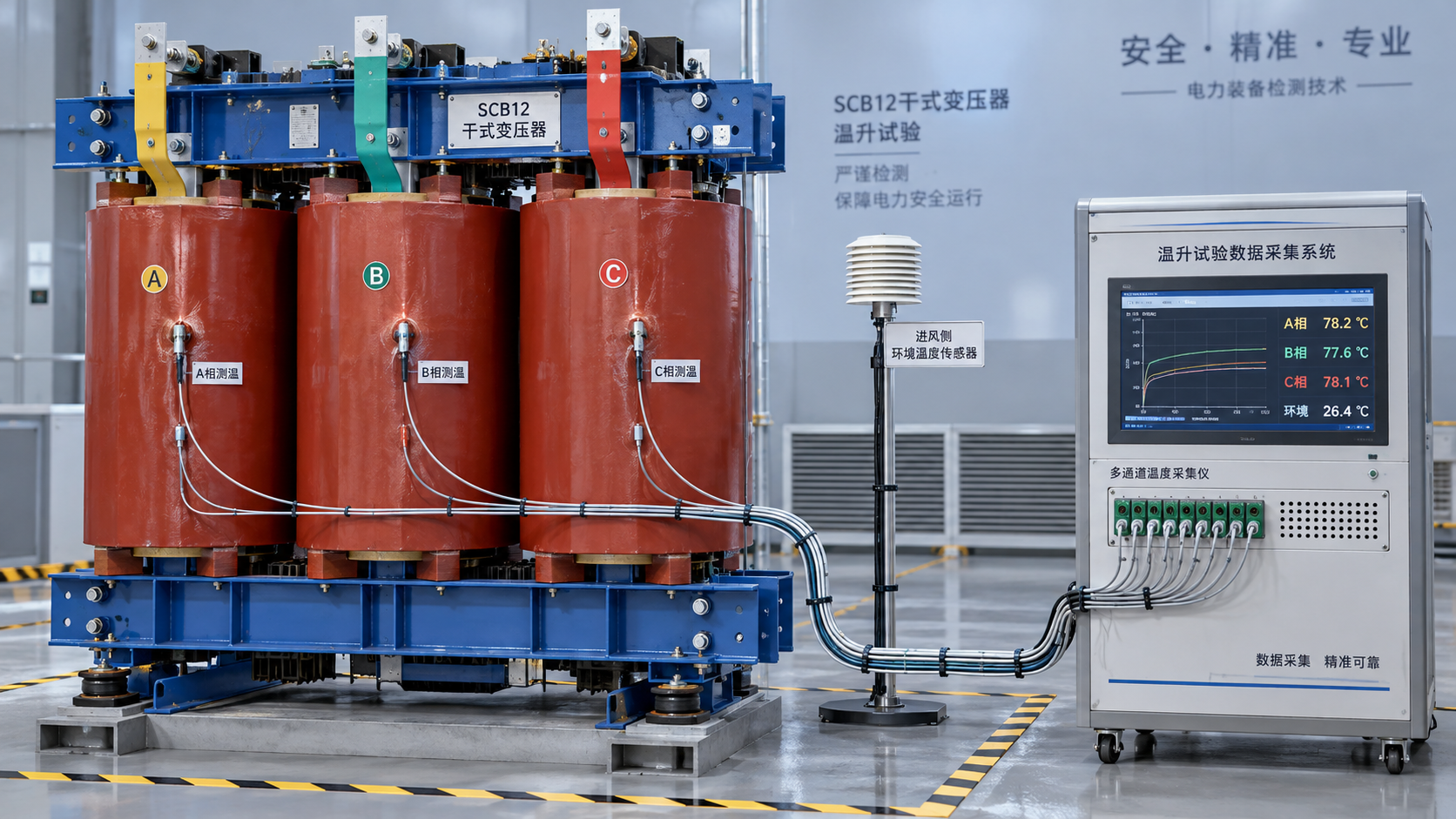
 How to verify the temperature-rise test of an SCB12 dry-type transformer
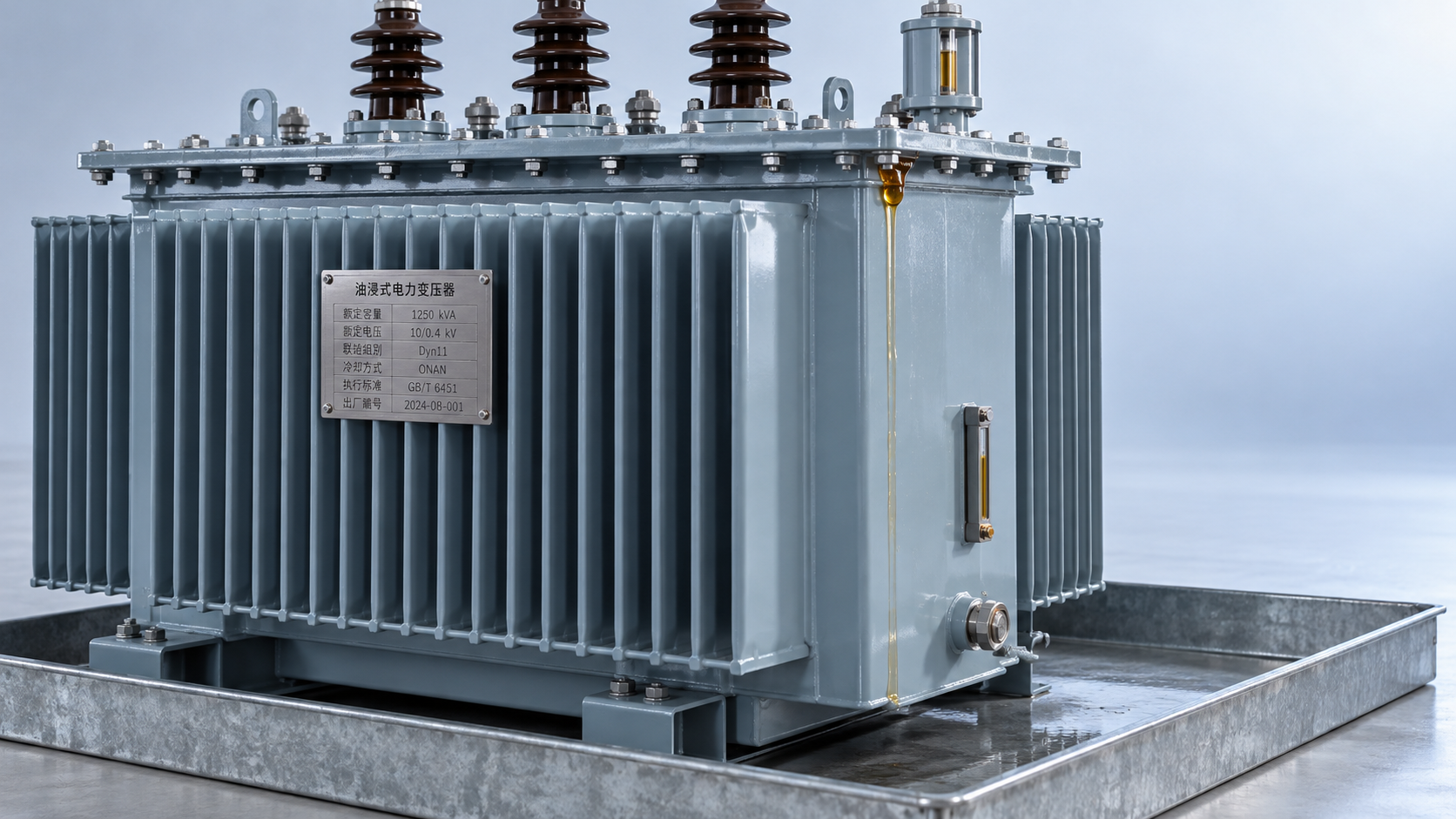
 Distribution transformer maintenance tips for spotting oil leaks
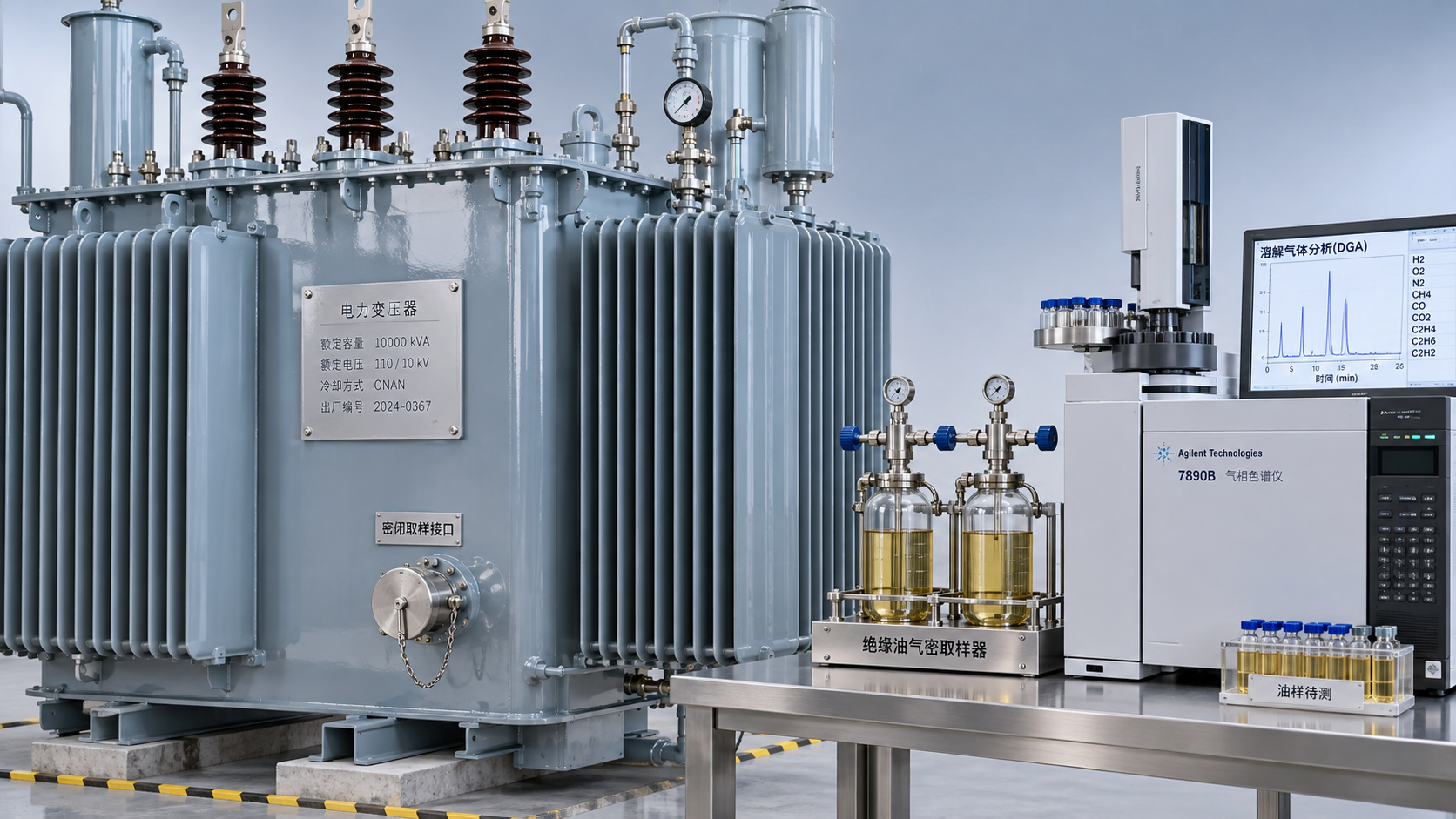
 What dissolved gas analysis reveals about an oil-immersed transformer
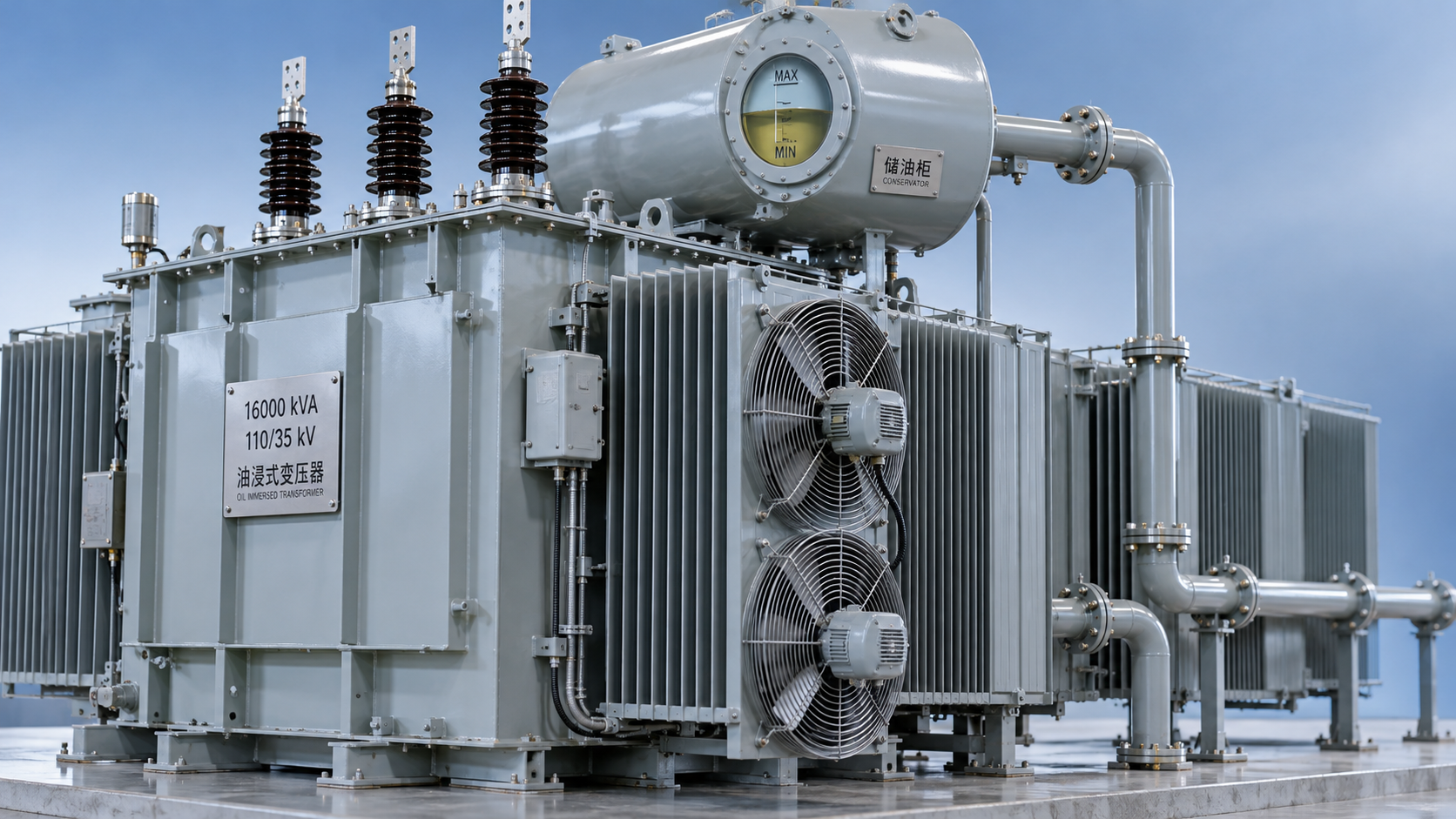
 Why an oil-cooled transformer overheats despite a normal oil level
 How the amorphous core affects SCBH15 dry-type transformer losses
 Sizing S13 oil-immersed transformers for variable wind farm output
GET A FREE QUOTE
We offer reliable products, competitive prices, and nationwide professional support, committed to providing customers with efficient and energy-saving power equipment solutions.