


Rail electrification depends on transformers that can stay stable under fluctuating loads, vibration, outdoor exposure, and strict safety expectations. When reviewing S22 Series Oil-Immersed Power Transformers for railway systems, the real task is not only matching capacity, but judging how the unit will perform over years of continuous service, maintenance cycles, and compliance checks.
Why S22 series matters in railway power distribution
Railway networks place unusual demands on medium-voltage distribution equipment. Power quality must remain consistent across stations, traction support facilities, signaling systems, depots, and auxiliary infrastructure.
In that context, S22 Series Oil-Immersed Power Transformers for railway systems are often evaluated for their low-loss profile, cooling reliability, and suitability for long-duration operation.
What makes the S22 platform worth attention is the balance it aims to strike. Energy efficiency matters, but not at the expense of thermal stability, insulation reliability, or maintainability.
Core criteria behind a sound technical assessment
A useful evaluation starts with operating conditions rather than catalog values alone. Railway applications vary widely by climate, duty pattern, installation method, and nearby equipment density.
Load behavior and capacity margin
Nameplate capacity should reflect both present demand and future expansion. Short-term peaks, cyclic loading, and seasonal variation need to be checked against thermal rise and insulation life.
Loss performance
For railway operators, no-load and load losses affect lifecycle cost more than initial purchase price suggests. Low-loss S22 Series Oil-Immersed Power Transformers for railway systems can improve long-term operating economics.
Insulation and cooling design
Oil quality, winding insulation, sealing performance, and cooling structure directly influence reliability. These factors are especially important where service interruptions disrupt transport operations or safety-related systems.
Mechanical strength and fault tolerance
Short-circuit withstand capability is not a secondary detail. Railway environments can expose transformers to fault events that demand solid winding clamping, structural rigidity, and verified manufacturing consistency.
Standards, testing, and manufacturing discipline
Compliance claims only become meaningful when they are supported by repeatable production and inspection. That is where supplier capability becomes part of the technical judgment.
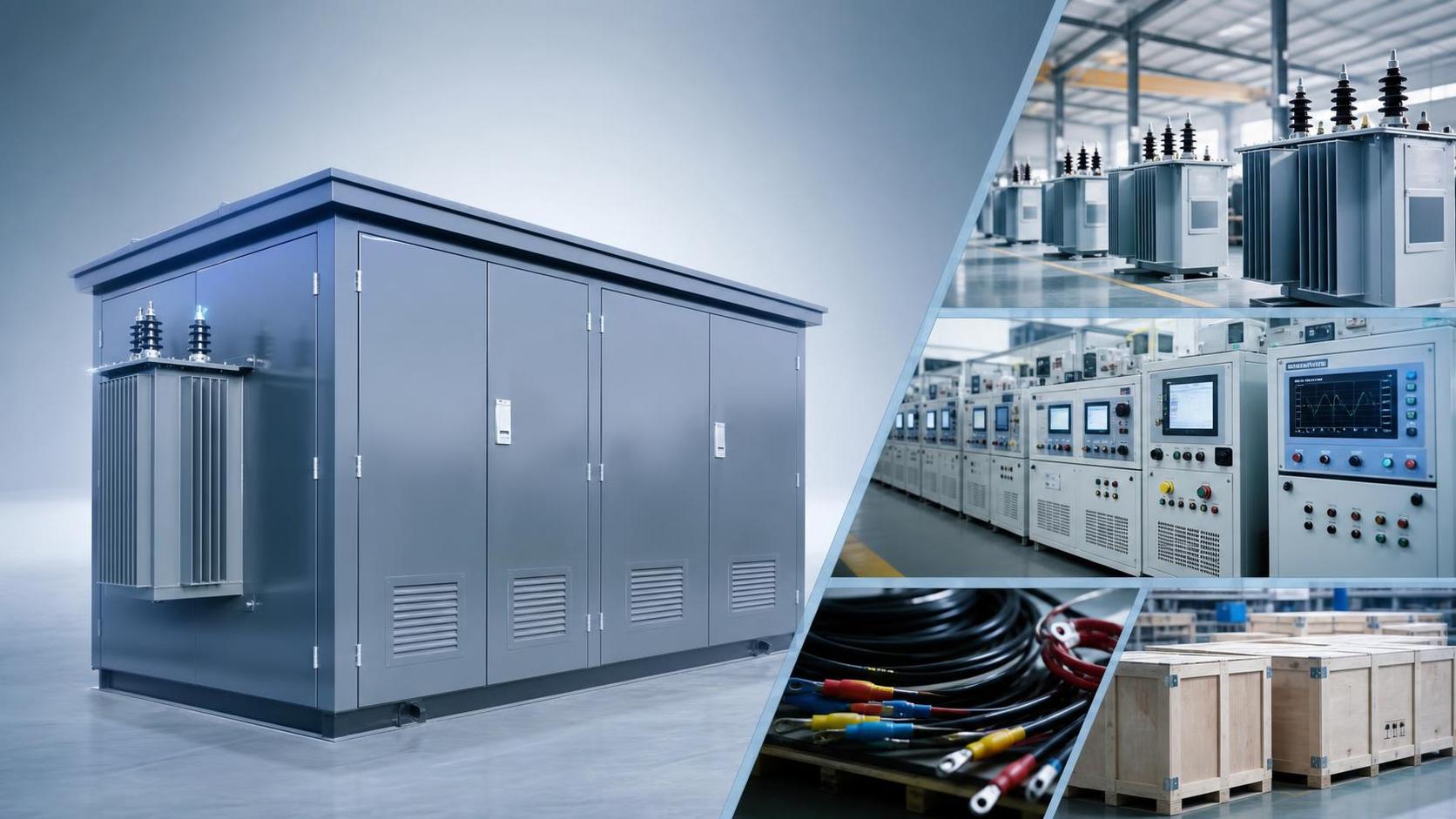
Jiangsu Shengda Power Equipment Co., Ltd. develops and manufactures transformers across low-loss power transformer lines, including S11, S13, S15, S20, and S22 series, along with 10KV and 35KV models.
Its portfolio also includes SCB10, SCB11, SCB13, SCB14, SCB18, SGB series, compact substations, amorphous alloy transformers, and on-load tap-changing power transformers.
For technical review, the more important point is the operating discipline behind the products. Strong process control, comprehensive inspection, and ISO9001 certification reduce uncertainty in delivered quality.
Reference to GB1094.1-2-1996 and GB/T6451-2008 also matters because railway projects typically require clear alignment between design data, test documentation, and accepted standards.
How railway scenarios change the selection logic
Different railway sites place emphasis on different transformer characteristics. A depot substation does not face the same priorities as a station power room or a line-side auxiliary facility.
This is why S22 Series Oil-Immersed Power Transformers for railway systems should be assessed within the actual service scenario, not as interchangeable standard equipment.
Looking beyond oil-immersed options
Some railway projects also include indoor or fire-sensitive zones where dry-type alternatives deserve comparison. That does not replace S22 selection, but it sharpens the evaluation framework.
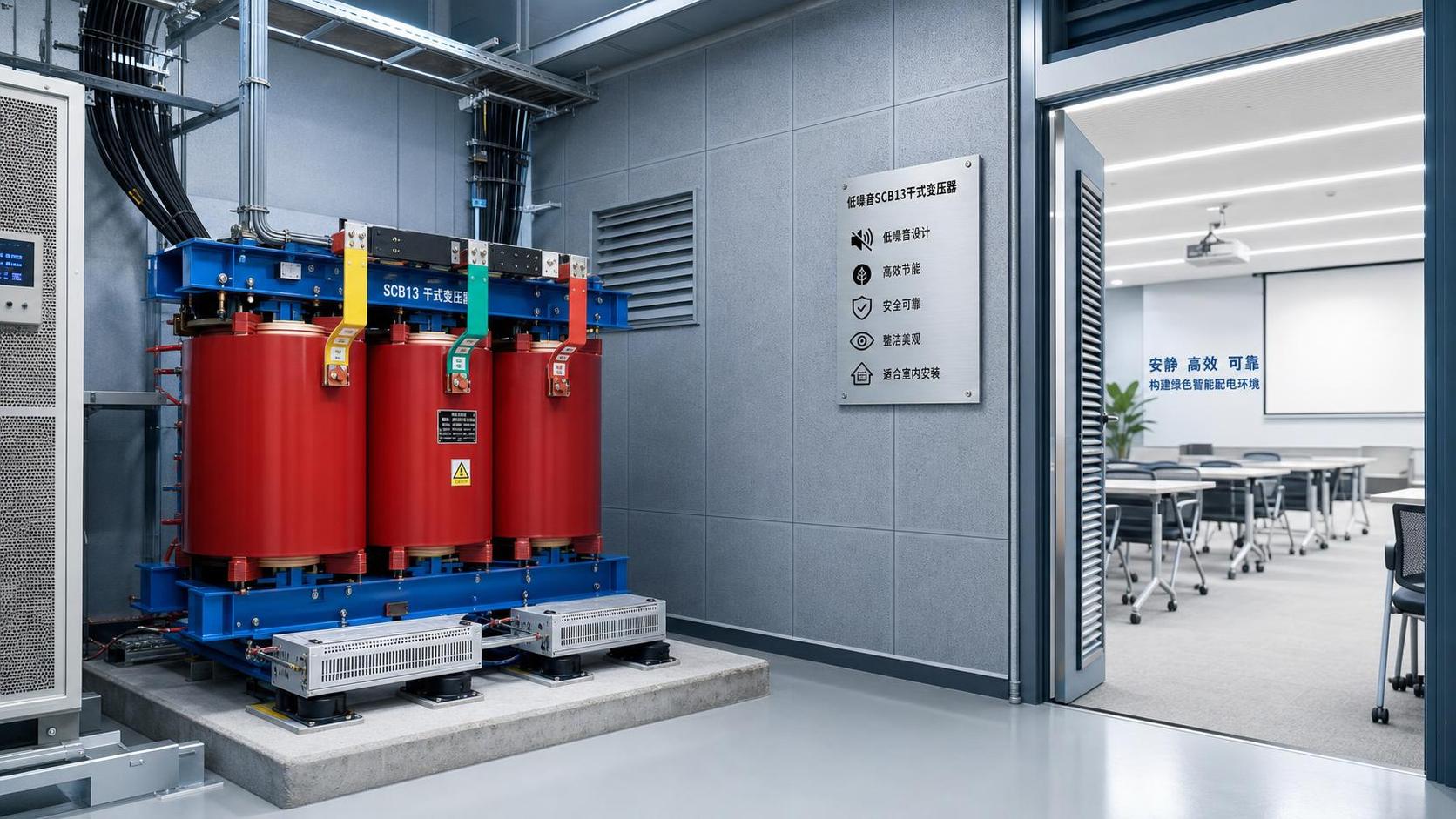
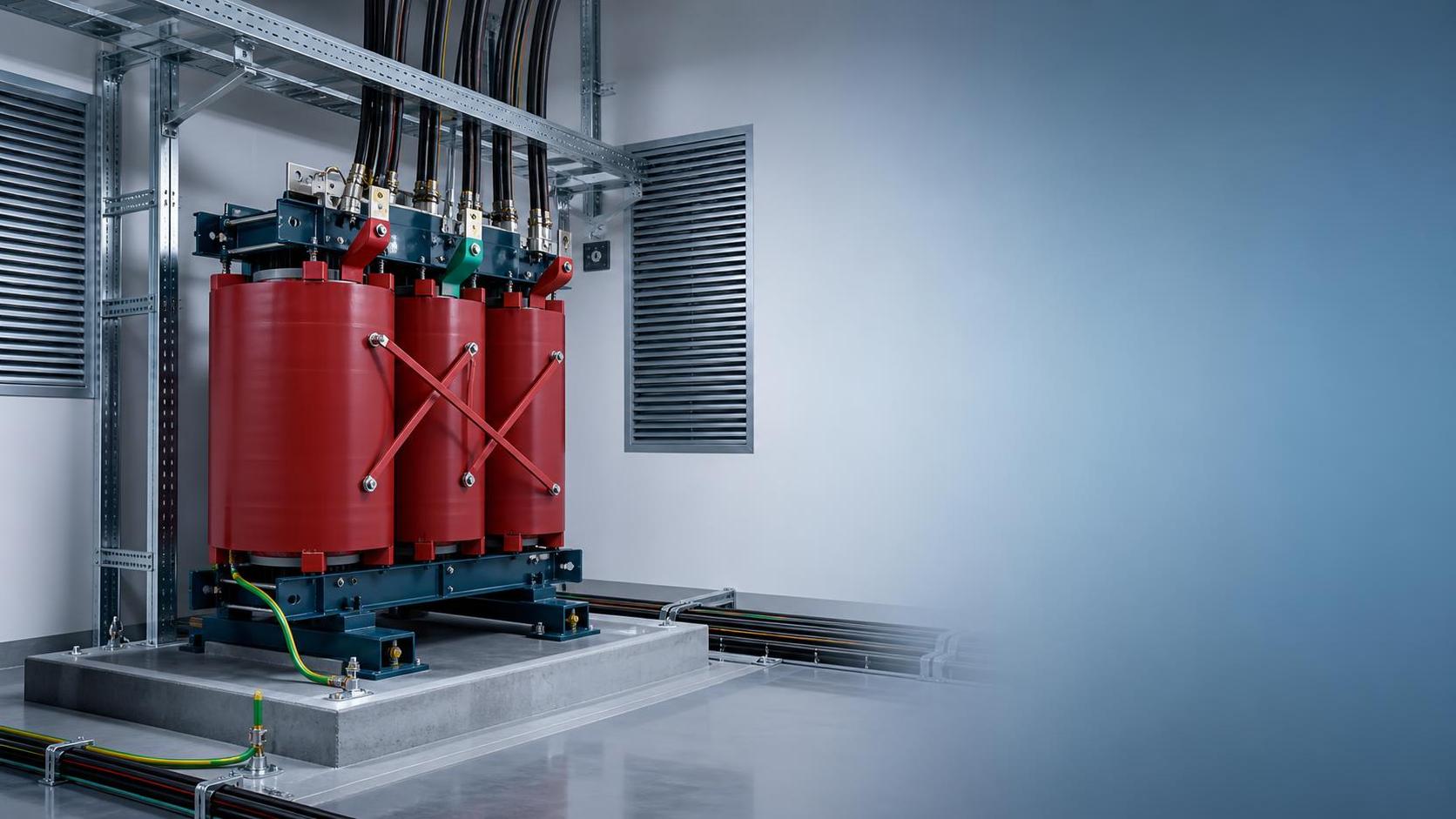
For example, SCB13 Type Dry-Type Transformer offers a useful reference point in applications that prioritize low noise, low partial discharge, and fire performance.
Its no-load loss is reduced by more than 20% compared with the SCB11 model, and its sound level is 10 to 15 decibels lower than JB/T1008B-2016.
The design also emphasizes flame-retardant, explosion-proof, and self-extinguishing characteristics, while avoiding toxic or harmful gas release under high heat. In mixed railway projects, that comparison helps define where oil-immersed and dry-type solutions each fit best.
Practical checkpoints before final selection
A solid review process usually becomes clearer when a few decision points are documented early.
- Confirm whether the load model reflects real railway operating cycles, not average demand only.
- Check losses against expected service hours and electricity cost assumptions.
- Review insulation structure, oil system sealing, and temperature-rise test records.
- Verify compliance documents, factory testing scope, and quality traceability.
- Match installation constraints with maintenance access, ventilation, and environmental exposure.
When these points are checked carefully, S22 Series Oil-Immersed Power Transformers for railway systems can be judged on lifecycle suitability rather than short-term specification matching.
A clearer next step
The most reliable decisions usually come from comparing transformer data with the actual railway power architecture, site conditions, and maintenance strategy.
Start by organizing load profiles, voltage levels, fault expectations, and compliance requirements. Then compare S22 Series Oil-Immersed Power Transformers for railway systems against those conditions, alongside any indoor dry-type needs, to build a selection standard that remains valid after commissioning.


 How to Compare ZGS Combined Substation Suppliers on Lead Time and Support
 How Low Noise Improves Indoor Use of SCB13 Dry-Type Transformers
 Where an Explosion Proof Transformer Is Required by Safety Conditions
 Distribution Transformer Installation Guide: Common Site Errors to Avoid
 What Affects SCB14 Type Dry-Type Transformer Price Besides Rated Capacity
 SCB12 Type Dry-Type Transformer Applications That Benefit from Resin Insulation
GET A FREE QUOTE
We offer reliable products, competitive prices, and nationwide professional support, committed to providing customers with efficient and energy-saving power equipment solutions.