


SCB11 Type Dry-Type Transformer Cost: What Drives the Price
For finance decision-makers, understanding SCB11 Type Dry-Type Transformer cost is essential to balancing budget, performance, and long-term value.
The purchase price is only the visible part.
Real cost also includes energy use, maintenance exposure, installation conditions, downtime risk, and service life.
That is why two units with similar ratings can carry very different quotations.
In practical procurement, a lower quote does not always mean lower ownership cost.
This guide explains what shapes SCB11 Type Dry-Type Transformer cost and how to compare offers with fewer blind spots.
Why SCB11 Type Dry-Type Transformer Cost Varies So Much
SCB11 Type Dry-Type Transformer cost is driven by technical configuration and manufacturing discipline.
Capacity is usually the first variable.
A 500kVA unit and a 2000kVA unit differ in copper or aluminum usage, resin volume, core material, and structural reinforcement.
Voltage class matters too.
10kV and 35kV models need different insulation design, testing procedures, and production control.
That directly changes the SCB11 Type Dry-Type Transformer cost structure.
Then there is the manufacturer factor.
A producer with mature process control, full inspection capability, and standard compliance usually prices differently from a workshop-style supplier.
Jiangsu Shengda Power Equipment Co., Ltd. focuses on transformer R&D, production, and sales.
Its products follow international standards, including GB1094.1-2-1996 and GB/T6451-2008, with ISO9001-certified quality management.
From a finance angle, this affects consistency, rework probability, and after-sales risk.
The Main Cost Drivers Behind the Quote
1. Rated Capacity and Load Profile
Larger capacity usually means a higher upfront quote.
But oversizing can also raise idle energy loss and tie up capital unnecessarily.
Undersizing creates another problem.
Frequent high-load operation can shorten insulation life and increase thermal stress.
The right rating should reflect actual demand, peak patterns, and future expansion.
2. Core Material and Loss Performance
Core design strongly influences SCB11 Type Dry-Type Transformer cost.
Better magnetic materials and tighter process control reduce no-load loss.
That may increase purchase price, but it often lowers electricity expense year after year.
For long operating hours, the savings can be material.
3. Winding Material and Insulation System
Copper windings generally cost more than aluminum.
However, they may offer different performance advantages depending on design requirements.
The insulation system also matters.
Resin quality, vacuum casting technique, and curing stability affect reliability, safety, and long-term aging behavior.
4. Efficiency Standards and Compliance Testing
A unit built to higher efficiency expectations often costs more initially.
Still, it may be the better financial choice over ten or fifteen years.
Testing, certification, and documented compliance add cost, but they also reduce procurement uncertainty.
5. Protection, Noise, and Site Requirements
Indoor commercial buildings, hospitals, data rooms, and public facilities often need stricter noise and safety performance.
That changes the SCB11 Type Dry-Type Transformer cost through enclosure options, cooling layout, and fire behavior requirements.
In these settings, technical details affect both compliance and operating comfort.
Hidden Costs That Are Easy to Miss
A quote comparison often focuses too narrowly on unit price.
The bigger financial picture includes several hidden items.
- Installation adjustments for room size, ventilation, and cable routing
- Energy loss over the full operating cycle
- Downtime cost if failure occurs during peak business periods
- Replacement parts and service response lead time
- Noise mitigation work for sensitive indoor applications
These items can easily outweigh a small difference in purchase price.
This is where lifecycle thinking becomes useful.
When reviewing SCB11 Type Dry-Type Transformer cost, ask what happens after installation, not only before delivery.
Why Higher-Efficiency Alternatives Can Change the Math
In many projects, SCB11 remains a practical benchmark.
But it should not be the only reference point.
A higher-efficiency option can improve long-term economics, especially where utilization is stable and electricity cost is meaningful.
One example is the SCB13 Type Dry-Type Transformer.
Compared with the SCB11 model, its no-load loss is reduced by more than 20%.
That difference can materially improve total ownership cost in continuous-service environments.
It also offers lower noise, typically 10 to 15 decibels below the JB/T1008B-2016 professional standard.
For office buildings, healthcare sites, and education facilities, that can reduce secondary mitigation expense.
Another cost-related point is reliability.
Extremely low partial discharge, dense cured casting, flame-retardant behavior, and self-extinguishing insulation reduce operational risk.
In financial terms, fewer failures often mean better asset predictability.
How to Evaluate SCB11 Type Dry-Type Transformer Cost More Accurately
A solid procurement review usually combines technical and financial filters.
- Confirm rated capacity against actual load data, not rough estimates.
- Check voltage level, impedance, insulation class, and installation environment.
- Compare no-load loss and load loss, not only base price.
- Review compliance documents and factory testing scope.
- Ask about expected service life and warranty support.
- Estimate annual energy cost under realistic operating hours.
- Include transport, installation, and possible site modification cost.
This process makes SCB11 Type Dry-Type Transformer cost easier to compare on a like-for-like basis.
It also reduces the chance of approving a quote that looks attractive but performs poorly later.
A Simple Quote Comparison Framework
Using a structure like this keeps SCB11 Type Dry-Type Transformer cost discussions grounded in measurable factors.
Final Takeaway
SCB11 Type Dry-Type Transformer cost is not set by one number alone.
It reflects capacity, voltage level, material quality, efficiency performance, safety design, and manufacturing consistency.
The most useful comparison is total value, not the lowest initial quote.
In real procurement work, a reliable transformer with lower losses and fewer operating risks usually supports better budget control over time.
Before approval, compare quotations against load profile, lifecycle energy cost, compliance evidence, and site-specific requirements.
That approach leads to a more defensible investment decision and a clearer view of true SCB11 Type Dry-Type Transformer cost.



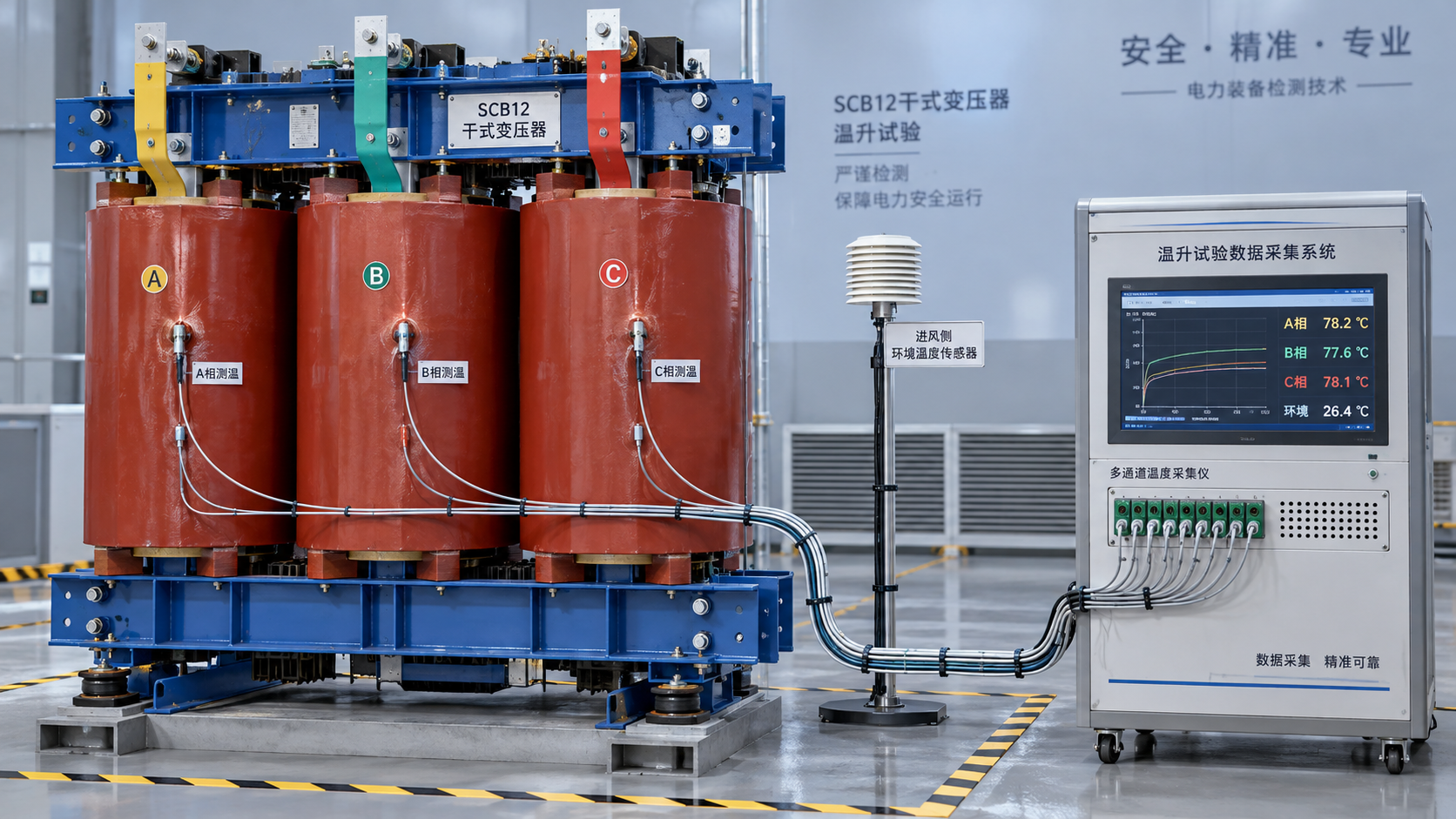
 How to verify the temperature-rise test of an SCB12 dry-type transformer
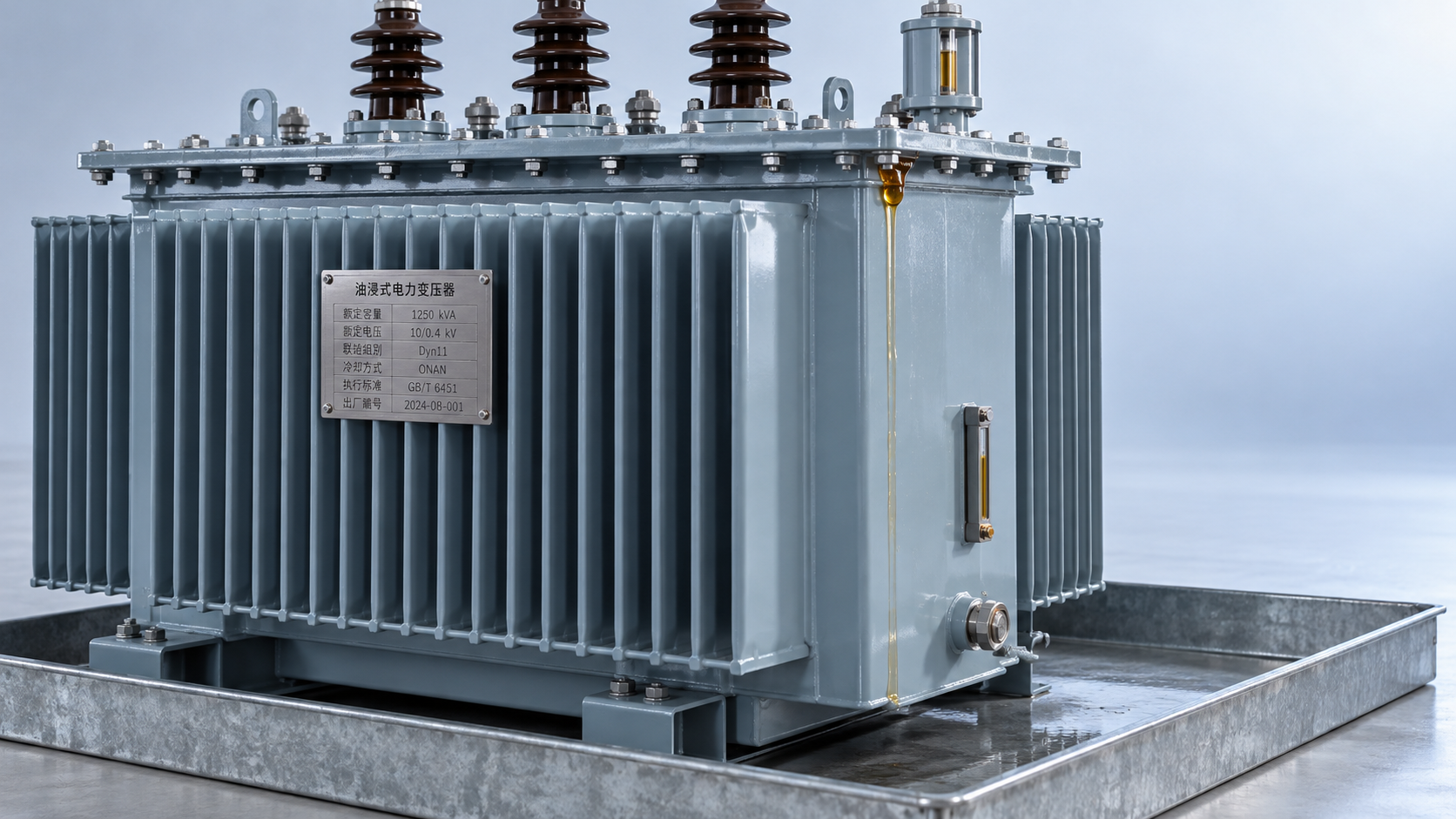
 Distribution transformer maintenance tips for spotting oil leaks
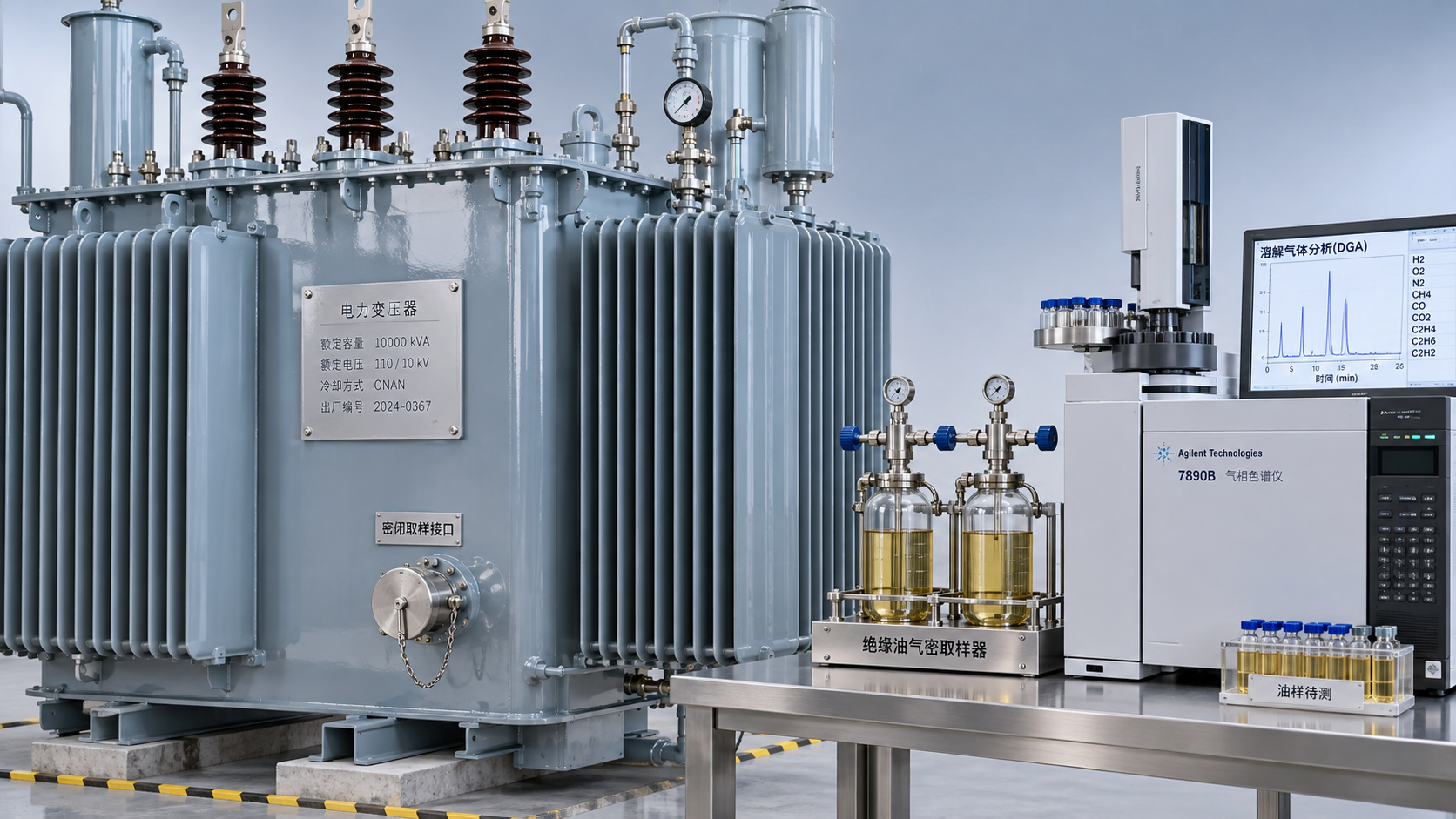
 What dissolved gas analysis reveals about an oil-immersed transformer
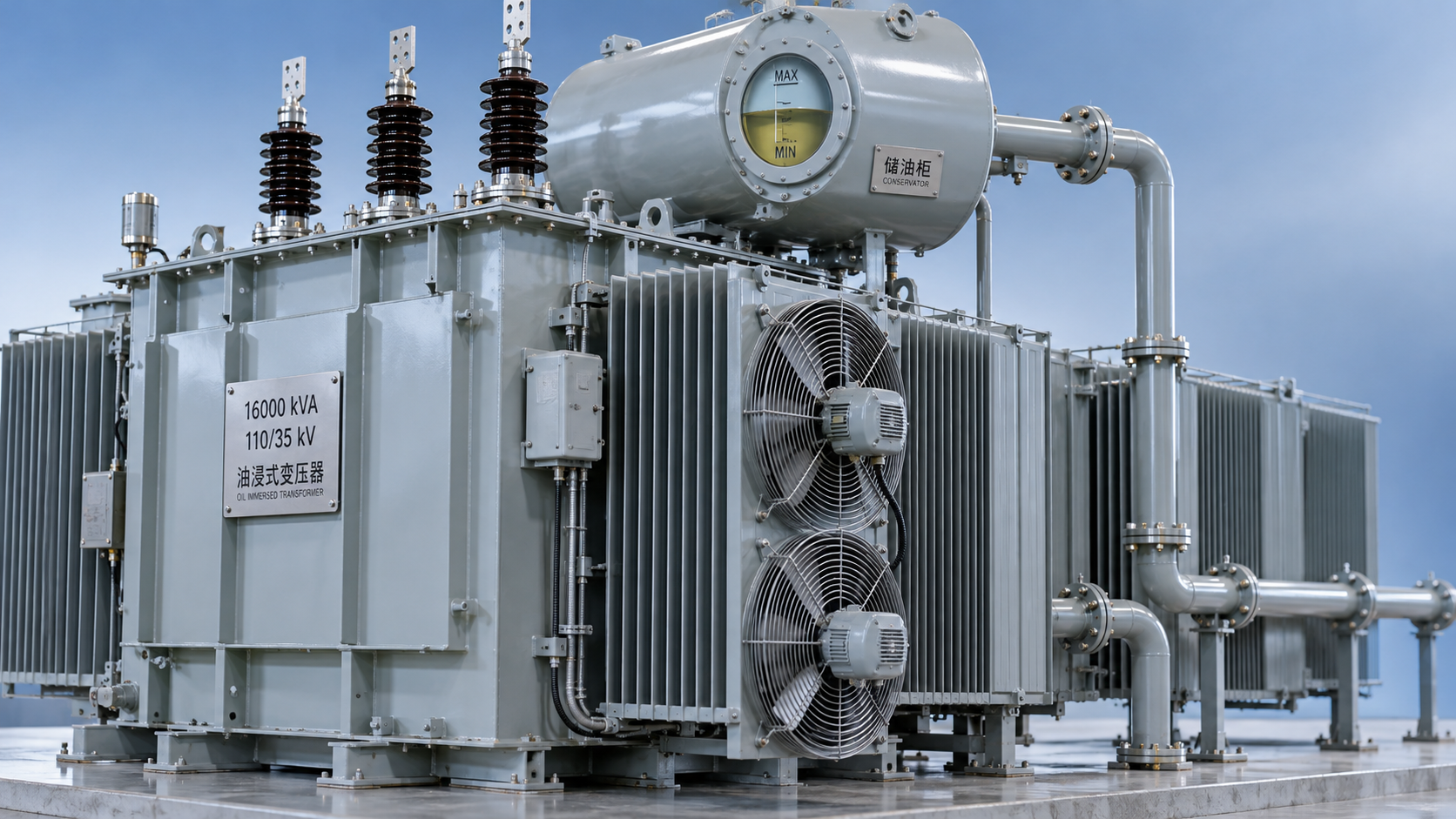
 Why an oil-cooled transformer overheats despite a normal oil level
 How the amorphous core affects SCBH15 dry-type transformer losses
 Sizing S13 oil-immersed transformers for variable wind farm output
GET A FREE QUOTE
We offer reliable products, competitive prices, and nationwide professional support, committed to providing customers with efficient and energy-saving power equipment solutions.