


SCB14 Type Dry-Type Transformer Short Circuit Protection Explained
For technical evaluation, short-circuit performance is never a secondary item. It directly affects safety, service continuity, and total lifecycle risk.
That is why SCB14 Type Dry-Type Transformer short circuit protection deserves close attention during specification and comparison.
This topic is not only about protective devices. It also includes structural strength, insulation stability, thermal endurance, and compliance with recognized standards.
In real distribution systems, fault current rises in milliseconds. If transformer windings, supports, and insulation are not designed well, damage can happen very quickly.
Why SCB14 Type Dry-Type Transformer Short Circuit Protection Matters
A short circuit creates two main stresses. One is electrodynamic force. The other is rapid temperature rise caused by heavy fault current.
For an SCB14 transformer, both stresses must be controlled together. Mechanical strength alone is not enough. Thermal capacity alone is not enough either.
Strong SCB14 Type Dry-Type Transformer short circuit protection helps prevent winding deformation, insulation cracking, displacement of conductors, and reduced dielectric reliability after a fault.
This also affects post-fault recovery. A transformer may survive electrically, yet still suffer hidden mechanical distortion that shortens its useful life.
Core Design Factors Behind Fault Withstand Capability
When reviewing SCB14 Type Dry-Type Transformer short circuit protection, start with winding structure. The winding arrangement largely determines force distribution during a fault.
High-quality dry-type units use rigid conductor support, accurate clamping pressure, and stable axial positioning. These details reduce movement under sudden current peaks.
Insulation system selection matters as well. Dry-type transformers must keep dielectric performance even after repeated thermal cycling and occasional overload conditions.
Manufacturing consistency is another key point. Small process deviations can create weak points, especially where mechanical stress concentrates near winding ends.
- Conductor geometry should limit local stress concentration.
- Clamping structures should resist axial and radial movement.
- Insulation materials should keep strength at elevated temperature.
- Cooling paths should support heat dissipation after fault events.
These are practical checkpoints, not abstract design claims. They directly shape real short-circuit withstand behavior.
How Protection Works Beyond the Transformer Body
SCB14 Type Dry-Type Transformer short circuit protection also depends on system coordination. The transformer and the protection scheme must work as one package.
Upstream breakers, relay settings, cable impedance, and downstream load characteristics all influence fault duration and peak stress.
A well-built transformer can still be exposed to unnecessary damage if protective clearing time is too long. That is a common evaluation mistake.
- Confirm the expected short-circuit current at the installation point.
- Check breaker interrupting capacity and relay response time.
- Review transformer impedance and thermal withstand data.
- Verify coordination between primary and secondary protection.
This system view is especially important in hospitals, transport hubs, industrial plants, and densely loaded buildings where continuity matters.
Relevant Standards and What They Indicate
Standards do not replace engineering judgment, but they do provide a baseline for comparison. That makes them central to technical assessment.
Jiangsu Shengda Power Equipment Co., Ltd. manufactures transformer products under strict quality systems and international-aligned requirements, including GB1094.1-2-1996 and GB/T6451-2008.
ISO9001 certification is also relevant here. It does not prove every unit is equal, but it supports repeatable process control and documented inspection discipline.
A Useful Reference for Similar Dry-Type Applications
In some projects, comparative review across dry-type designs helps clarify expected protection performance and installation suitability.
For example, Non-Encapsulated Dry-Type Transformer solutions for high-rise buildings, airports, hospitals, and petrochemical sites emphasize fault endurance through structural support design.
Their high-voltage continuous winding, foil-wound low-voltage design, and high-strength ceramic supports are especially relevant to sudden short-circuit current resistance.
Additional characteristics such as H-class insulation, vacuum impregnation, low smoke behavior, and humid-environment adaptability also matter in risk-sensitive installations.
This does not replace SCB14 evaluation. It helps frame what strong dry-type engineering usually looks like in adjacent product categories.
What to Check During Technical Assessment
A practical review of SCB14 Type Dry-Type Transformer short circuit protection should stay evidence-based. Marketing phrases are not enough.
- Ask for short-circuit withstand test records or equivalent validation documents.
- Review winding construction details and support materials.
- Check insulation class, temperature rise limits, and overload capability.
- Confirm compliance with project voltage class and installation environment.
- Evaluate whether maintenance access and monitoring points are practical.
It is also worth checking how the unit performs in polluted or humid sites. Environmental stress can amplify long-term insulation risk after repeated fault exposure.
Final Takeaway
SCB14 Type Dry-Type Transformer short circuit protection is best understood as a combination of design strength, insulation integrity, process quality, and coordinated system protection.
When those factors line up, the transformer is more likely to survive fault events without hidden damage or premature performance decline.
For specification work, the most reliable path is simple: compare structural details, verify standards, check protection coordination, and request measurable proof.
That approach leads to better decisions, especially where safety, uptime, and long-term reliability carry real operational consequences.



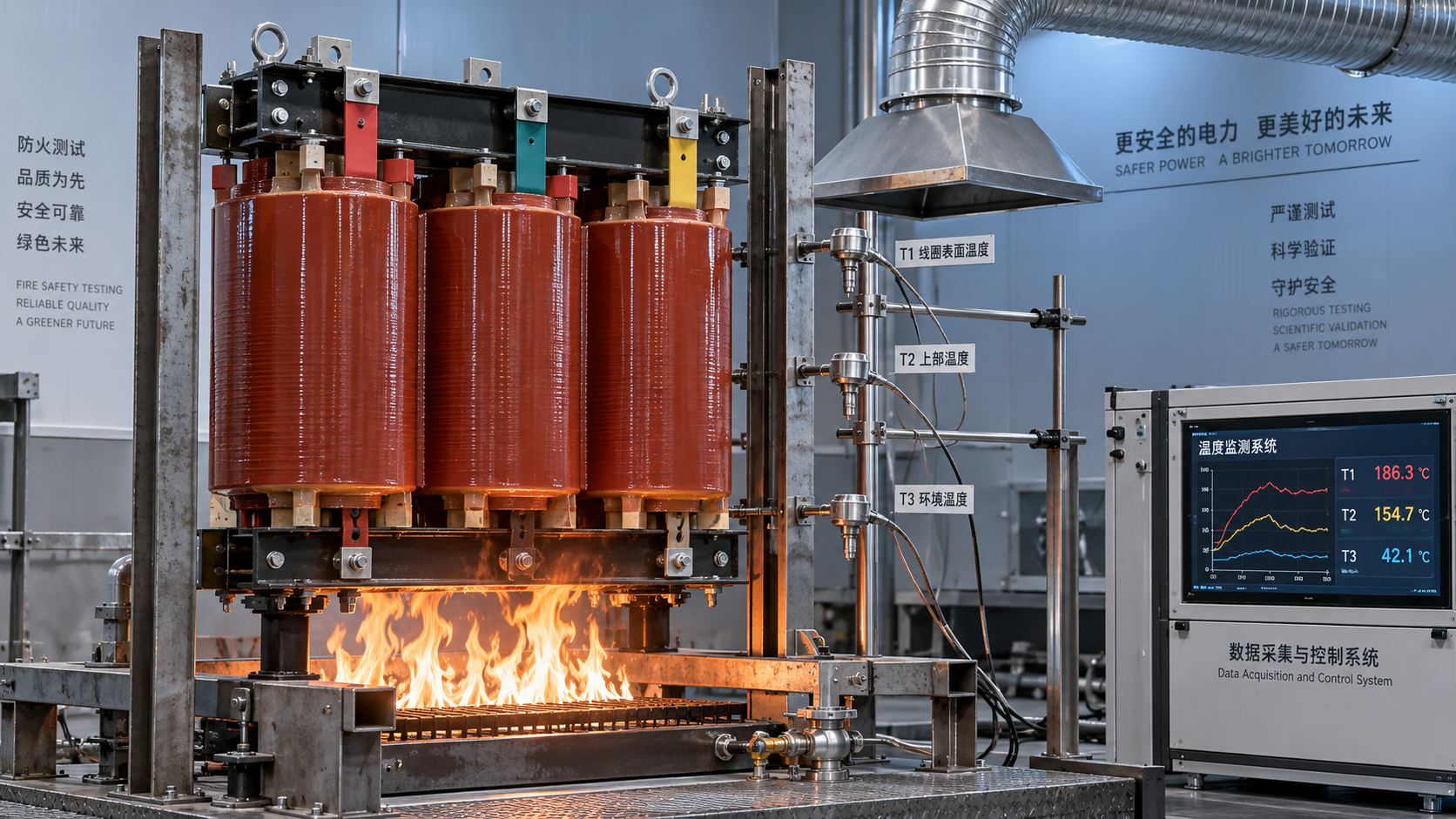
 What an F1 fire behaviour rating means for a flame-retardant transformer
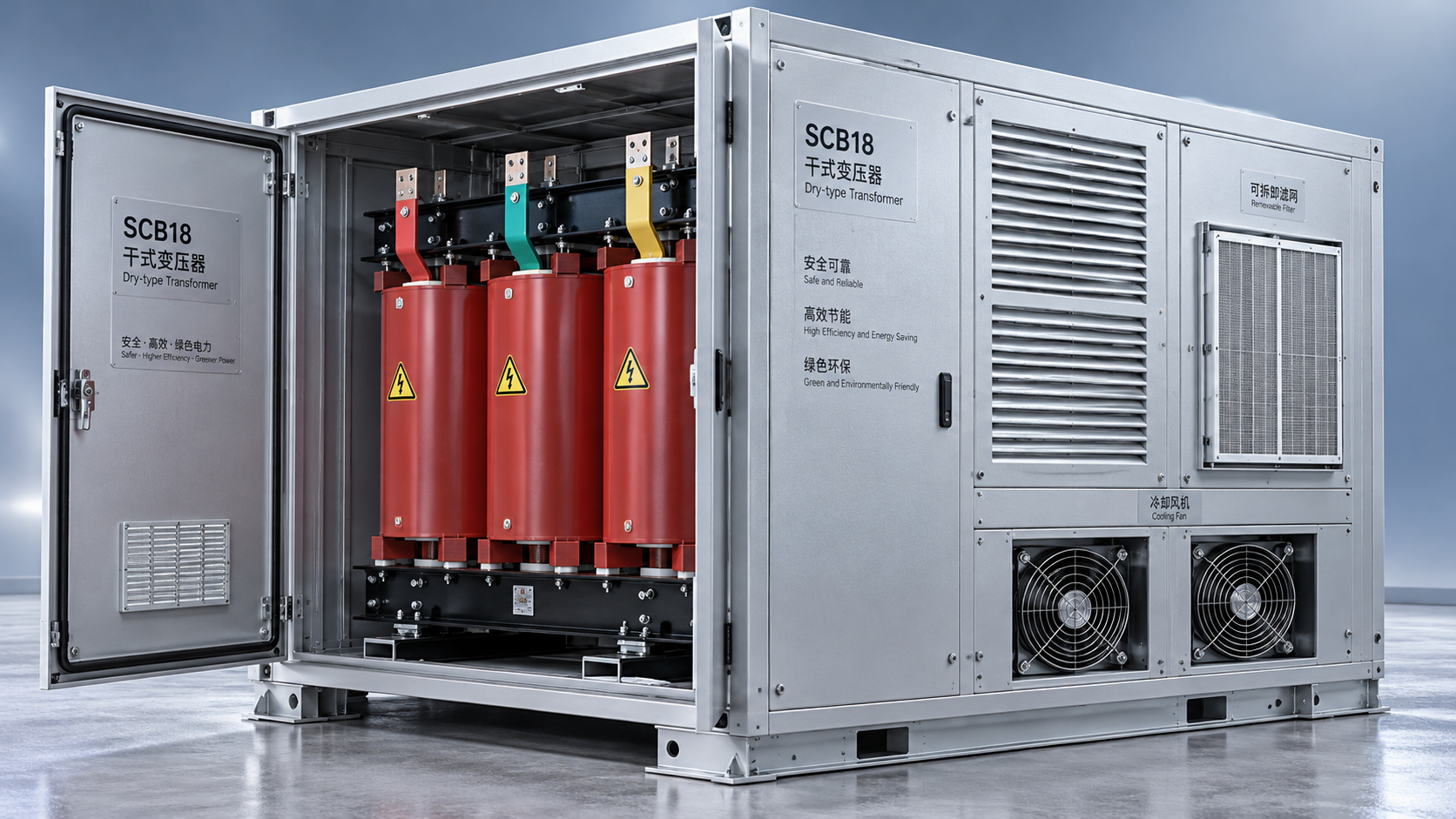
 How enclosure specifications affect SCB18 dry-type transformer cost
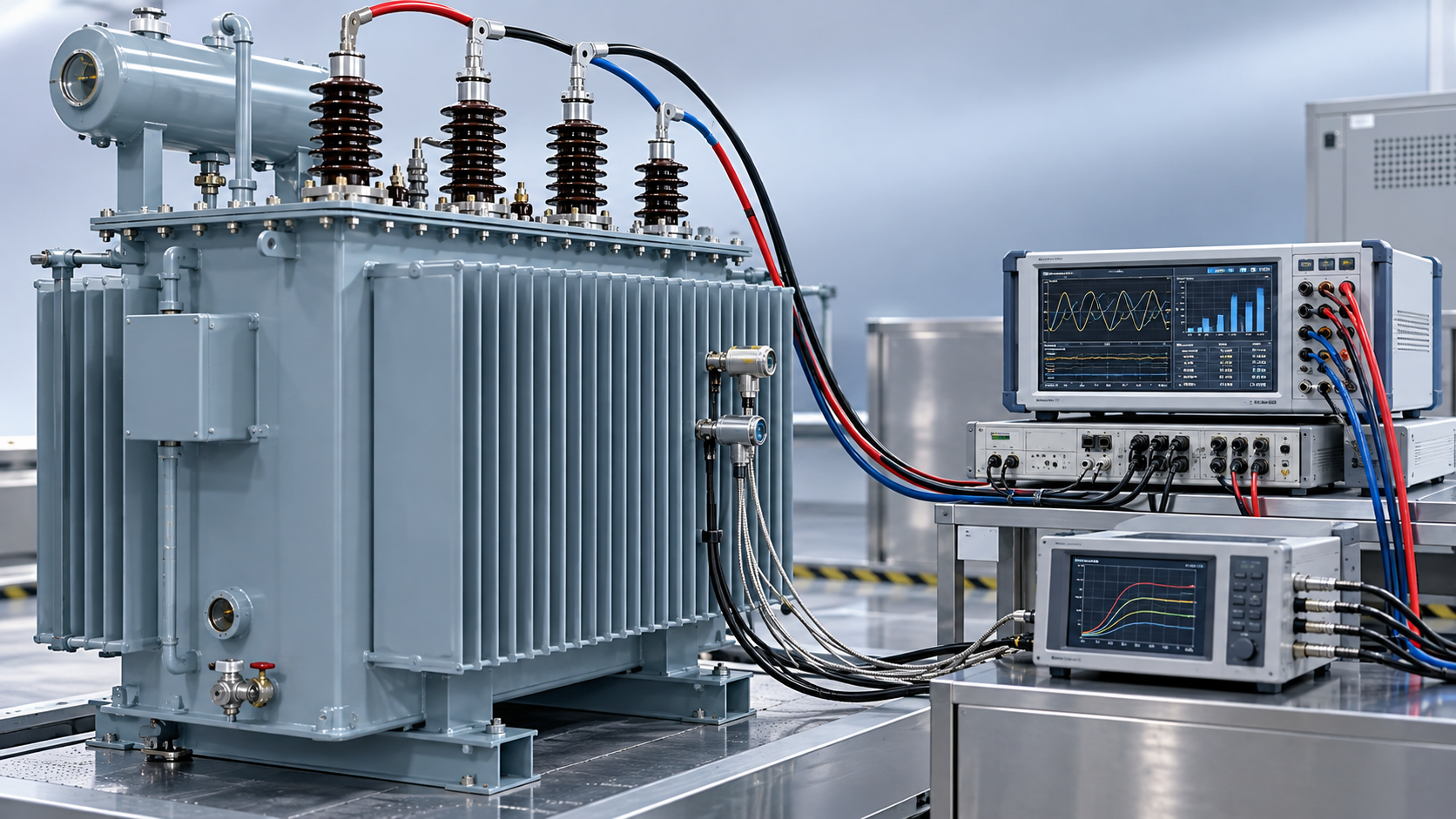
 How to compare loss guarantees for S22 oil-immersed transformers
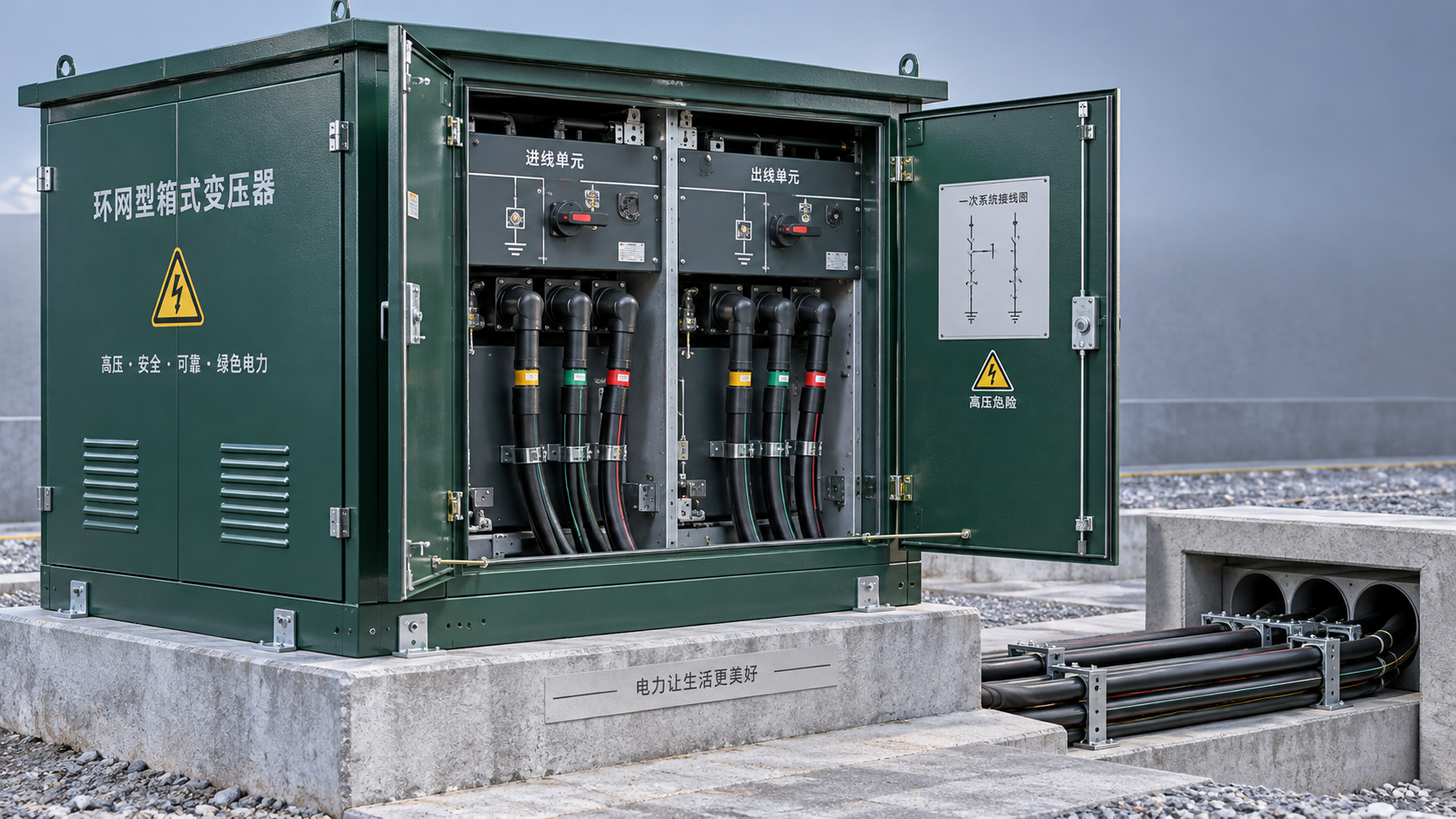
 When to choose a loop-feed pad-mounted transformer over radial feed
 How much spare capacity should a distribution transformer have?
 Checking S13 oil-immersed transformers for renewable inverter loads
GET A FREE QUOTE
We offer reliable products, competitive prices, and nationwide professional support, committed to providing customers with efficient and energy-saving power equipment solutions.