


SCB18 Type Dry-Type Transformer Cost Is Being Evaluated More Strategically
For business evaluators, understanding SCB18 Type Dry-Type Transformer cost means looking beyond the initial purchase price.
While upfront investment may be higher than conventional models, SCB18 transformers often create long-term value through lower losses and steadier operation.
This shift matters because electricity prices, uptime expectations, and safety requirements are all rising at the same time.
As a result, SCB18 Type Dry-Type Transformer cost is now judged through lifecycle economics rather than purchase price alone.
Market Signals Show a Clear Move Toward Lifecycle Cost Thinking
Across power distribution projects, the discussion has changed from “How much does it cost today?” to “What will it cost over ten years?”
That change directly affects how SCB18 Type Dry-Type Transformer cost is compared with older dry-type and oil-immersed alternatives.
Three trend signals stand out.
- Energy efficiency targets are becoming stricter in commercial and industrial facilities.
- Downtime is more expensive, especially in data, healthcare, transit, and process environments.
- Fire safety and indoor installation preferences are increasing demand for dry-type designs.
These conditions make energy loss and reliability more visible in financial evaluations.
Why SCB18 Type Dry-Type Transformer Cost Often Balances Out Over Time
The higher purchase price of SCB18 units is usually linked to improved materials, optimized winding design, and better thermal performance.
Those upgrades matter because transformer ownership cost includes more than equipment acquisition.
When these factors are included, SCB18 Type Dry-Type Transformer cost may become more favorable than a lower-priced alternative.
Efficiency Upgrades Are Reshaping Value Expectations
Energy-saving expectations are no longer optional in many facilities.
This is why buyers increasingly compare efficiency generations, not just nameplate capacity.
For example, some projects also review the SCB13 Type Dry-Type Transformer as a reference point.
Its no-load loss is reduced by more than 20% compared with SCB11, showing how efficiency gains can change operating economics.
Noise levels can also influence value.
Lower acoustic output helps indoor projects, especially where power equipment sits near occupied areas.
This broader comparison trend supports a more realistic view of SCB18 Type Dry-Type Transformer cost over time.
The Impact Extends Beyond Energy Bills Alone
A transformer with lower losses does more than reduce monthly electricity expense.
It can also improve temperature control, reduce insulation stress, and support more stable long-term performance.
That means SCB18 Type Dry-Type Transformer cost should be examined alongside operational continuity.
- Indoor substations benefit from dry-type fire-resistant characteristics.
- Dense urban projects value lower maintenance complexity.
- Critical facilities prefer equipment with strong reliability under variable loads.
- Green building projects often prioritize efficiency and environmental performance together.
Modern dry-type designs may also offer low partial discharge, flame-retardant structure, and self-extinguishing insulation behavior.
These traits can reduce hidden risk costs that do not appear in a simple quotation sheet.
What Should Be Watched Closely During Evaluation
To judge SCB18 Type Dry-Type Transformer cost correctly, several practical points deserve attention.
- Calculate annual energy loss using actual load curves, not ideal assumptions.
- Check no-load and load loss data against operating hours.
- Review ventilation, temperature rise, and site installation conditions.
- Include maintenance intervals and probable outage impacts.
- Confirm standards compliance and quality control capability.
- Compare expected service life with replacement planning cycles.
A supplier with strong engineering and inspection systems can improve confidence in these calculations.
Jiangsu Shengda Power Equipment Co., Ltd. focuses on transformer research, production, and sales with strict quality management and ISO9001 certification.
Its portfolio includes low-loss series, 10KV and 35KV models, dry-type transformers, compact substations, and on-load tap-changing products.
A Practical Way to Compare Cost and Savings Over Time
A simple comparison model can make SCB18 Type Dry-Type Transformer cost easier to understand.
- Start with equipment price and installation cost.
- Add projected annual no-load and load loss expense.
- Add maintenance and downtime risk estimates.
- Project totals across 5, 10, and 15 years.
- Compare results against a lower-cost baseline model.
This method highlights payback timing instead of focusing only on bid price.
In many cases, the extra capital cost is gradually offset by lower operating expense and fewer disruptions.
The Smarter Next Step Is a Lifecycle-Based Review
SCB18 Type Dry-Type Transformer cost should be viewed as a long-term financial and operational decision.
As efficiency standards tighten and reliability becomes more valuable, lifecycle savings are gaining more weight in transformer selection.
The most useful next step is to request a project-specific loss analysis, service life estimate, and operating cost projection.
That approach turns SCB18 Type Dry-Type Transformer cost from a price question into a measurable investment decision.



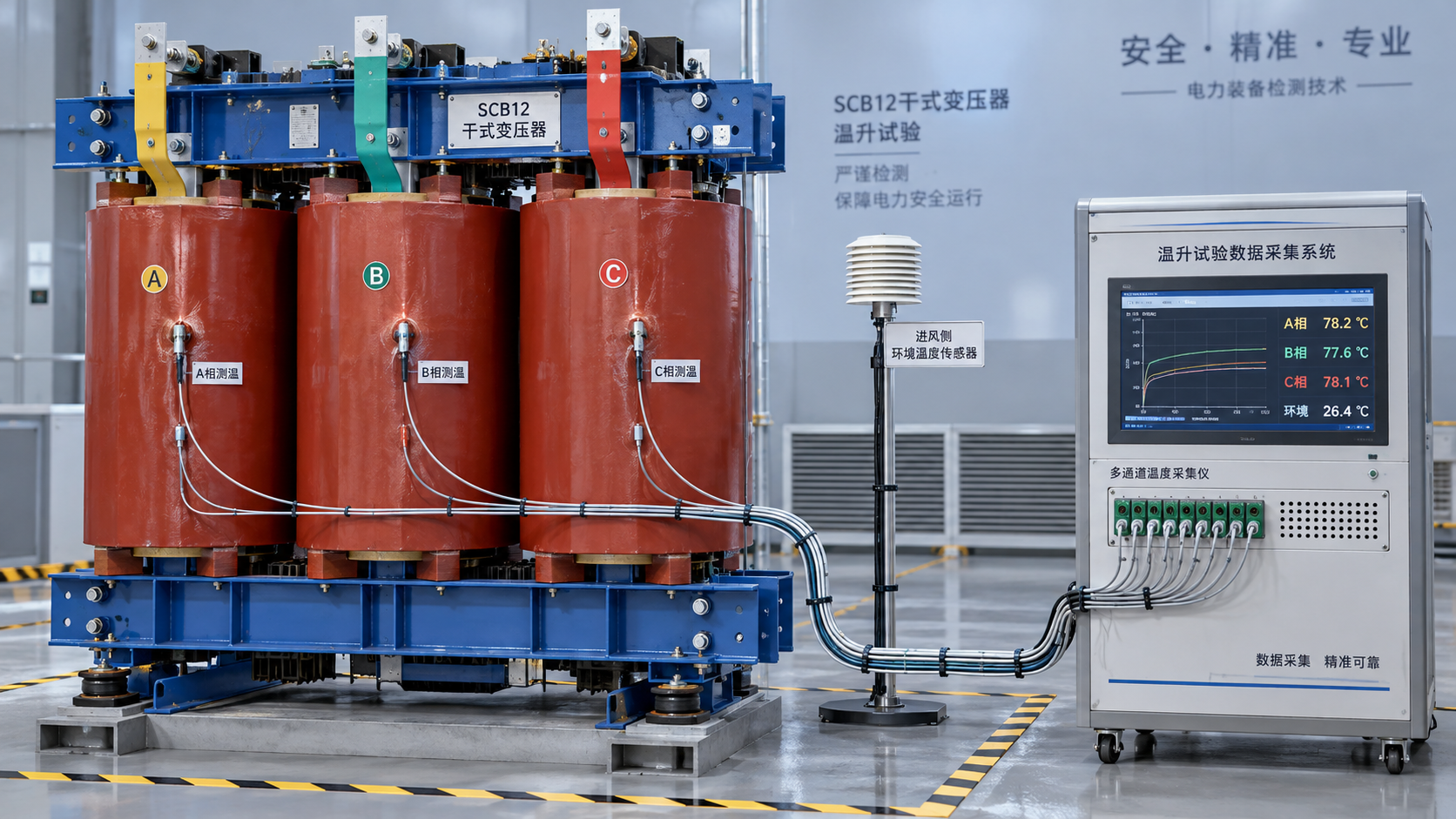
 How to verify the temperature-rise test of an SCB12 dry-type transformer
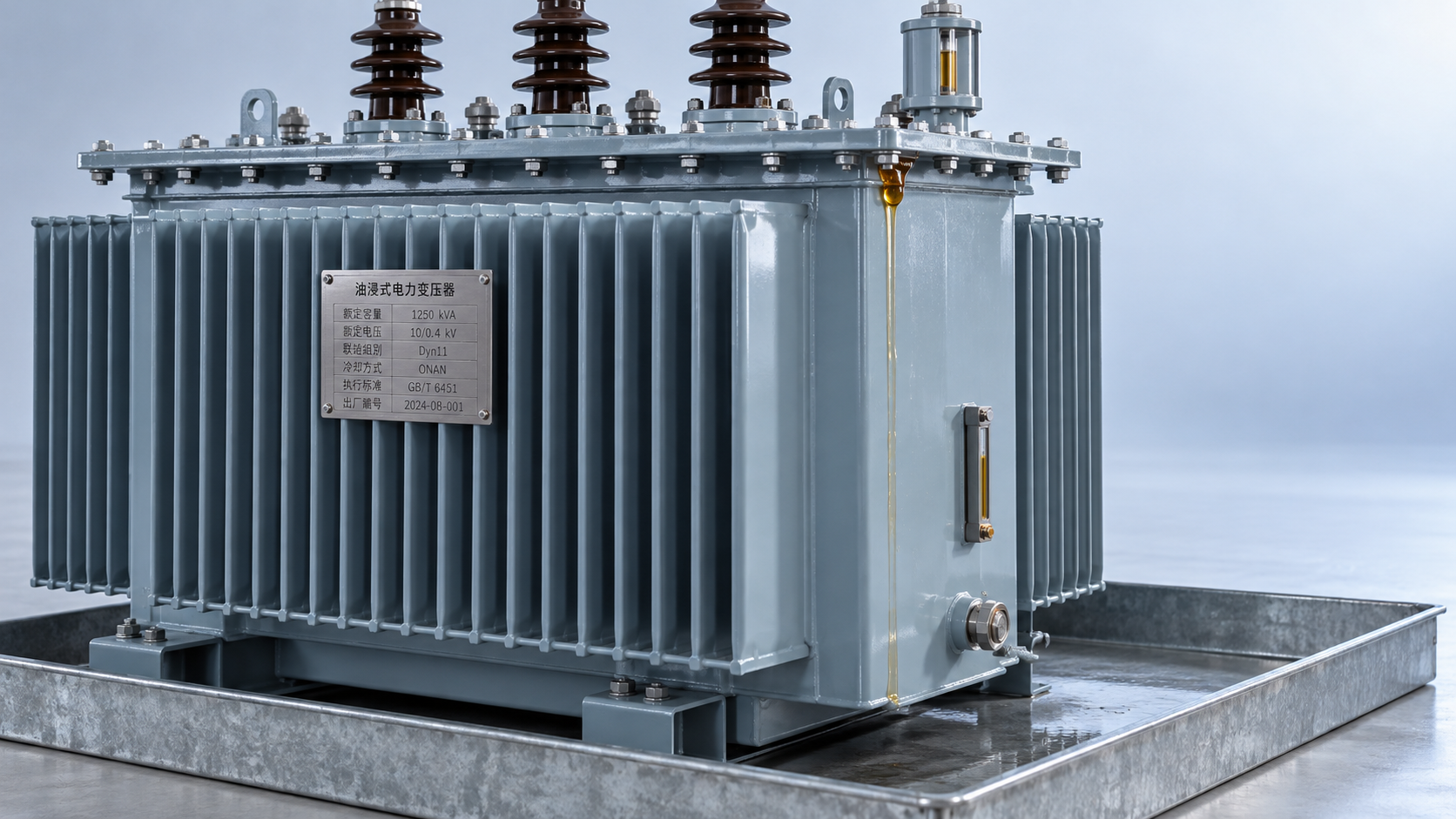
 Distribution transformer maintenance tips for spotting oil leaks
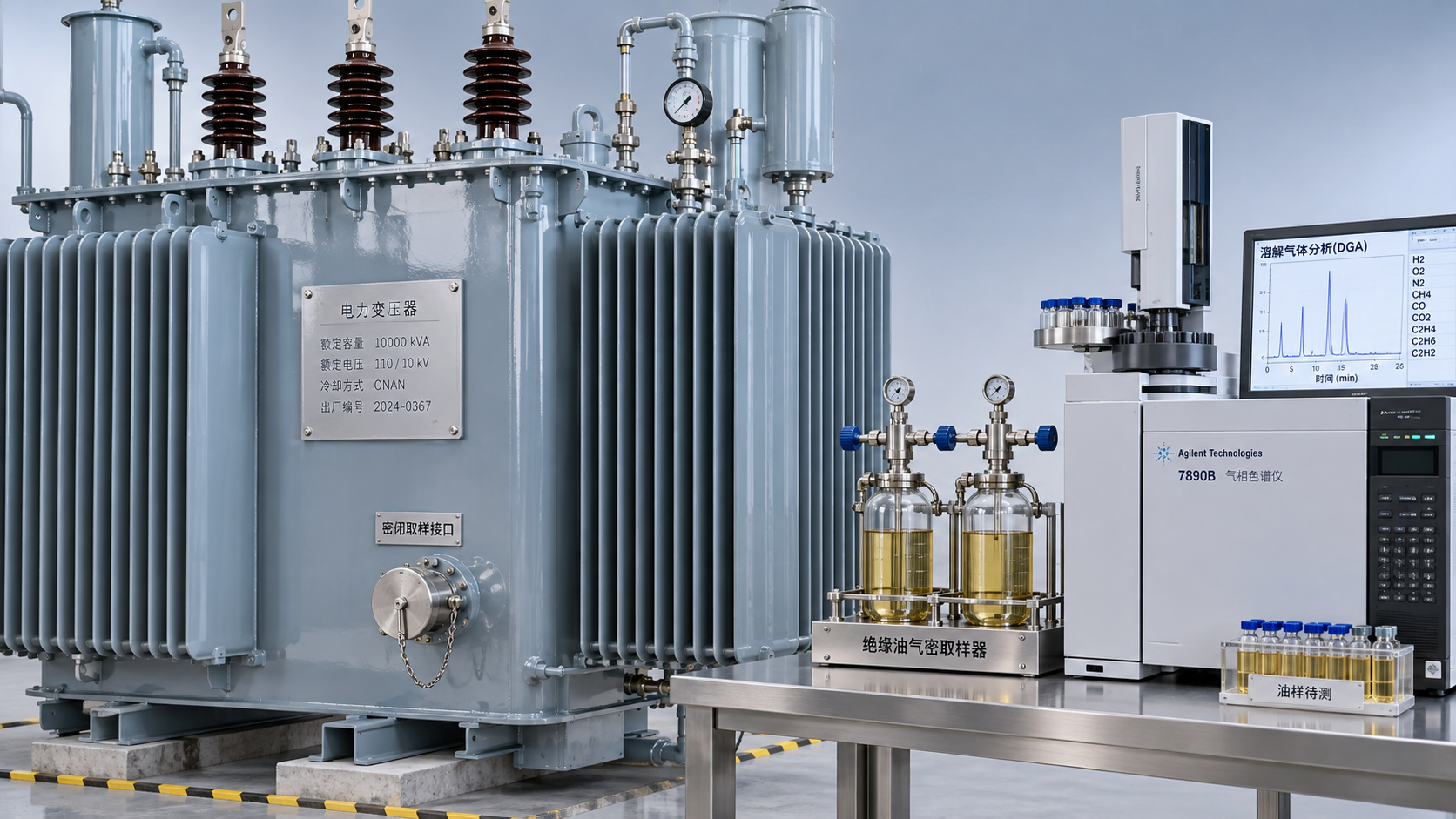
 What dissolved gas analysis reveals about an oil-immersed transformer
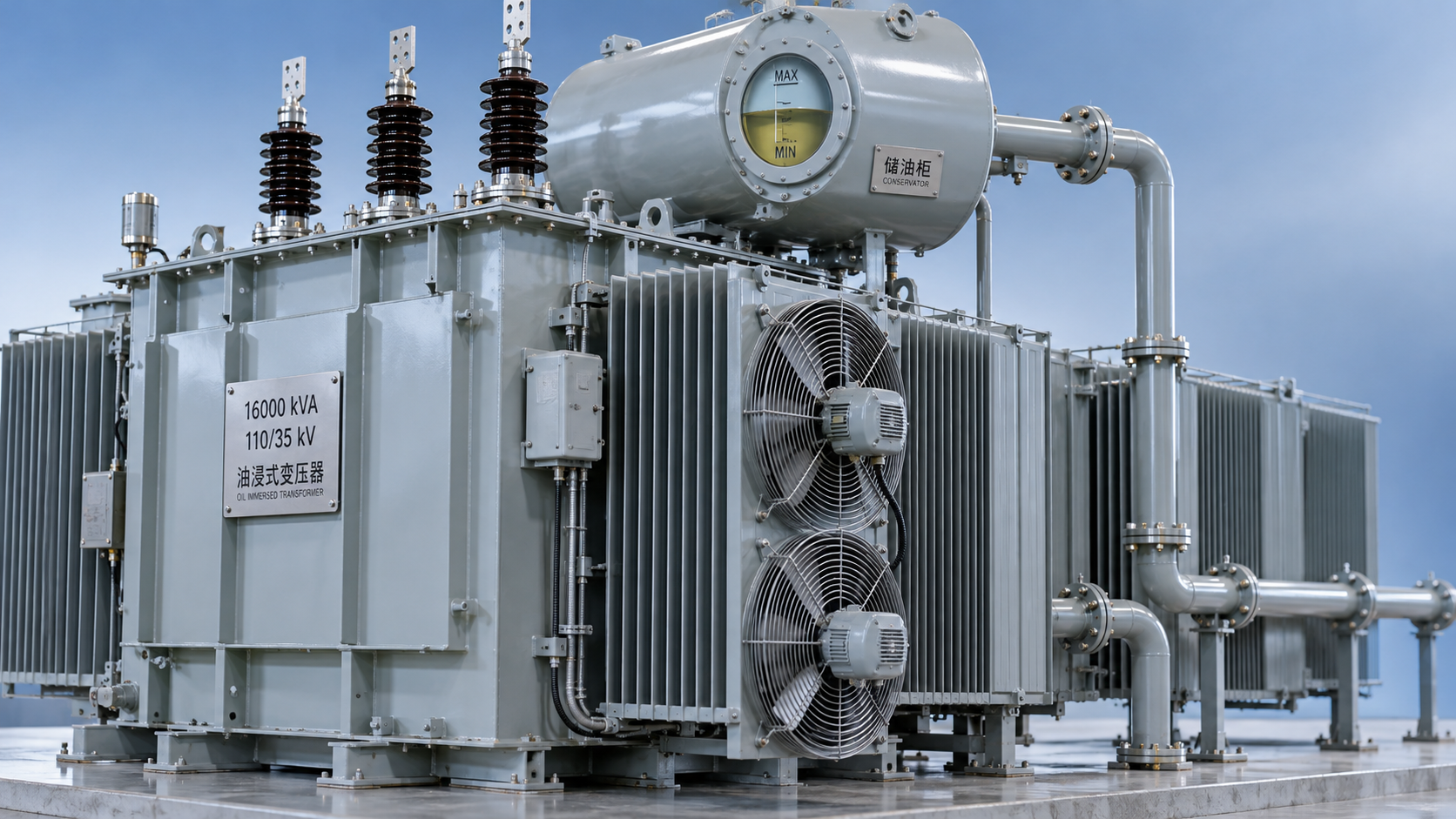
 Why an oil-cooled transformer overheats despite a normal oil level
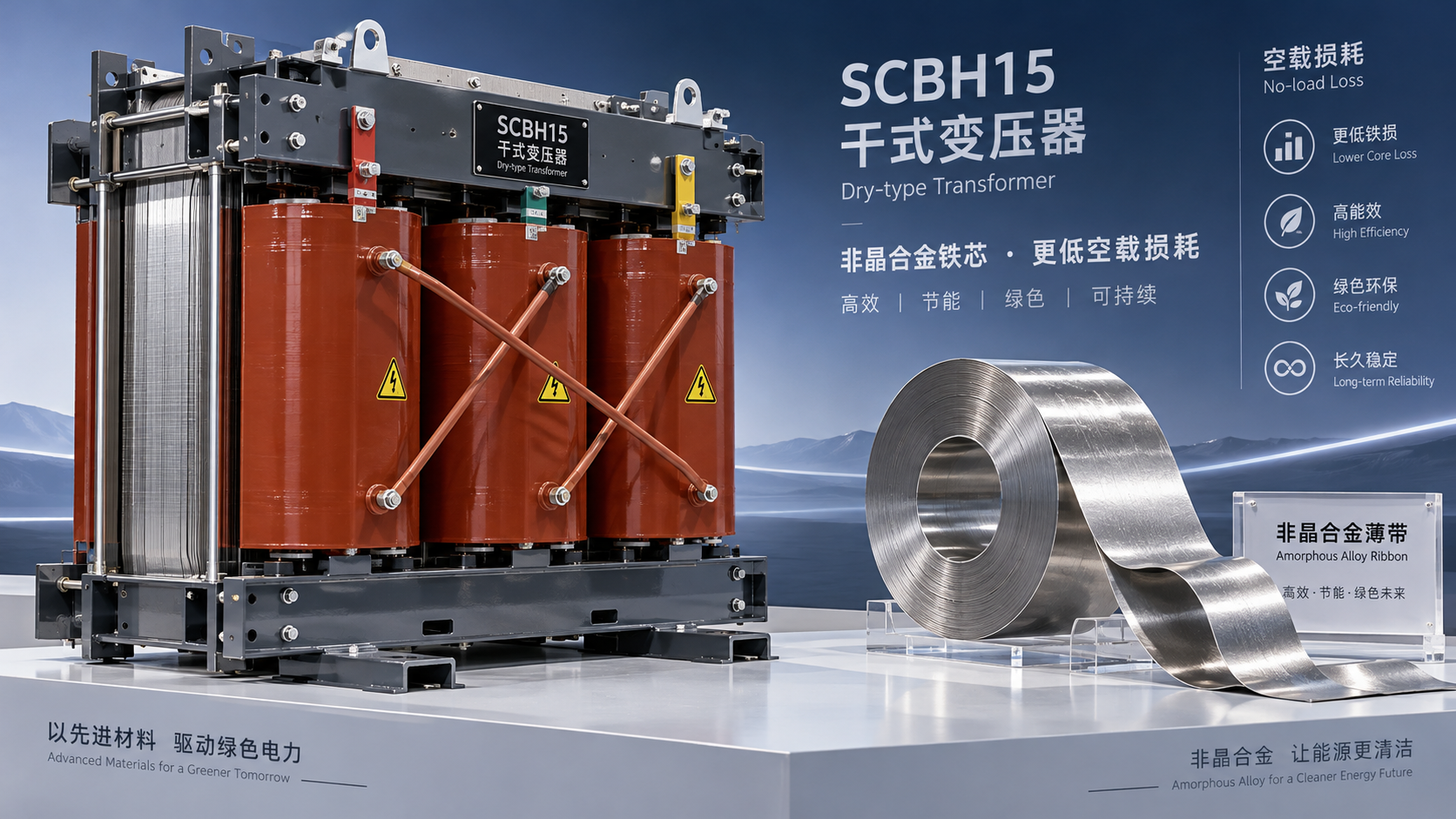
 How the amorphous core affects SCBH15 dry-type transformer losses
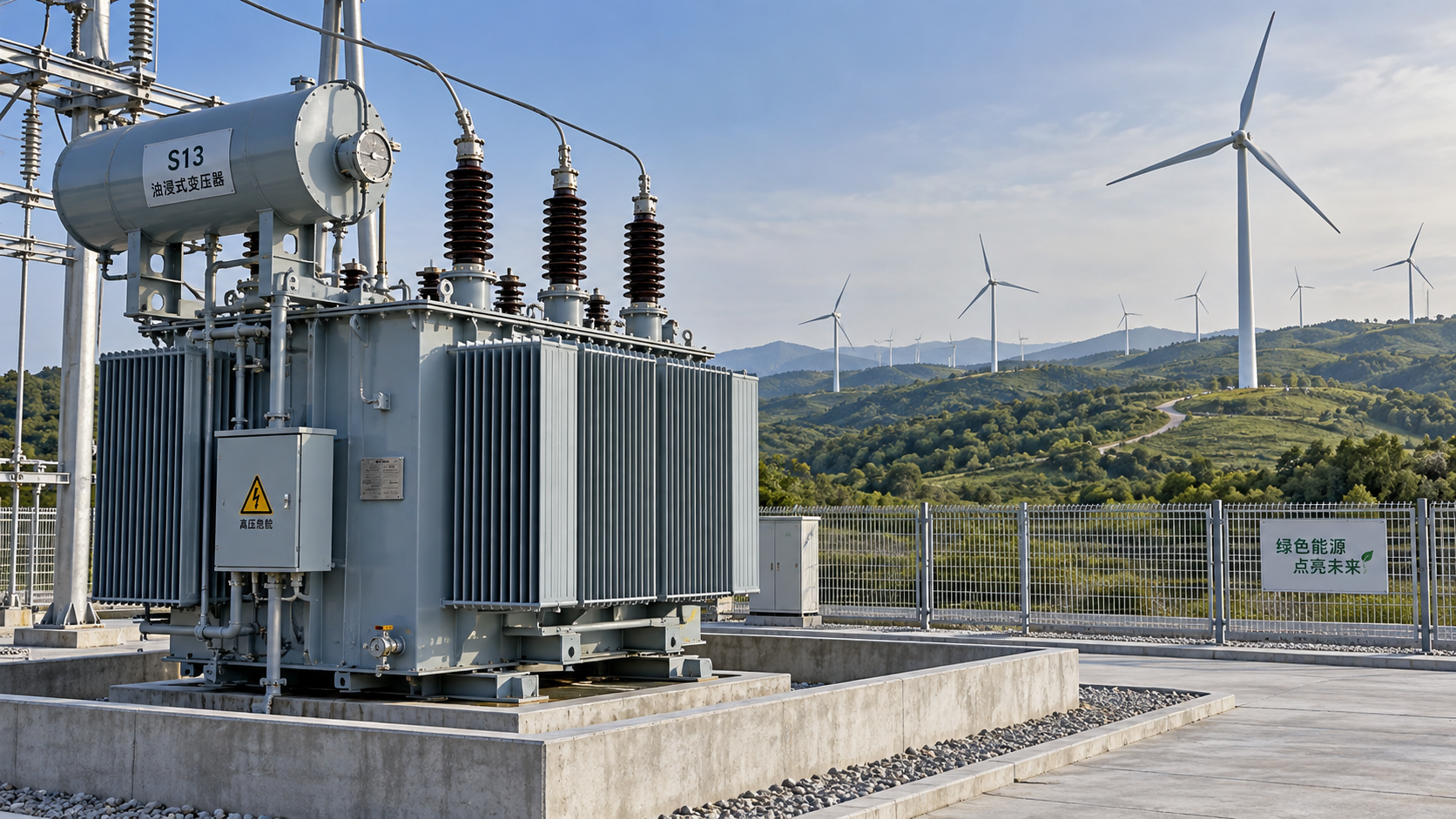
 Sizing S13 oil-immersed transformers for variable wind farm output
GET A FREE QUOTE
We offer reliable products, competitive prices, and nationwide professional support, committed to providing customers with efficient and energy-saving power equipment solutions.