


When a transformer for electrical machine runs at sustained high load, minor abnormalities can turn into serious safety failures. Heat buildup, insulation stress, loose connections, and ventilation problems often develop together. Early recognition of these risks helps reduce outage costs, protect connected equipment, and keep electrical systems stable under demanding conditions.
Why a Checklist Matters in High-Load Transformer Operation
A structured checklist prevents hidden issues from being overlooked during daily inspection. High-load conditions compress the response time between a small defect and a major incident. For any transformer for electrical machine, consistent checks improve safety, extend service life, and support predictable maintenance planning.
This approach is especially important where load fluctuations are frequent, ambient temperature is high, or downtime is unacceptable. Instead of reacting after overheating begins, operators can identify warning signs earlier and correct root causes before insulation damage or conductor deformation occurs.
Core Safety Checklist for High-Load Conditions
- Check load current against rated capacity and review peak demand records. Persistent overload, even if brief each day, accelerates thermal aging and weakens the transformer winding system.
- Measure winding and terminal temperature with calibrated tools. Compare phase-to-phase readings, because uneven temperature rise often indicates loose joints, imbalance, or localized resistance.
- Inspect insulation condition through resistance testing, visual examination, and odor checks. Burnt smell, discoloration, or surface tracking usually signals dangerous overheating inside the unit.
- Verify ventilation paths, cooling fans, and surrounding clearance. Poor airflow can push a transformer for electrical machine beyond safe thermal limits even when electrical loading appears acceptable.
- Tighten cable terminations, busbar joints, and grounding points. Connection looseness creates contact heating, which can trigger arcing, insulation carbonization, and unexpected shutdowns.
- Monitor abnormal noise and vibration during peak operation. Changes in sound profile may indicate core looseness, electromagnetic stress, or mechanical distortion under heavy current.
- Review protective relay settings and trip history. Delayed or incorrect protection can allow a high-load fault to expand into a severe transformer failure.
- Record humidity, dust level, and corrosive exposure around the installation site. Environmental contamination increases surface leakage and raises the risk of flashover during thermal stress.
High-Load Hazards in Different Applications
Commercial Buildings and Public Facilities
In high-rise buildings, airports, shopping centers, and hospitals, load peaks often coincide with HVAC demand, elevators, lighting, and emergency systems. Here, a transformer for electrical machine may face long periods of near-rated operation with limited cooling space.
Fire safety is a major concern in enclosed indoor installations. Dry-type designs are often selected because they reduce smoke and fire spread risk. In such applications, Non-Encapsulated Dry-Type Transformer solutions can be valuable where fire resistance, simple maintenance, and dependable overload capacity are required.
Industrial and Heavy-Duty Sites
Power plants, metallurgical facilities, docks, and petrochemical sites create harsh thermal and mechanical conditions. Frequent motor starts, harmonics, and sudden load transfer can stress winding insulation far more than steady-state current values suggest.
In humid or polluted environments near rivers, seas, or industrial emissions, surface contamination becomes a hidden risk multiplier. A dry-type transformer with H-class insulation, strong short-circuit resistance, and reliable performance in high humidity can reduce safety exposure under difficult operating conditions.
Commonly Ignored Risk Points
Ignoring short-term overload repetition. Many systems tolerate occasional peaks, but repeated peaks create cumulative thermal aging. Even when trips do not occur, insulation life may drop much faster than expected.
Assuming normal exterior appearance means safe internal condition. Internal hot spots, partial discharge, and local winding deformation may not show obvious external damage until failure is close.
Overlooking environmental effects. Dust, moisture, and corrosive particles reduce insulation margins. For indoor substations and transport hubs, contamination control is as important as electrical testing.
Delaying maintenance after minor alarms. A small increase in noise, smell, or temperature trend should trigger immediate review. Waiting for a shutdown event usually raises repair cost and safety risk.
Practical Actions to Prevent High-Load Failures
- Set alarm thresholds for temperature rise, load imbalance, and ventilation failure. Use trend analysis rather than single readings to identify developing problems.
- Schedule infrared inspections during actual peak demand periods. Hot spots often remain invisible during light-load maintenance windows.
- Clean air passages, insulation surfaces, and connection areas regularly. This is especially important in railway stations, subways, and industrial production zones.
- Match transformer design to the operating environment. Where heavy load, fire protection, and humidity resistance are essential, select proven dry-type structures with certified materials and robust overload capability.
- Confirm compliance with recognized quality standards. Products built under strict inspection systems and international standards offer more predictable performance under long-term electrical stress.
Final Safety Guidance
Safe high-load operation depends on disciplined inspection, fast response to abnormal signals, and the right equipment selection. Every transformer for electrical machine should be evaluated not only by rated capacity, but also by cooling conditions, insulation margin, environment, and overload pattern.
For installations facing dense occupancy, demanding fire codes, or harsh humidity, review whether the current unit is suitable for the actual duty cycle. A well-designed dry-type option, including SG(B)10 series configurations with vacuum impregnation, flame-retardant performance, and strong short-circuit withstand capability, can support safer and more stable long-term service.
The next step is simple: build a repeatable inspection checklist, compare real load behavior with design assumptions, and correct thermal or connection risks before they become failures. That is the most effective way to keep critical transformer systems safe, efficient, and reliable.



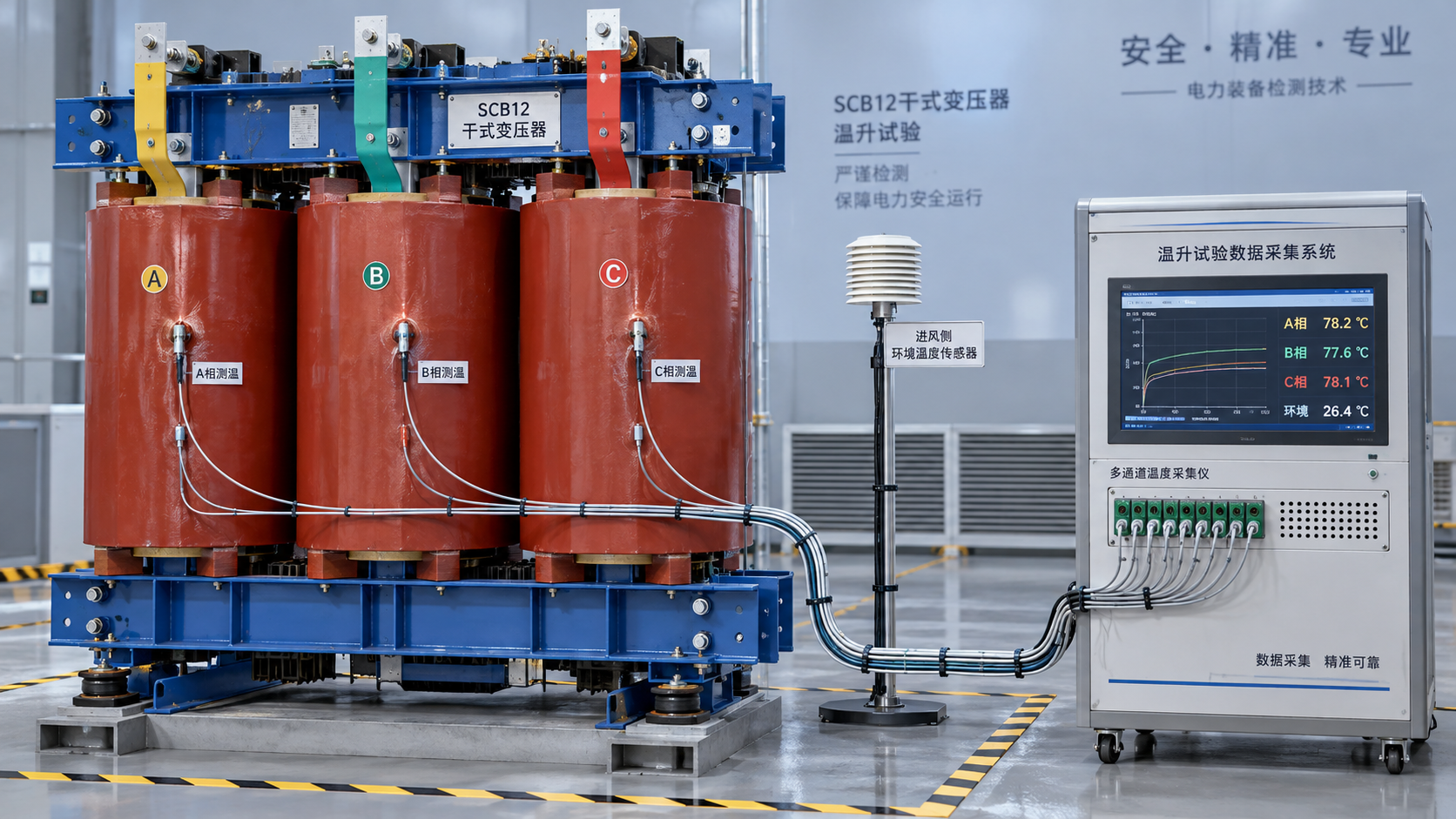
 How to verify the temperature-rise test of an SCB12 dry-type transformer
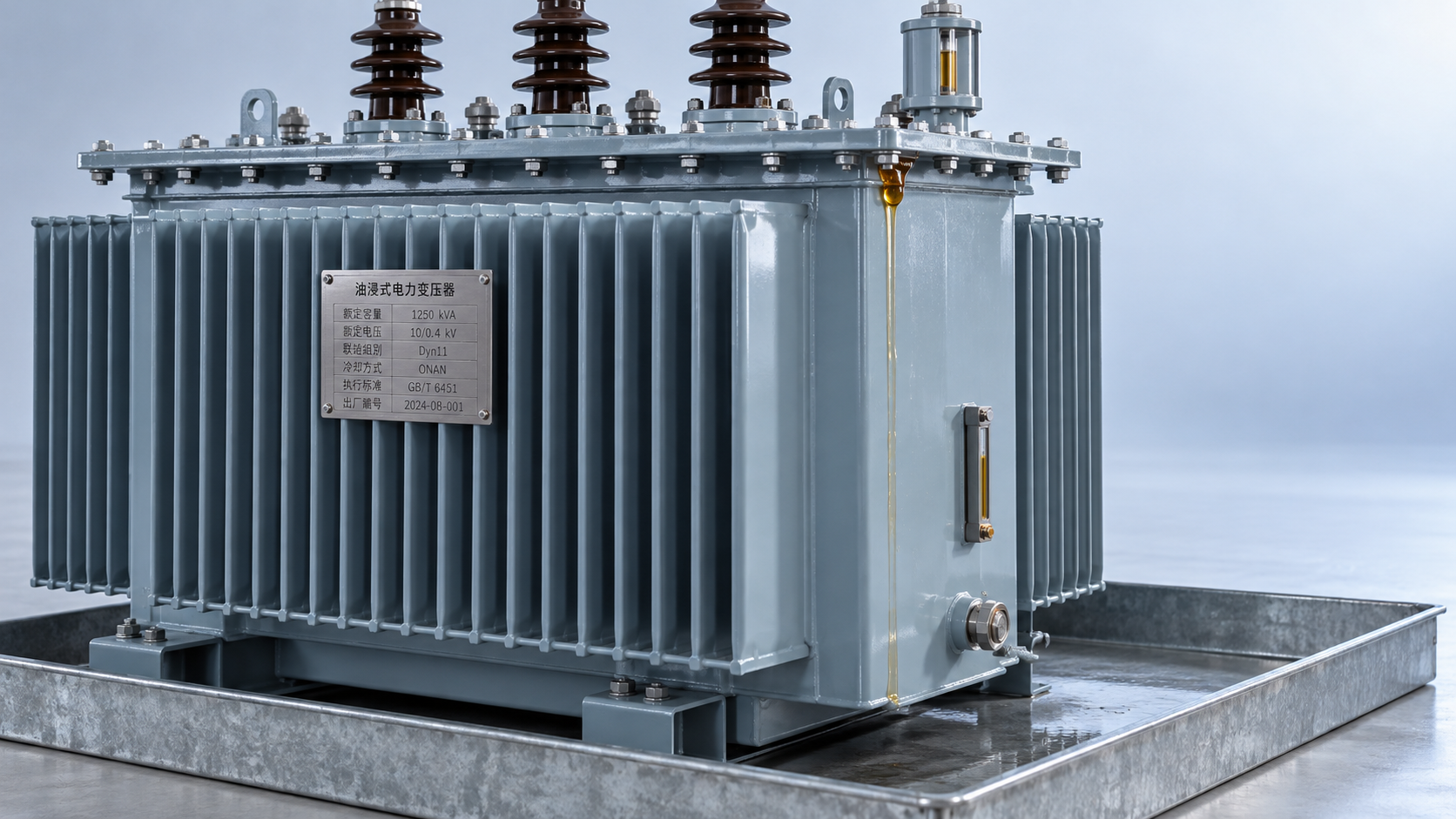
 Distribution transformer maintenance tips for spotting oil leaks
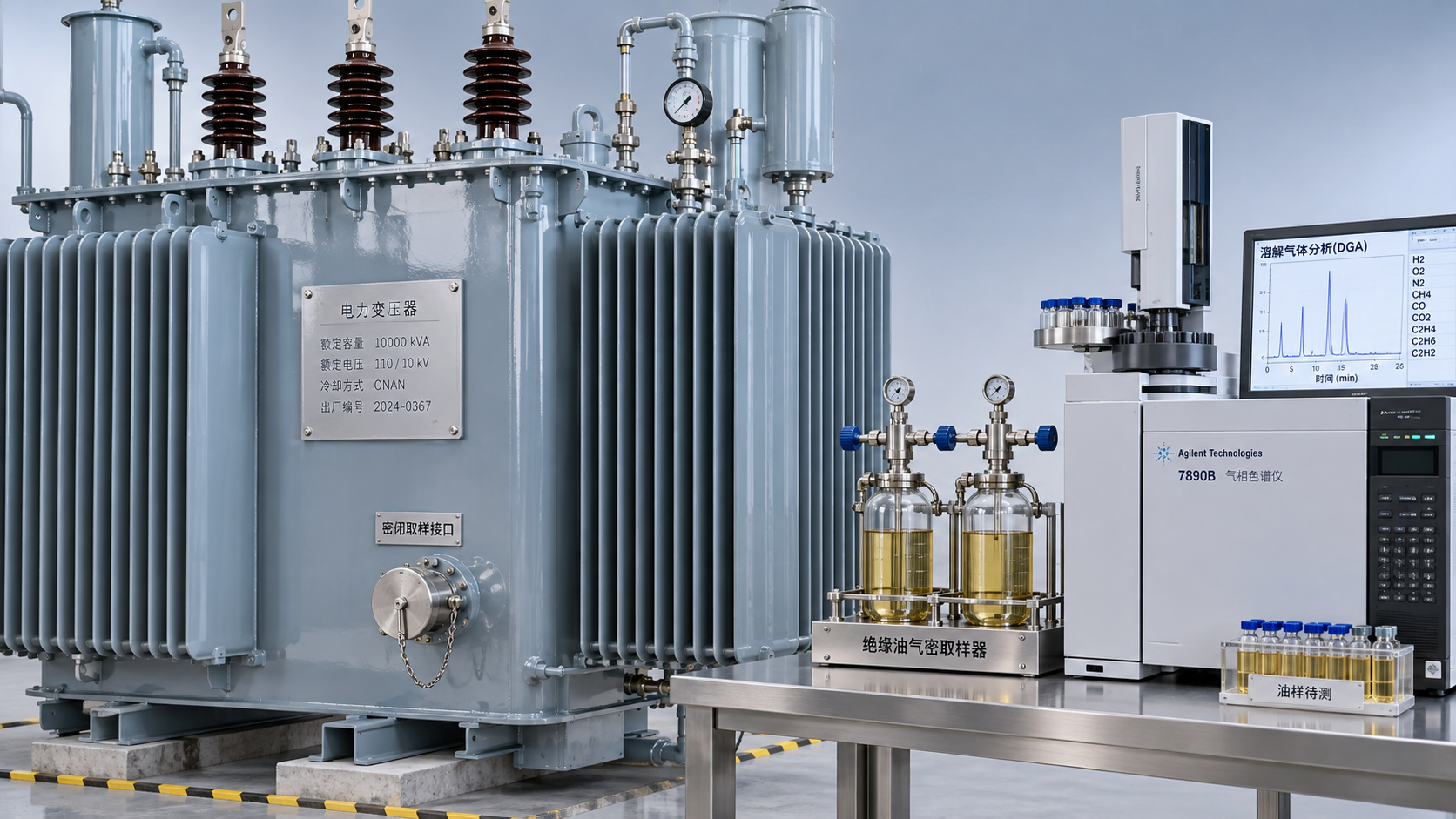
 What dissolved gas analysis reveals about an oil-immersed transformer
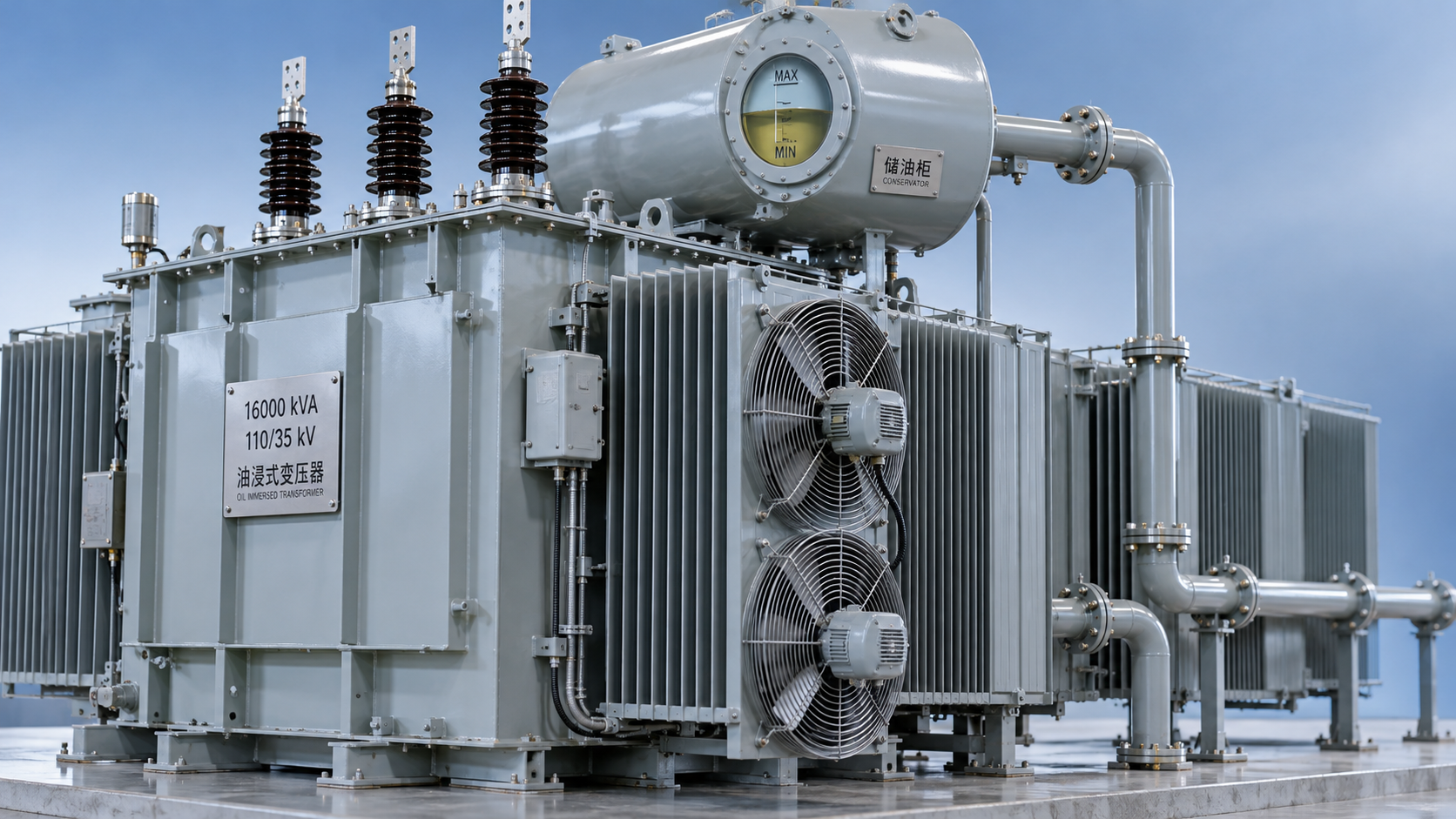
 Why an oil-cooled transformer overheats despite a normal oil level
 How the amorphous core affects SCBH15 dry-type transformer losses
 Sizing S13 oil-immersed transformers for variable wind farm output
GET A FREE QUOTE
We offer reliable products, competitive prices, and nationwide professional support, committed to providing customers with efficient and energy-saving power equipment solutions.