


Understanding dry-type transformer insulation classes is essential as power systems face higher load density, stricter safety rules, and rising efficiency expectations.
Insulation class now influences more than temperature resistance. It affects transformer lifetime, fire performance, maintenance strategy, acoustic behavior, and total operating cost.
For industrial plants, commercial buildings, renewable projects, and utility distribution, insulation choices are becoming a long-term reliability decision.
Why Dry-Type Transformer Insulation Classes Are Gaining More Attention
Dry-type transformers are increasingly selected where fire safety, indoor installation, environmental protection, and low maintenance are important.
This shift makes dry-type transformer insulation classes a core technical parameter, not a secondary specification.
A dry-type transformer depends on solid insulation and air cooling, rather than oil as a cooling and insulating medium.
Because heat moves differently, insulation thermal endurance directly affects winding protection and service life.
When the selected insulation class is too low, aging accelerates and dielectric strength may decline faster.
When the class is properly matched, the transformer can handle designed thermal stress with stable performance.
Key Insulation Classes Used in Dry-Type Transformers
Insulation class indicates the maximum temperature that insulating materials can withstand under defined operating conditions.
Common dry-type transformer insulation classes include Class B, Class F, and Class H.
Class F insulation is widely used because it provides a strong balance between cost, performance, and thermal durability.
Class H insulation offers a higher thermal ceiling, often preferred for harsh environments or limited ventilation conditions.
The right choice depends on ambient temperature, load profile, ventilation, altitude, harmonic content, and expected operating life.
The Trend Behind Higher Thermal Margins
Power distribution equipment is being installed in more compact spaces, including basements, data centers, hospitals, rail systems, and clean facilities.
These locations often require safer, quieter, and more reliable transformer operation with less maintenance access.
As a result, higher-grade dry-type transformer insulation classes are becoming more valuable in project design.
- Higher building power density increases winding temperature stress.
- Variable loads create repeated heating and cooling cycles.
- Fire safety requirements encourage non-oil transformer solutions.
- Energy efficiency rules push designs toward lower losses.
- Noise control expectations affect indoor transformer selection.
This trend does not mean every application needs the highest insulation class.
It means insulation must be evaluated with the real operating environment, not only rated capacity.
Temperature Rise Is as Important as Insulation Class
A common mistake is reading insulation class without checking the permitted temperature rise.
Insulation class defines material endurance, while temperature rise indicates how hot the winding becomes during operation.
For example, a transformer may use Class F insulation but be designed for a lower temperature rise.
That design creates thermal reserve, which can improve aging performance and overload tolerance.
In practice, thermal reserve is increasingly valued in projects with uncertain load growth.
It helps reduce the risk of premature insulation aging when demand expands after commissioning.
How Insulation Materials Affect Safety and Reliability
Dry-type transformer insulation systems often include epoxy resin, glass fiber, insulating paper, varnish, and structural supports.
Material quality and manufacturing control determine whether the insulation performs consistently under electrical and thermal stress.
Partial discharge control is especially important in cast resin dry-type transformers.
Air voids inside insulation can create local electrical stress, causing gradual deterioration over time.
Advanced vacuum casting, degassing, and curing processes help reduce this risk.
Jiangsu Shengda Power Equipment Co., Ltd. focuses on transformer R&D, production, and quality inspection.
Its products comply with standards including GB1094.1-2-1996 and GB/T6451-2008, supported by ISO9001 certification.
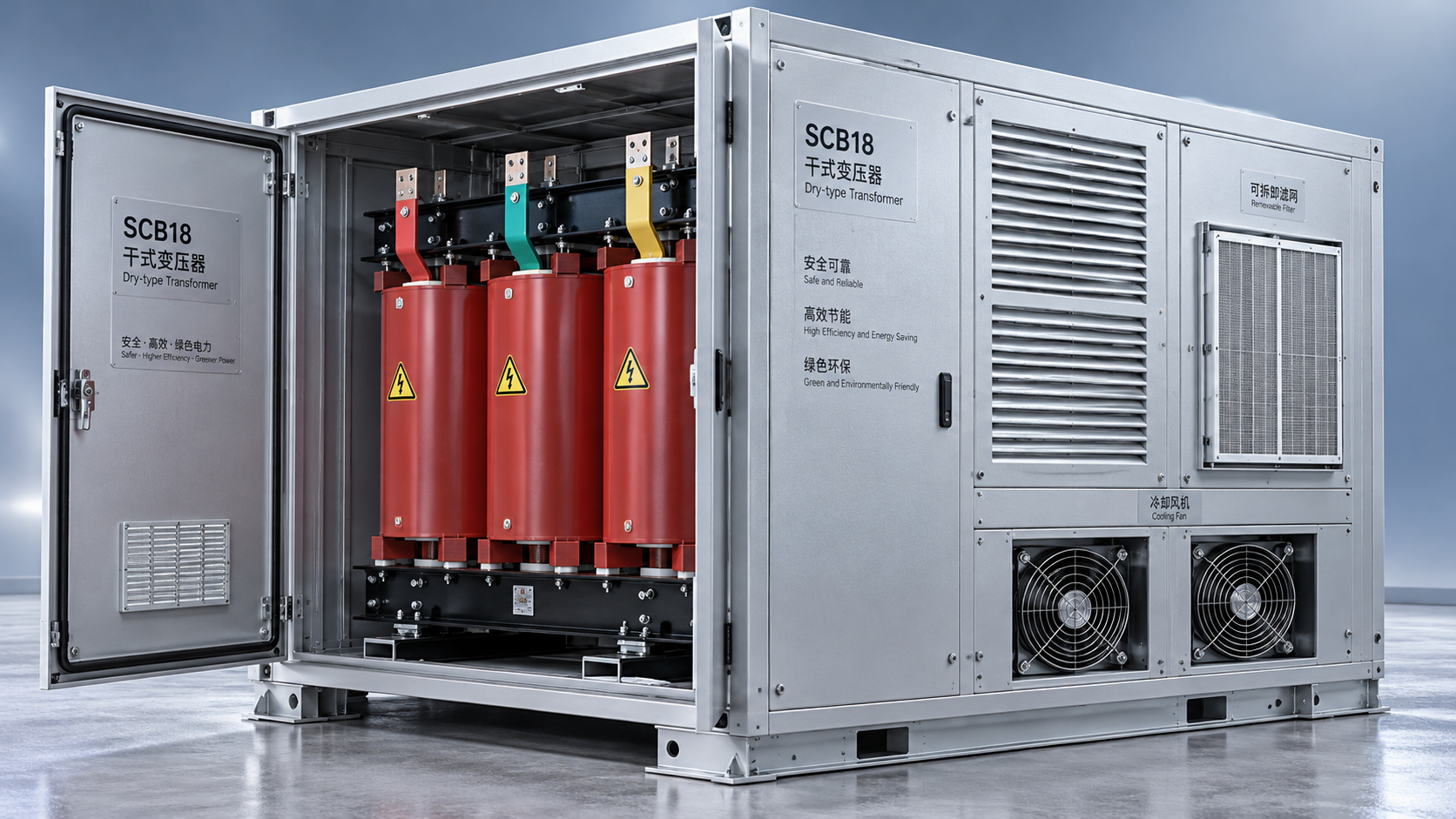
For applications requiring low loss and low noise, the SCB13 Type Dry-Type Transformer provides a relevant example.
Its no-load loss is reduced by more than 20% compared with the SCB11 model.
Its noise level is 10–15 decibels lower than JB/T1008B-2016 requirements for transformer sound levels.
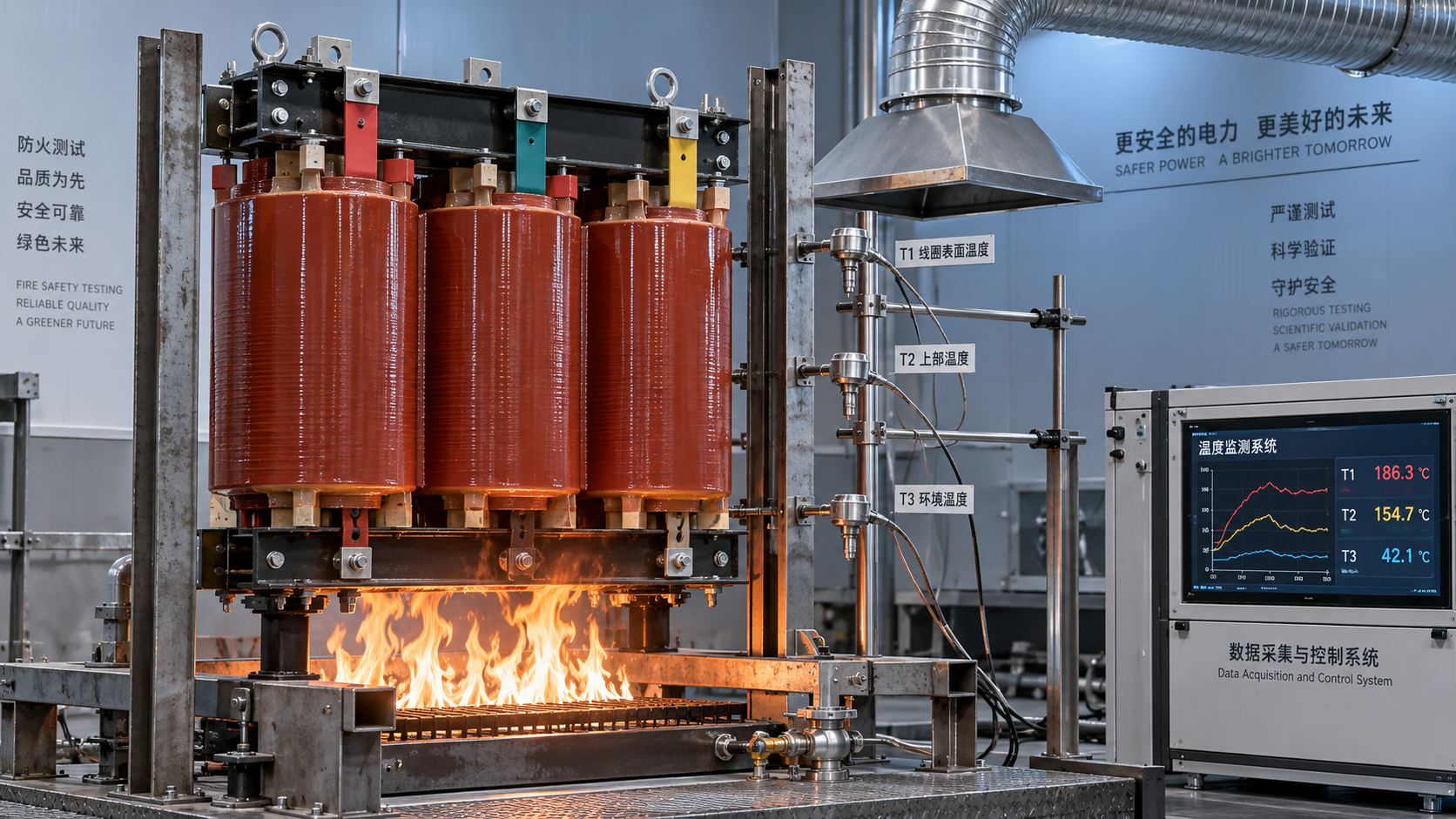
The resin system supports extremely low partial discharge, flame retardance, and self-extinguishing behavior.
Impact on System Design and Operating Cost
Dry-type transformer insulation classes influence several business and engineering decisions across the equipment lifecycle.
- Design: Higher thermal margin may reduce derating pressure.
- Installation: Better insulation performance supports indoor and compact layouts.
- Operation: Lower hot-spot stress can extend expected service life.
- Maintenance: Stable insulation reduces inspection concerns related to aging.
- Cost: Energy loss, downtime risk, and replacement timing all matter.
A lower initial transformer price may not deliver the lowest lifetime cost.
Insulation aging, excessive heat, and poor partial discharge performance can increase long-term risk.
Therefore, insulation class should be evaluated together with losses, noise, enclosure protection, and cooling method.
What to Check Before Selecting an Insulation Class
Selection should begin with operating conditions, not only nameplate capacity.
- Confirm maximum ambient temperature and ventilation quality.
- Review continuous load and short-term overload requirements.
- Check harmonic distortion from drives or power electronics.
- Evaluate altitude, dust, humidity, and corrosive exposure.
- Compare temperature rise, not only insulation class rating.
- Request partial discharge data for cast resin designs.
- Verify applicable standards, tests, and quality certifications.
These checks help avoid overspecification and underspecification.
They also make dry-type transformer insulation classes easier to compare across different suppliers and models.
Practical Decision Direction for Future Projects
The most reliable choice is usually not based on a single specification.
It comes from matching dry-type transformer insulation classes with actual site conditions and lifecycle expectations.
Next Step for Better Transformer Selection
Before finalizing a dry-type transformer, prepare load data, installation conditions, ventilation details, and required standards.
Then compare insulation class, temperature rise, loss level, noise, partial discharge, and safety characteristics together.
This approach supports safer operation, longer service life, and better energy performance in modern power distribution systems.
Jiangsu Shengda Power Equipment Co., Ltd. provides dry-type transformers, oil-immersed transformers, compact substations, and related power solutions.
For upcoming projects, request technical parameters early and align the insulation system with real operating demands.



 What an F1 fire behaviour rating means for a flame-retardant transformer
 How enclosure specifications affect SCB18 dry-type transformer cost
 How to compare loss guarantees for S22 oil-immersed transformers
 When to choose a loop-feed pad-mounted transformer over radial feed
 How much spare capacity should a distribution transformer have?
 Checking S13 oil-immersed transformers for renewable inverter loads
GET A FREE QUOTE
We offer reliable products, competitive prices, and nationwide professional support, committed to providing customers with efficient and energy-saving power equipment solutions.