


Why does a dry-type transformer matter in modern power distribution?
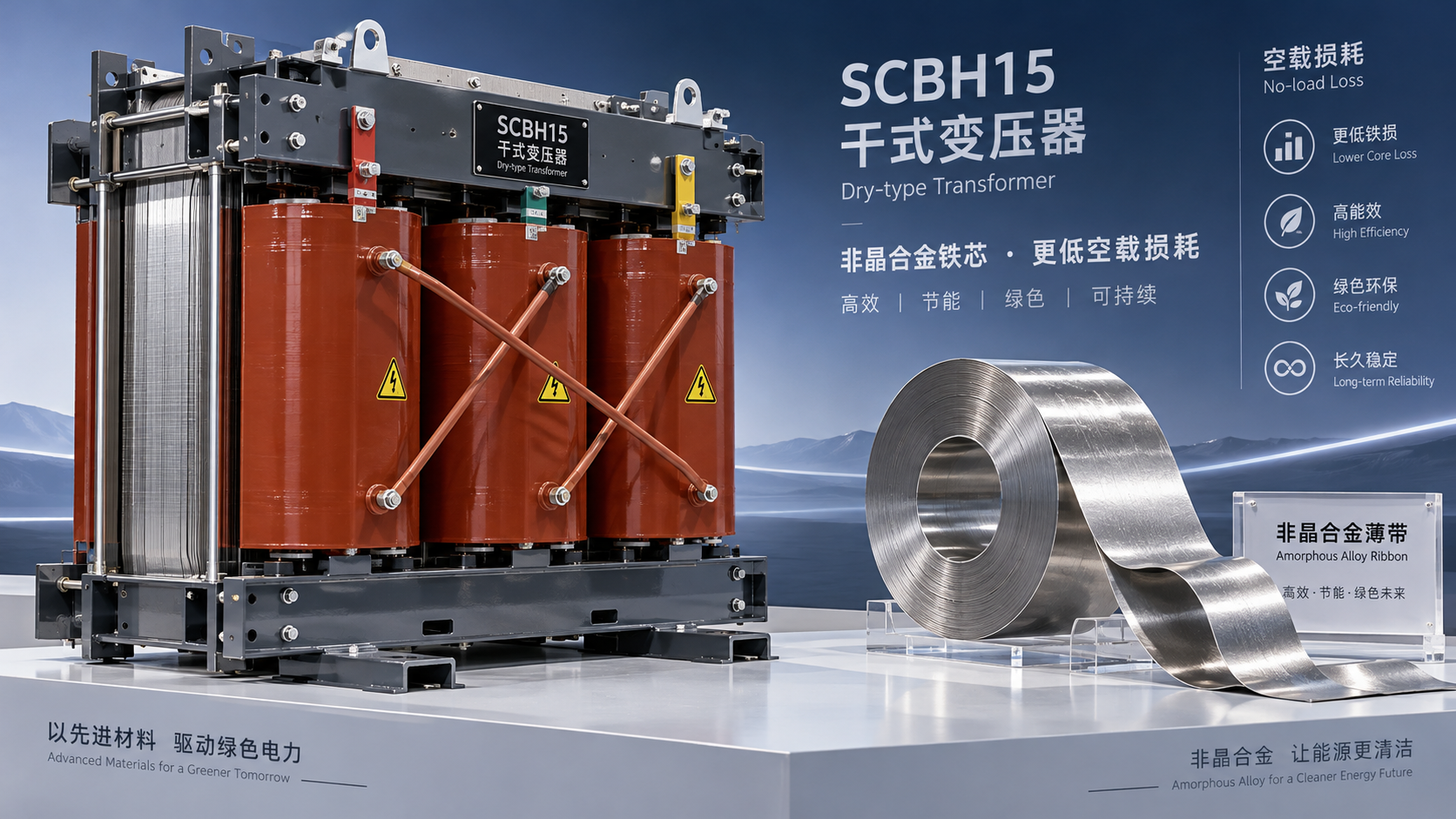
A dry-type transformer is designed to transfer electrical energy without using insulating oil for cooling.
Instead, it relies on air circulation and solid insulation materials.
That difference sounds simple, but it changes where the transformer fits best.
In indoor projects, fire safety, cleaner operation, and easier routine care often matter more than anything else.
That is why the dry-type transformer is widely used in schools, hospitals, office buildings, factories, and renewable energy systems.
It is also a practical choice where oil leakage risk, ventilation limits, or environmental concerns need tighter control.
In actual projects, the question is rarely just what it is.
The more useful question is where it performs well, where it does not, and how to judge fit before specification.
So what exactly makes a dry-type transformer different?
The key difference is the cooling and insulation method.
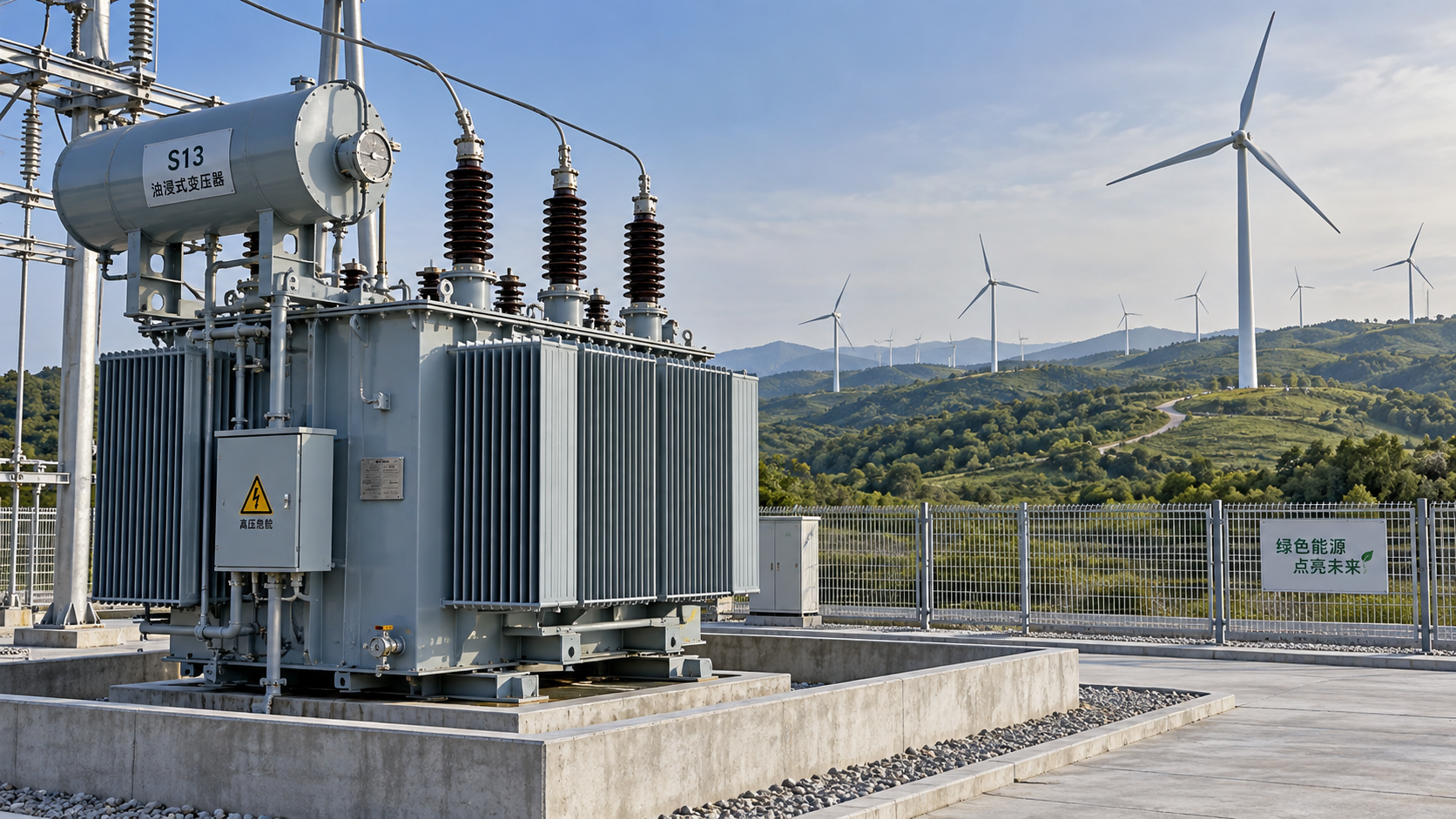
An oil-filled unit uses liquid insulation and cooling oil.
A dry-type transformer uses resin or other solid insulation, with air as the cooling medium.
Because of that, it usually offers better safety for enclosed environments.
It also reduces concerns about oil contamination, spill control, and some maintenance procedures.
This does not mean every dry-type transformer is automatically better.
It means the decision should match the site conditions, load profile, and installation priorities.
Manufacturers with strong process control usually make the difference clearer in long-term reliability.
For example, companies such as Jiangsu Shengda Power Equipment Co., Ltd. focus on R&D, production, and quality inspection across transformer lines.
Its products follow standards such as GB1094.1-2-1996 and GB/T6451-2008, with ISO9001 quality management in place.
A quick comparison helps
Where is a dry-type transformer commonly used?
The most common answer is indoors, but that is only part of the picture.
A dry-type transformer is often selected when people, equipment, and building systems share limited space.
- Commercial buildings where low fire risk and easier placement are important
- Hospitals and schools where reliability and cleaner operation matter
- Industrial plants with indoor distribution rooms and controlled environments
- Solar and wind systems where compact distribution equipment is needed
- High-rise buildings and urban projects with strict safety requirements
In some distribution schemes, a dry-type transformer is part of a more integrated power solution.
For compact sites, ZGS Combined Substation can be relevant.
It combines the transformer body, switchgear, fuses, tap changers, and low-voltage equipment in one arrangement.
That kind of setup is often considered in industrial parks, residential areas, commercial centers, and temporary construction sites.
Its compact footprint and flexible wiring can help when installation space is limited.
When is a dry-type transformer the better choice, and when is it not?
A good match usually starts with the environment rather than the catalog.
If the transformer will sit inside a building, the dry-type transformer often has a clear advantage.
If the site is dusty, humid, poorly ventilated, or exposed to harsher outdoor conditions, the evaluation needs more care.
More common selection points include the following:
- Choose it for indoor safety, environmental control, and simpler routine maintenance
- Review load growth carefully, especially if future expansion is likely
- Check ventilation and temperature rise, because cooling performance still matters
- Confirm voltage level, capacity, and insulation class before final layout
Jiangsu Shengda Power Equipment Co., Ltd. produces multiple transformer series, including 10KV and 35KV models and SCB dry-type lines.
That broader product range matters because projects often need comparison, not a one-size-fits-all answer.
A practical judgment table
What mistakes do people make when evaluating a dry-type transformer?
One common mistake is focusing only on the purchase price.
A dry-type transformer should be judged by lifecycle fit, not just initial cost.
Another mistake is assuming maintenance-free means no attention is needed.
In reality, dust buildup, ventilation blockage, and overload conditions can shorten service life.
Some projects also ignore noise limits, enclosure design, or emergency load conditions.
Those details matter more in commercial centers and high-rise buildings.
If a compact substation approach is under review, capacity, voltage, and operating mode should be checked early.
For instance, the ZGS model range often covers 63~1600kVA, 50Hz, and 6~10kV applications.
That is useful only when the real load profile and distribution method match the design.
What should you confirm before making a final decision?
A dry-type transformer works best when the selection process is grounded in actual site data.
Before moving forward, it helps to confirm a short checklist:
- Required voltage and capacity, including future load margin
- Indoor or outdoor placement and available ventilation
- Fire protection, noise control, and maintenance access
- Whether a stand-alone transformer or compact substation is more suitable
- Compliance expectations, inspection standards, and manufacturing consistency
That last point is often overlooked.
Reliable manufacturing, stable quality systems, and tested product lines usually reduce uncertainty later.
In simple terms, a dry-type transformer is not just a safer indoor option.
It is a distribution choice that should be matched to safety goals, operating conditions, maintenance expectations, and expansion plans.
If the next step is evaluation, compare installation conditions first, then review technical parameters, and only after that narrow down the final transformer solution.



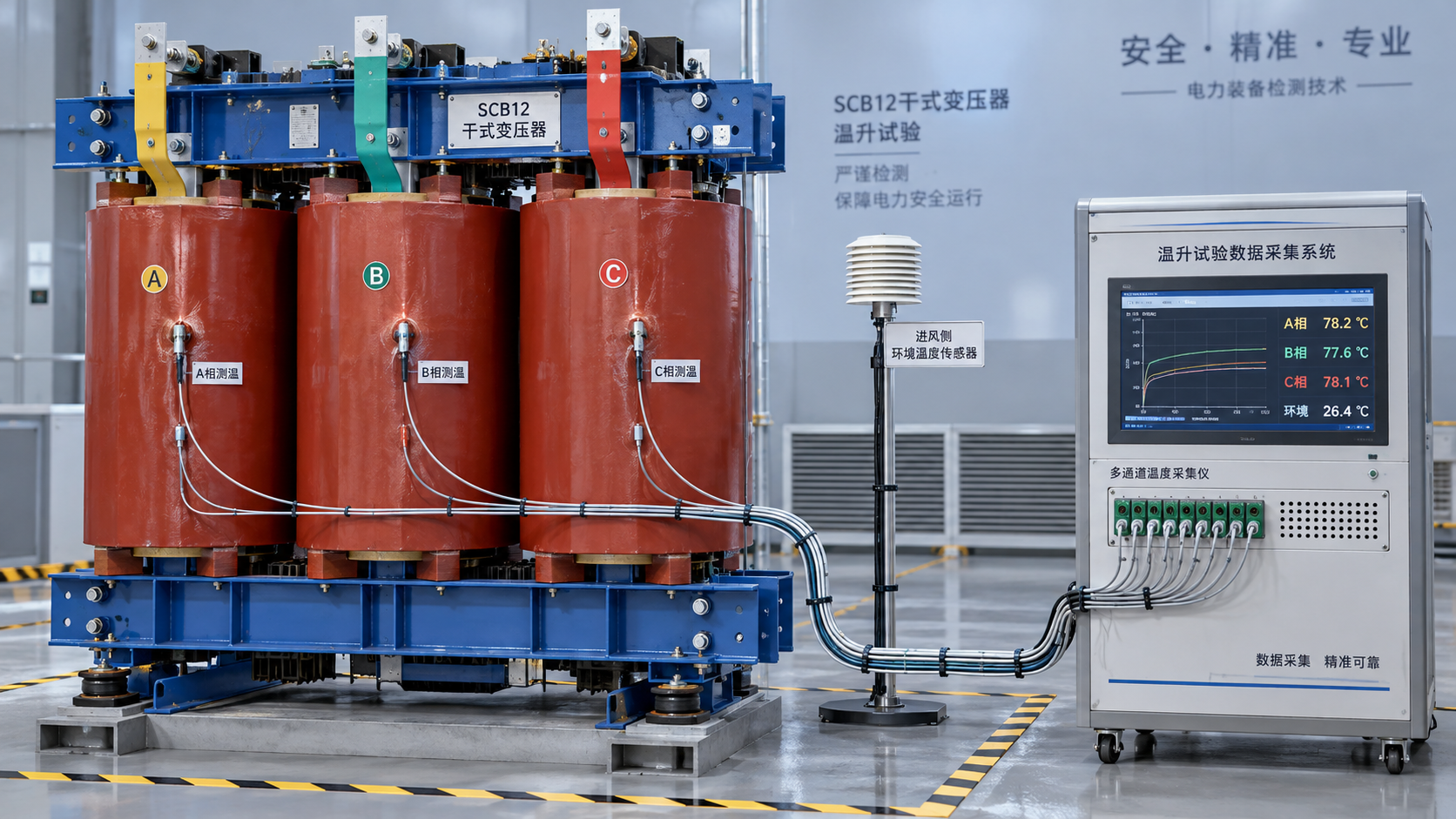
 How to verify the temperature-rise test of an SCB12 dry-type transformer
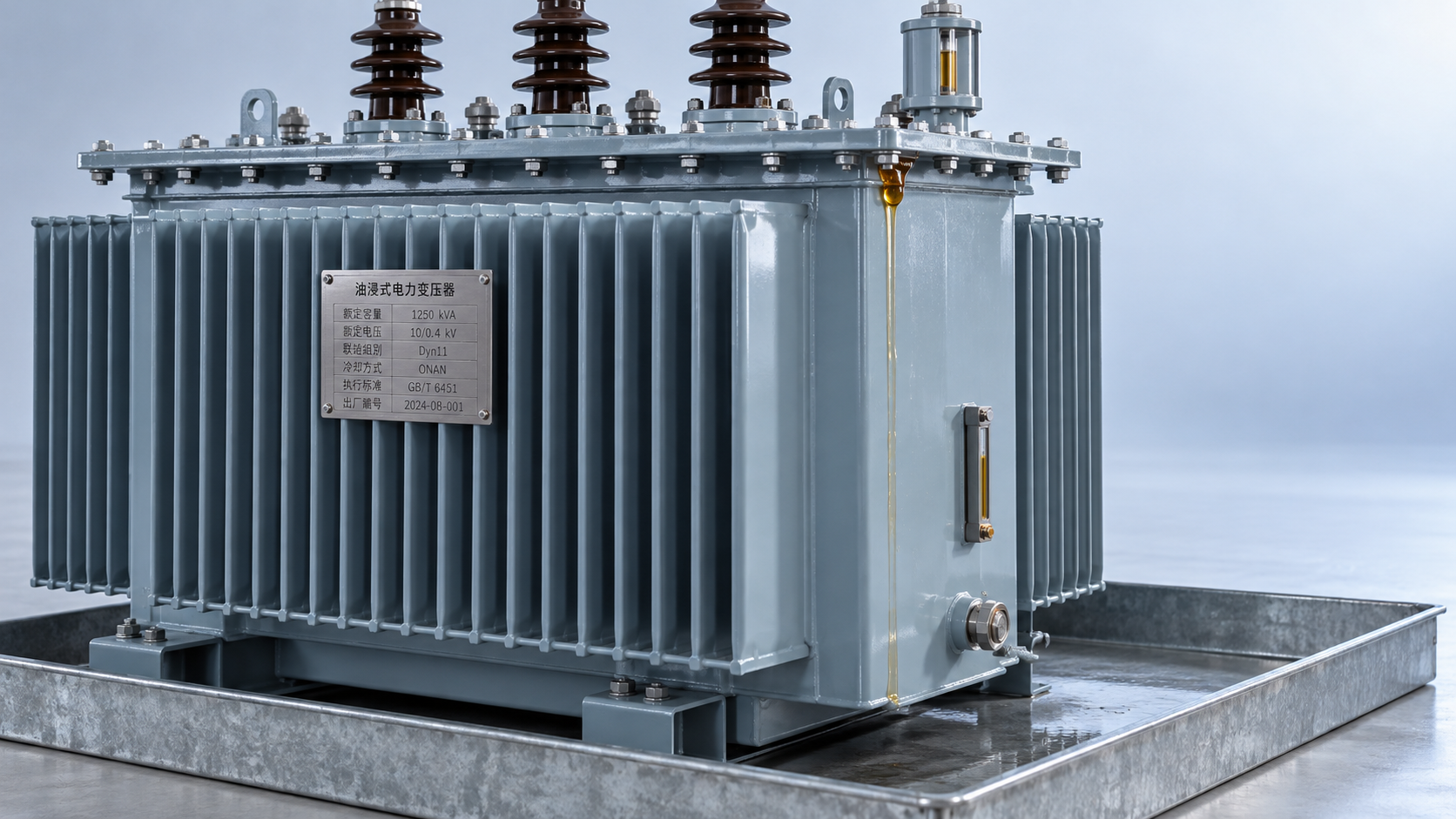
 Distribution transformer maintenance tips for spotting oil leaks
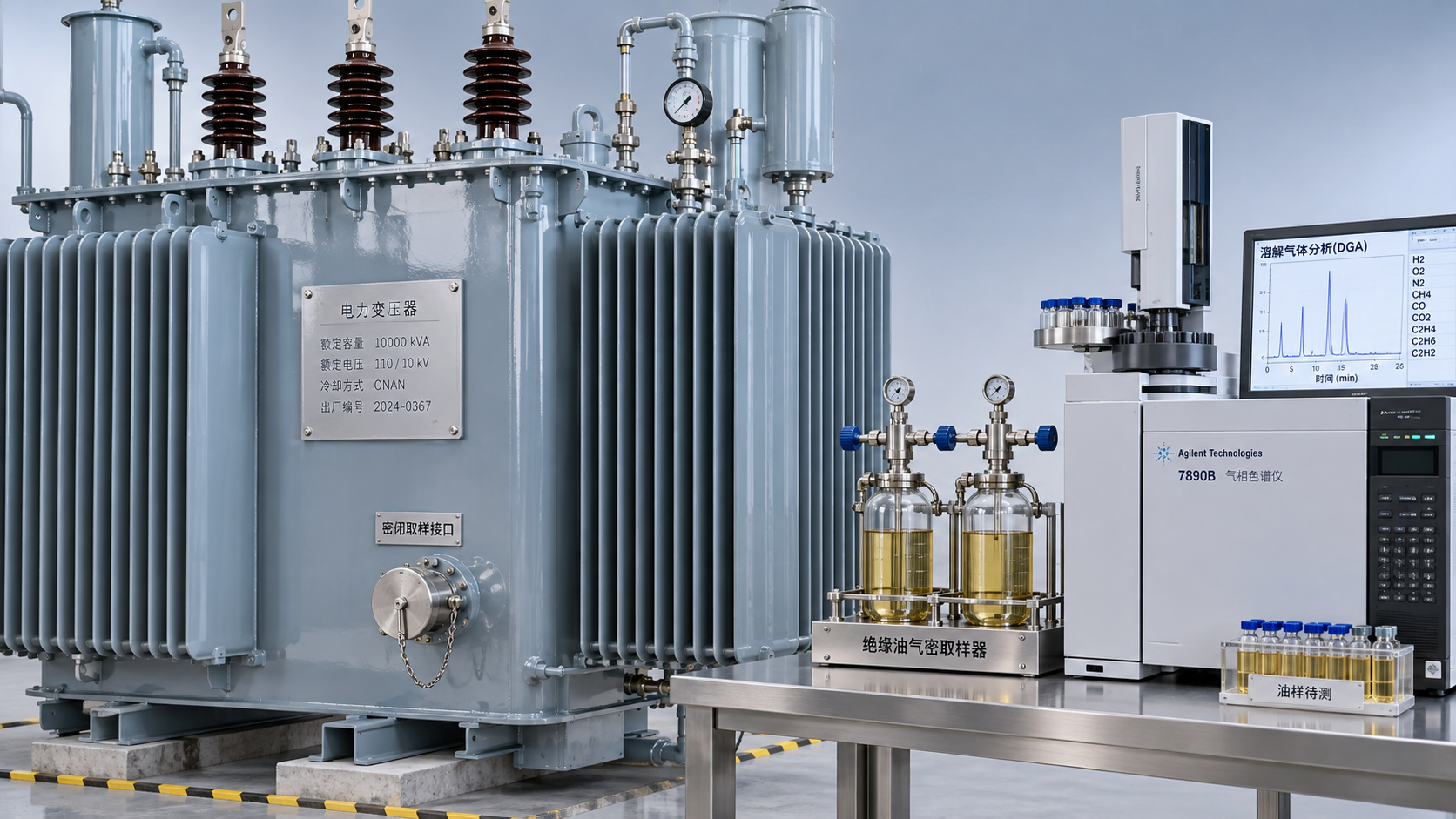
 What dissolved gas analysis reveals about an oil-immersed transformer
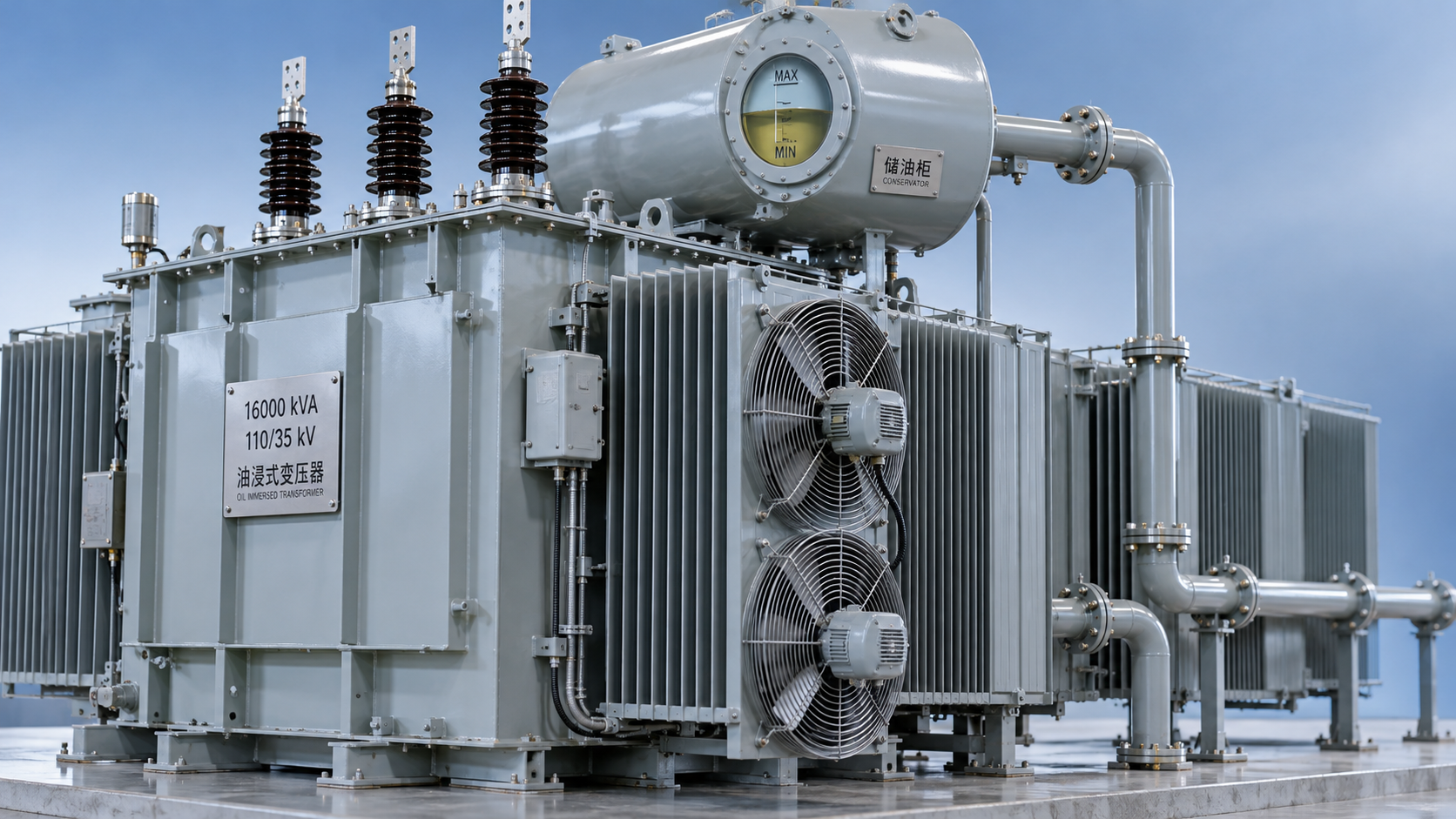
 Why an oil-cooled transformer overheats despite a normal oil level
 How the amorphous core affects SCBH15 dry-type transformer losses
 Sizing S13 oil-immersed transformers for variable wind farm output
GET A FREE QUOTE
We offer reliable products, competitive prices, and nationwide professional support, committed to providing customers with efficient and energy-saving power equipment solutions.