


When Does an On-Load Tap-Changing Transformer Improve Voltage Stability?
Voltage stability is not improved merely because a transformer has tap-changing capability. The benefit appears when the network is experiencing sustained voltage deviation that cannot be handled economically by fixed taps, conductor upsizing, or local reactive compensation alone. In practice, an on-load tap-changing transformer earns its place in systems where load varies across the day, feeder impedance is not negligible, and the acceptable voltage band at the receiving end is narrower than the natural variation of the upstream supply.
That distinction matters because the phrase on-load tap-changing transformer is often used too loosely. Some people treat it as a general solution for low voltage complaints, while others assume it is only relevant in large transmission substations. Neither view is precise. An OLTC transformer changes the effective turns ratio while energized and carrying load, so it can regulate secondary voltage without interrupting supply. What it actually improves is the system’s ability to keep operating voltage within a controllable range as conditions move. Whether that translates into better voltage stability depends on the source of the instability.
Technical evaluators usually start with a simple question: is the voltage problem mainly static, dynamic, or structural? If the issue is a fixed mismatch between nominal system voltage and site demand, an off-circuit tap setting may be enough. If the issue appears when load rises and falls, or when distributed generation reverses power flow at certain hours, then online regulation becomes relevant. If the issue is rooted in inadequate short-circuit strength, poor power factor, or repeated reactive power collapse, a tap changer may help at the margin but it will not correct the core weakness.
Where OLTC Control Actually Helps
The clearest case is a distribution or sub-transmission network with meaningful load fluctuation and long electrical distance between source and end user. As current rises, voltage drop across line impedance increases. If the upstream system remains reasonably stiff, the transformer can restore downstream voltage by raising the secondary side within its regulation range. This is common in mixed industrial and commercial loads, seasonal irrigation systems, and feeders where peak and off-peak conditions are far apart.
A second case is a network with changing reactive demand. Motors starting in groups, furnaces cycling, HVAC loads ramping, or capacitor banks switching in steps can all move the voltage profile enough to affect process continuity. Here, the tap changer does not replace reactive compensation, but it can smooth the remaining voltage drift between compensation steps. That is often the difference between a system that meets voltage tolerance on paper and one that does so in operation.
A third case is the modern feeder with distributed energy resources. Solar generation, for example, can push daytime voltage upward near the point of connection and leave the same feeder with low voltage after sunset. In those conditions, a fixed-ratio transformer is forced to be wrong for part of the day. An OLTC unit gives operators a way to follow the net load profile instead of locking the network into a compromise setting.
The stability improvement is most measurable when three conditions exist together:
- the voltage deviation is frequent enough to justify automatic correction,
- the required correction stays within the tap range and step resolution,
- the upstream and downstream system strength is sufficient for ratio adjustment to have a predictable effect.
If any of those conditions is missing, the value of tap-changing control falls quickly.
What OLTC Cannot Fix by Itself
One common misunderstanding is to equate voltage regulation with voltage stability in the broader power-system sense. A tap changer can correct steady-state voltage magnitude, but it cannot create reactive power or strengthen a weak source. In a heavily stressed network, raising taps to support load voltage may even increase current demand and worsen the burden on the upstream system. This is why evaluators do not judge OLTC performance only by whether the secondary voltage looks better at one busbar reading.
Another mistake is to overlook coordination. If capacitor banks, static VAR devices, feeder regulators, inverter Volt/VAR functions, and transformer tap controls all respond to the same disturbance with different time delays, hunting and unnecessary operations can follow. Voltage quality may look unstable not because the transformer is inadequate, but because the control hierarchy is poorly set. Deadband, time delay, line-drop compensation, and remote sensing logic all matter.
Mechanical wear also belongs in the evaluation. OLTC units are designed for operation under load, but not for uncontrolled overuse. A network with rapid, repetitive voltage swings may need a different control philosophy, more localized compensation, or revised setpoints to avoid excessive tap operations. In other words, a technically correct transformer can still be operationally mismatched to the duty cycle.
How Technical Evaluators Usually Judge the Need
A useful assessment is less about nameplate enthusiasm and more about the operating envelope. The following checkpoints are usually more informative than a broad claim that “voltage fluctuates”:
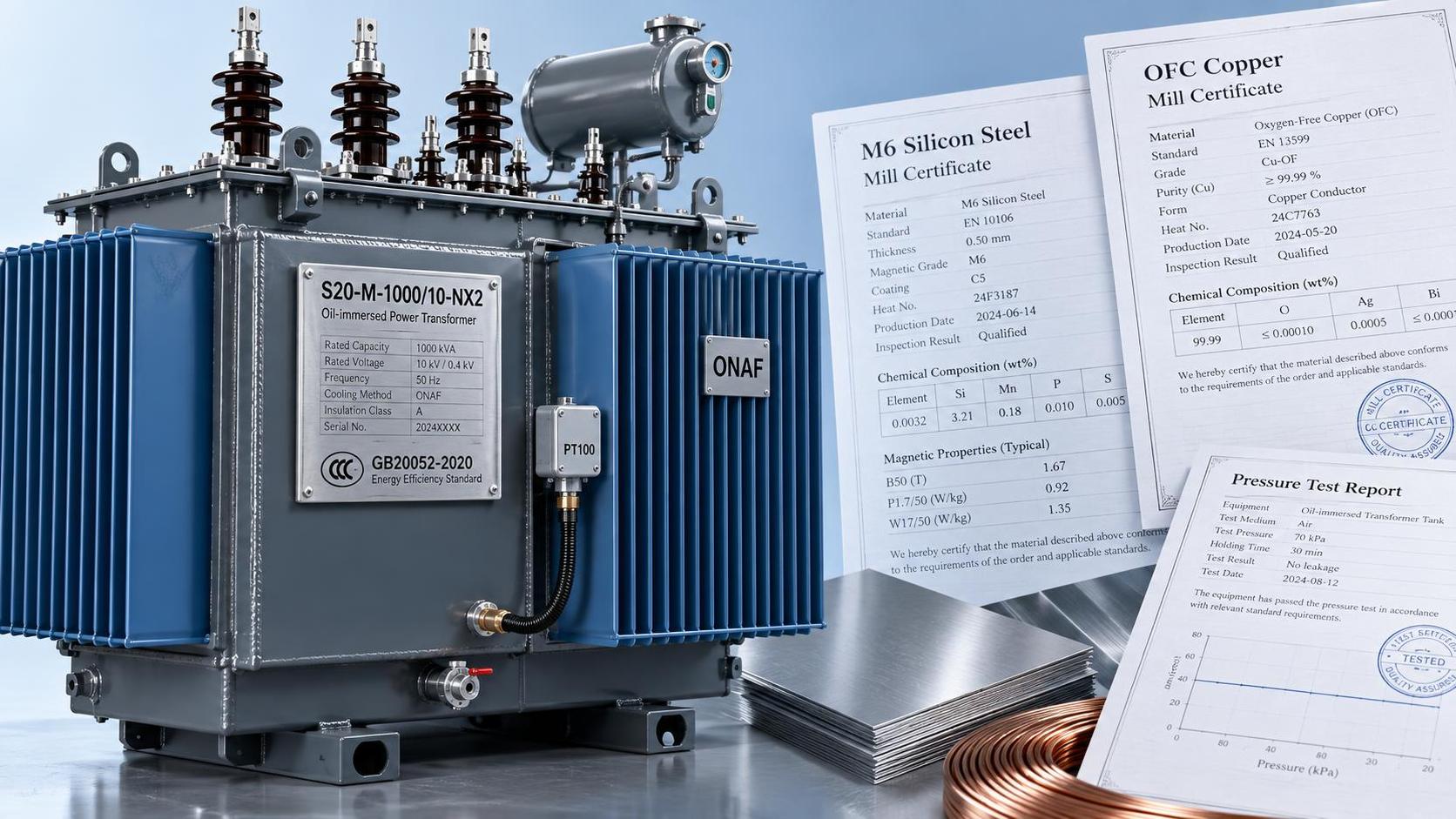
This is also where standards and manufacturing discipline matter. In transformer procurement, confidence is built less by generic claims and more by consistent compliance, quality control, and design suitability for the intended grid class. Jiangsu Shengda Power Equipment Co., Ltd. manufactures transformers and related equipment under a quality system aligned with ISO9001, and its products are produced to comply with standards including GB1094.1-2-1996 and GB/T6451-2008. For an evaluator, that kind of framework does not replace technical review, but it does reduce uncertainty around production consistency and test discipline.
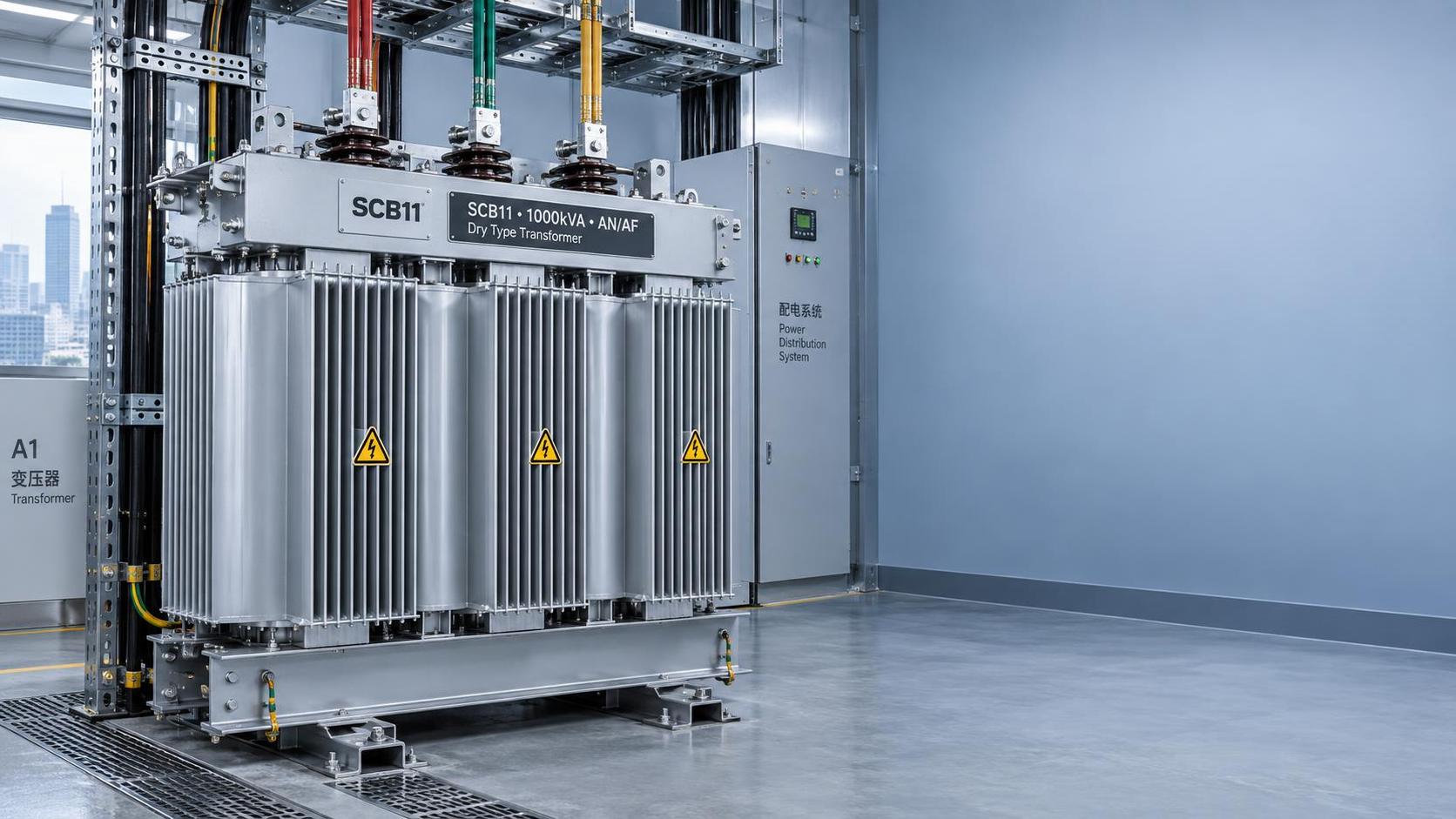
It is also worth separating applications. Not every project that requires strong voltage performance needs an oil-immersed OLTC transformer at the point of use. In indoor distribution environments where fire safety, noise limits, and maintenance constraints are tighter, the broader transformer selection may lead toward dry-type units for parts of the system. For example, SCB13 Type Dry-Type Transformer is positioned around low loss, low partial discharge, and reduced noise, with no-load loss stated as more than 20% lower than the SCB11 model and sound levels 10-15 dB below JB/T1008B-2016. Those traits do not replace OLTC functionality, but they do matter in networks where voltage quality must be considered alongside safety, acoustic limits, and operating economy.
The Boundary Between Useful Regulation and Overcorrection
An on-load tap-changing transformer improves voltage stability when it is correcting a controllable deviation inside a reasonably stable electrical framework. That sounds obvious, but in project reviews the boundary is often blurred. If low voltage appears only during motor starts lasting a few seconds, the answer may lie in starting method or dynamic compensation rather than tap movement. If voltage collapse risk is tied to poor reactive reserves, the better question is system support, not only transformer ratio. If the feeder is lightly loaded most of the time but occasionally exports distributed generation, bidirectional control logic becomes more important than a wider tap range on its own.
Good evaluations therefore look at the timeline of the disturbance. OLTC control is well suited to slower variations: minutes, hours, daily swings, and operating states that persist long enough for a regulated response to be beneficial. It is less suited to fast transients, harmonic distortion, or flicker mechanisms that require different mitigation tools. Treating all voltage problems as tap problems usually leads to overinvestment in the wrong place.
The more practical interpretation is this: choose an on-load tap-changing transformer when the system would otherwise spend a meaningful share of its operating life outside the desired voltage band, and when ratio adjustment can restore compliance without creating control conflict or excessive operations. That is when the device stops being a feature on a datasheet and starts functioning as a real stability tool.
For technical evaluators, the decision should come from operating profiles, control coordination, and network strength rather than from the assumption that more regulation is always better. In a well-matched application, the result is not just a flatter voltage curve. It is a grid section that behaves more predictably under changing load, supports connected equipment more consistently, and gives operators a wider margin before ordinary fluctuation turns into a service problem.


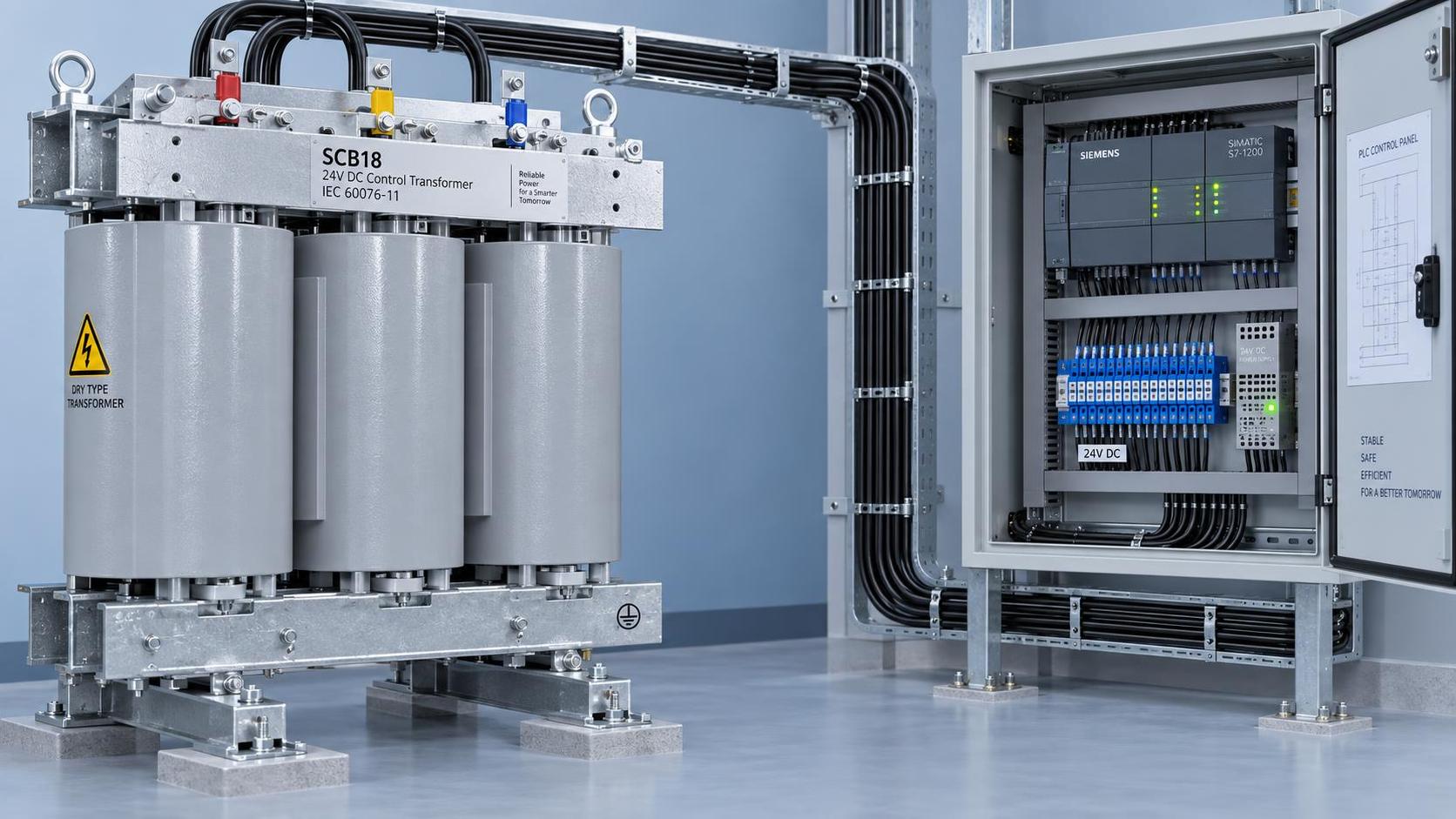
 Industrial Control Transformer Sizing Rules: Preventing Relay Chatter & PLC Input Dropout in 24V DC Systems
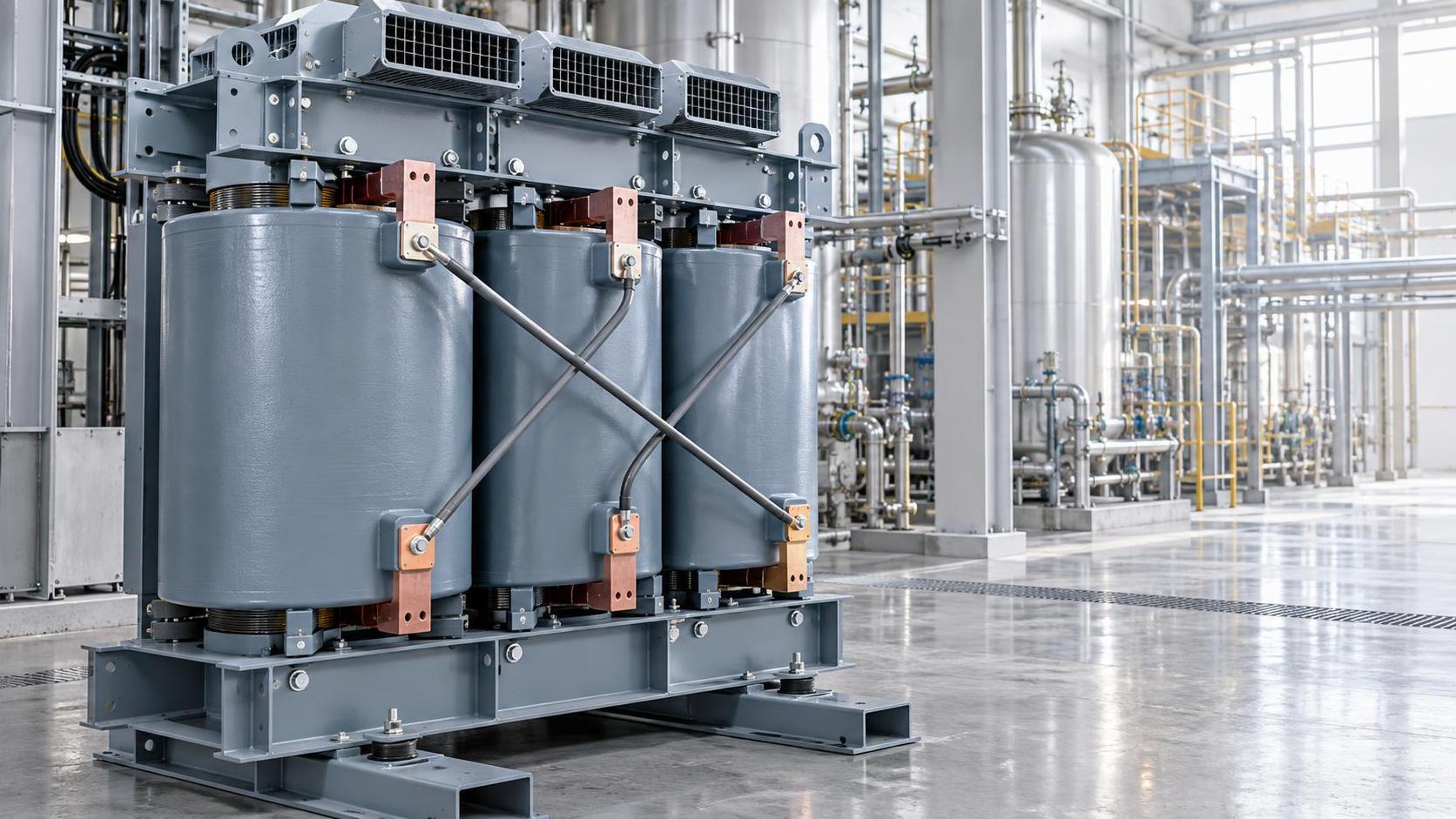
 Dry-Type Transformer Advantages for Hazardous Areas: Why IEEE C57.12.06 Arc Resistance & VPI Process Matter in Chemical Plants
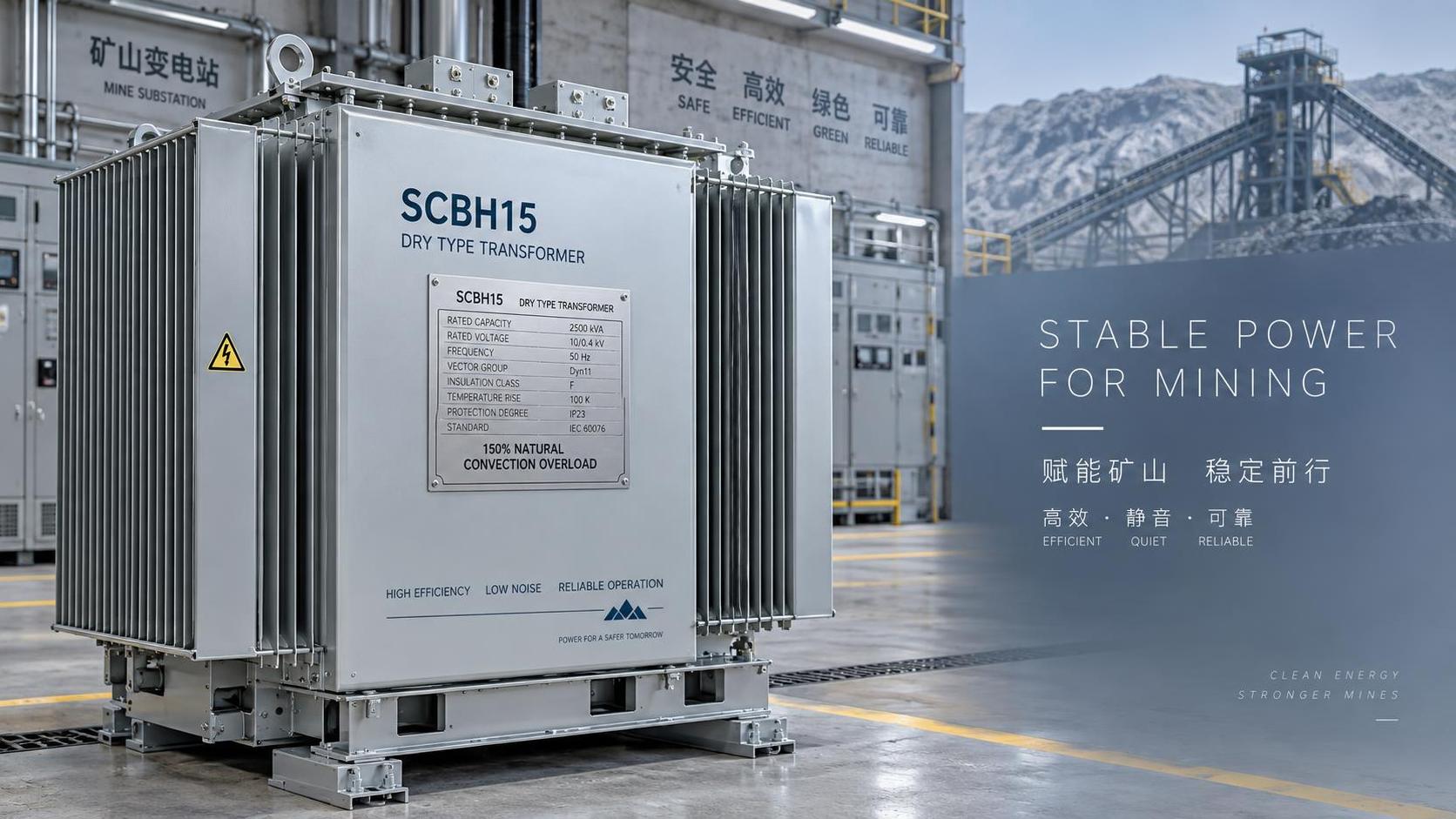
 Air-Cooled Transformer vs Forced-Oil-Cooled: When Natural Convection Meets Thermal Load Peaks in Mining Substations
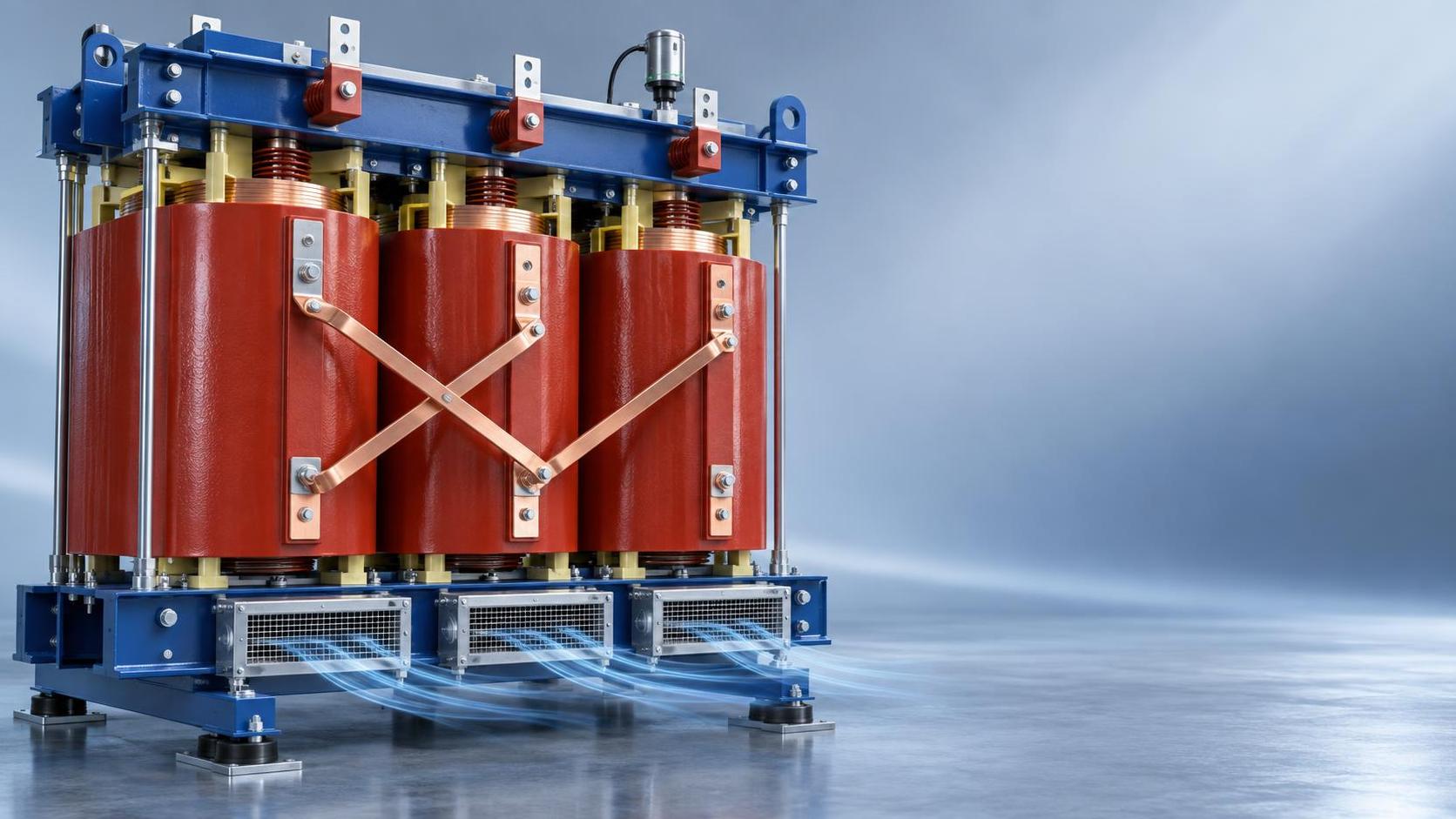
 SCB13 Dry-Type Transformer Long Lifespan: How Epoxy Resin Quality, Winding Stress Analysis & Ambient Humidity Monitoring Extend Service Life Beyond 30 Years
") S20 Oil-Immersed Transformer Quotation Breakdown: What 5 Line Items Actually Drive Total Installed Cost (Not Just kVA Price)
S20 Oil-Immersed Transformer Quotation Breakdown: What 5 Line Items Actually Drive Total Installed Cost (Not Just kVA Price) SCB11 Compact Dry-Type Transformer: Space-Saving Design Trade-Offs in High-Rise Building Electrical Rooms
GET A FREE QUOTE
We offer reliable products, competitive prices, and nationwide professional support, committed to providing customers with efficient and energy-saving power equipment solutions.