


Choosing a transformer for electrical machine upgrade is not just about replacing equipment—it is about improving efficiency, reliability, and long-term operating value. For business evaluators, the real question is which transformer solution can reduce losses, meet international standards, and support stable performance across demanding applications. Understanding these value drivers is essential before making any investment decision.
What creates real value in a transformer for electrical machine upgrade?
A transformer for electrical machine projects creates value when it lowers total operating cost, supports process continuity, and fits the actual load profile of the facility. Many evaluations fail because the purchase decision focuses too heavily on initial price and too lightly on loss reduction, environmental fit, and maintenance exposure.
For business evaluators, the key is to judge the upgrade as a lifecycle investment. A lower-loss transformer can reduce energy waste every day. A better insulation system can protect uptime in harsh conditions. A design aligned with fire safety and installation constraints can also reduce hidden project costs.
- Energy performance affects long-term operating expenditure, especially in continuously loaded systems.
- Reliability reduces shutdown risk for production lines, transport systems, hospitals, and commercial infrastructure.
- Compliance with recognized standards supports procurement approval and cross-department review.
- Application fit matters because dry-type, oil-immersed, and compact solutions serve different site conditions.
Why business evaluators often hesitate
The hesitation usually comes from incomplete comparison data. One supplier may highlight price, another may stress insulation class, while another focuses on delivery time. Without a structured review method, it becomes difficult to identify which transformer for electrical machine upgrade will produce measurable commercial return.
Which technical factors should be checked before approving the project?
Before comparing quotations, evaluators should convert technical features into business outcomes. The table below links transformer parameters to practical decision impact, which is often more useful than reading isolated specification sheets.
This kind of review is especially important in upgrade projects where the transformer must serve existing electrical machines without causing unnecessary redesign. Losses, heat rise, and overload performance should be checked together, not one by one.
A practical example of value-oriented specification review
In indoor applications with heavy load and strict fire protection requirements, a dry-type option may offer a stronger value case than an oil-filled alternative. One example is the Non-Encapsulated Dry-Type Transformer, available in SG(B)10 and SG(BY)10 models, designed for demanding installation environments.
Its H-class insulation system rated at 180℃, vacuum impregnation process, and no partial discharge design are relevant because they connect directly to durability, thermal stability, and risk control. For evaluators, these are not abstract technical claims. They affect maintenance planning, safety review, and project approval speed.
How do different transformer options compare in upgrade projects?
A transformer for electrical machine upgrade should be compared by application context, not by category name alone. The following table helps distinguish typical decision paths for common transformer types used in industrial and infrastructure projects.
The comparison shows why a universal recommendation is risky. What works in a power plant or outdoor network may not be the right transformer for electrical machine upgrade in a hospital basement, subway station, or shopping center mechanical room.
Where dry-type designs become commercially stronger
In high-rise buildings, airports, railway stations, docks, subways, hospitals, shopping centers, and densely populated residential areas, fire behavior and indoor maintenance convenience become decisive. That is where an unencased coil dry-type structure, flame-retardant materials, and low-smoke performance can create stronger risk-adjusted value.
This is also relevant for polluted and humid environments near lakes, seas, and rivers. If the upgrade site has both electrical load pressure and environmental stress, humidity adaptability should be included in the business review from the beginning.
What should procurement teams ask suppliers during evaluation?
A strong supplier discussion should move beyond catalog reading. Procurement teams should use a structured checklist that connects equipment design, quality control, standards, and delivery capability to project risk.
- Ask for complete rated data, loss values, insulation class, and overload capability under realistic operating conditions.
- Confirm which standards the product follows, such as GB1094.1-2-1996 and GB/T6451-2008 where applicable.
- Review factory quality systems and inspection procedures rather than relying only on brochure statements.
- Check whether the supplier can support specific voltage classes, installation constraints, and customization needs.
- Clarify lead time, testing scope, transport method, and after-sales response expectations before approval.
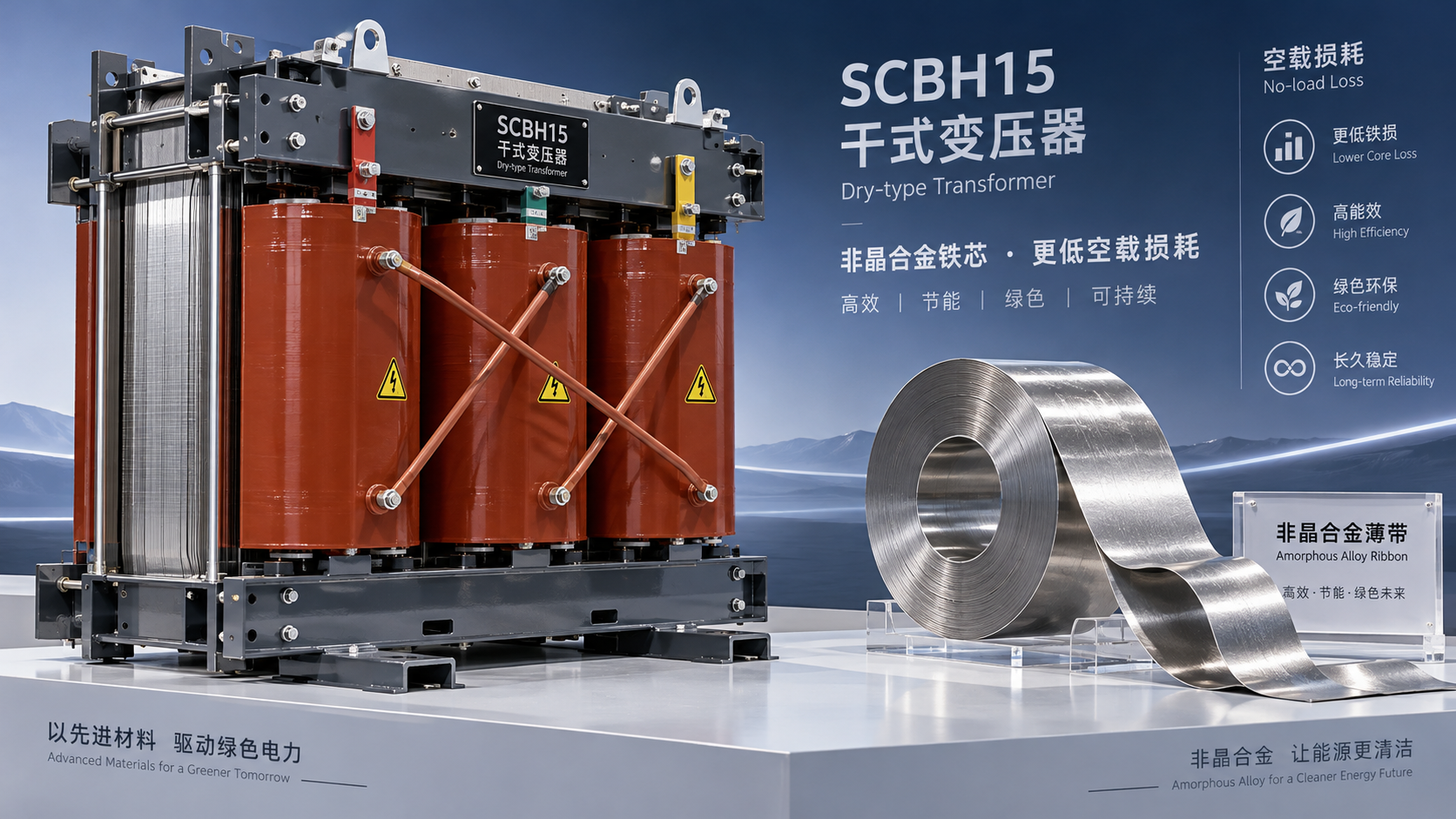
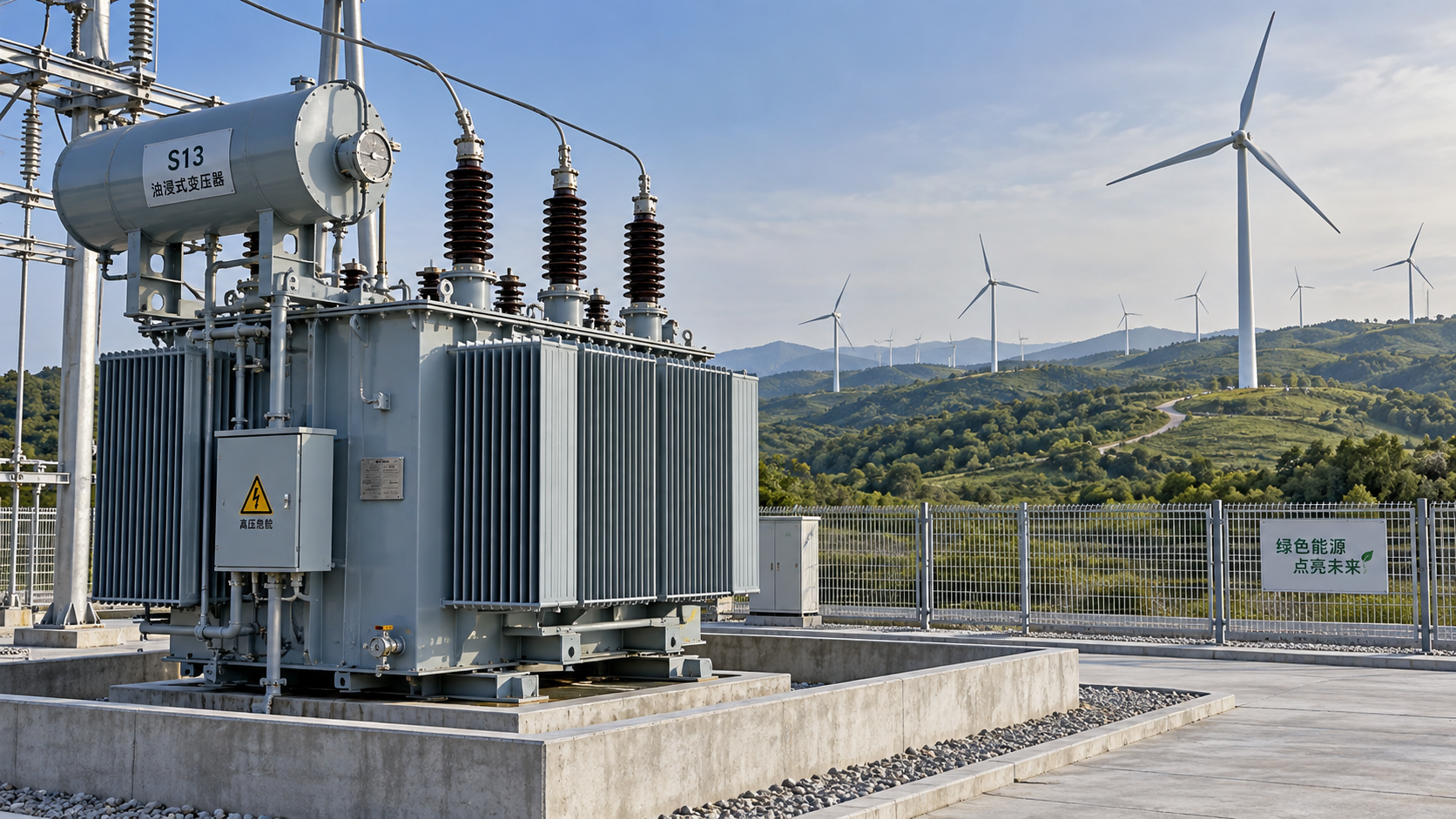
Jiangsu Shengda Power Equipment Co., Ltd. is positioned well for this type of review because it covers transformer R&D, production, and sales, while also operating under ISO9001 quality management. Its portfolio includes low-loss S11, S13, S15, S20, and S22 series, 10KV and 35KV models, SCB and SGB series, compact substations, amorphous alloy transformers, and on-load tap-changing power transformers.
For evaluators, that range matters. It means the discussion can focus on best-fit solution design instead of forcing one product type into every project. When selecting a transformer for electrical machine upgrade, solution breadth is often a hidden advantage because it improves comparison quality and reduces mismatched procurement.
How should cost be judged beyond the purchase price?
A low bid can look attractive during procurement review, but a transformer decision should account for operating losses, site preparation, maintenance effort, service life expectations, and downtime risk. The table below provides a practical cost framework for internal evaluation meetings.
This lifecycle view is where many upgrades gain approval. A transformer for electrical machine replacement is easier to justify when procurement teams show how efficiency, safety, and reliability can offset higher initial spending within the operating period.
What standards and compliance points matter most?
Compliance is not a paperwork issue alone. It is part of technical risk control. In transformer procurement, evaluators should check whether the design, manufacturing, and inspection process align with relevant standards and project documentation requirements.
- GB1094.1-2-1996 is commonly referenced for transformer-related requirements.
- GB/T6451-2008 is relevant for power transformer performance in many procurement contexts.
- ISO9001 certification supports confidence in management consistency and quality process control.
- UL may be relevant in some product reviews, especially where project documentation requires specific safety references.
For example, the dry-type solution mentioned earlier includes UL in its provided certification profile, which may support discussions in projects with heightened compliance review. Still, evaluators should always match certifications to the actual destination market and project scope.
FAQ: what do business evaluators usually ask about a transformer for electrical machine upgrade?
How do I know if the upgrade will really reduce operating cost?
Request both no-load loss and load loss figures, then compare them against current operating hours and load patterns. If the electrical machine runs for long periods, even moderate loss improvements can produce meaningful annual savings. Include cooling, downtime risk, and maintenance cost in the same calculation.
Which scenarios are better suited to dry-type transformers?
Indoor and densely occupied spaces are the most common examples. Hospitals, airports, subways, power plants, metallurgical industries, petrochemical plants, and high-rise buildings often evaluate dry-type designs when fire resistance, low smoke behavior, and convenient maintenance are important.
What is a common mistake during transformer selection?
A frequent mistake is selecting by rated capacity alone. The better approach is to assess load variation, overload demand, environmental humidity, available installation space, fault withstand requirements, and expected service continuity. These factors determine whether the transformer for electrical machine application will remain stable after commissioning.
How important is overload capability in an upgrade project?
It can be very important where the machine duty cycle includes peaks. For instance, a design that supports 120% long-term overload and 140% overload for 3 hours offers more flexibility in operations planning. That does not replace correct sizing, but it can reduce risk under temporary production surges.
Why choose us for transformer evaluation and project support?
Jiangsu Shengda Power Equipment Co., Ltd. combines technical development, manufacturing capability, inspection control, and a broad transformer product range. That combination is useful for business evaluators who need more than a single quotation. It supports deeper comparison across low-loss, dry-type, amorphous alloy, compact substation, and tap-changing solutions.
If you are assessing a transformer for electrical machine upgrade, you can consult us on parameter confirmation, model selection, 10KV or 35KV application matching, indoor versus outdoor deployment, delivery cycle planning, certification requirements, and customized solution options. We can also support quotation communication based on actual load conditions and installation environment, helping your team make a clearer and more defensible purchasing decision.
For projects that require a fire-resistant indoor solution, the Non-Encapsulated Dry-Type Transformer can also be discussed in relation to humidity exposure, overload expectations, and installation in high-protection environments. The goal is not to force one model, but to identify the transformer configuration that delivers measurable operational value.



 How to verify the temperature-rise test of an SCB12 dry-type transformer
 Distribution transformer maintenance tips for spotting oil leaks
 What dissolved gas analysis reveals about an oil-immersed transformer
 Why an oil-cooled transformer overheats despite a normal oil level
 How the amorphous core affects SCBH15 dry-type transformer losses
 Sizing S13 oil-immersed transformers for variable wind farm output
GET A FREE QUOTE
We offer reliable products, competitive prices, and nationwide professional support, committed to providing customers with efficient and energy-saving power equipment solutions.