


Introduction
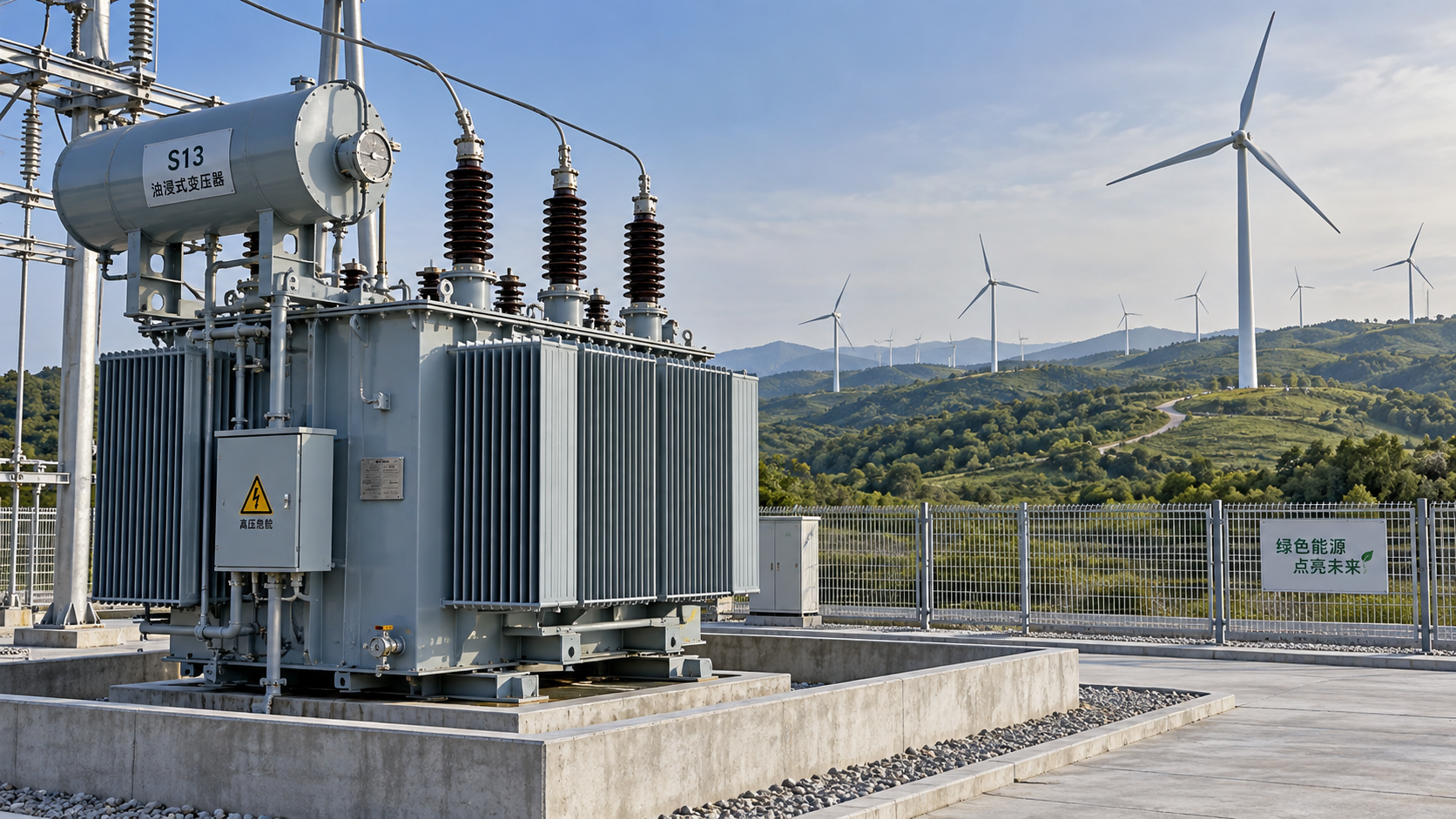
Chongqing's Bishan District has commissioned China's first 220kV hybrid insulating oil power transformer at the Tianjia substation. Utilizing a novel bio-based/synthetic ester hybrid insulating oil, the transformer surpasses traditional mineral oil in breakdown voltage, oxidation stability, and biodegradability, complying with stringent international standards like EU REACH and IEC 61099. This development is particularly relevant for industries involved in high-voltage equipment manufacturing, green energy, and international trade, especially those targeting environmentally regulated markets such as the EU, Southeast Asia, and Latin America.
Event Overview
The newly operational 220kV transformer at Tianjia Station represents a significant advancement in eco-friendly power infrastructure. Certified by CNAS, its hybrid insulating oil technology meets global environmental and insulation benchmarks, positioning it as a viable option for markets with rigorous sustainability requirements. The project underscores China's progress in aligning with international green energy trends.
Impact on Sub-Sectors
High-Voltage Equipment Manufacturers
This innovation may prompt manufacturers to accelerate R&D in bio-based insulating materials to remain competitive in markets prioritizing sustainability.
International Trade & Compliance
Export-oriented firms should note the product's compliance with EU REACH, suggesting a potential shift in procurement standards for transformers in regulated markets.
Utilities & Grid Operators
Operators in regions with strict environmental policies may consider this technology for future upgrades, given its certified performance advantages.
Key Considerations for Industry Players
Monitor Regulatory Developments
Track updates to IEC 61099 and similar standards that may affect product specifications in target markets.
Evaluate Supply Chain Adjustments
Assess the feasibility of transitioning to hybrid insulating oils for projects in eco-sensitive regions.
Technical Validation
While CNAS certification validates core claims, independent verification of field performance data remains advisable.
Industry Perspective
From an industry standpoint, this deployment signals growing momentum for sustainable alternatives in power infrastructure. However, it currently represents a pilot-scale implementation rather than an industry-wide shift. The technology's true impact will depend on lifecycle cost analyses and scalability demonstrations in diverse operational environments.
Conclusion
The Tianjia Station project demonstrates China's capability to develop high-voltage solutions meeting stringent international environmental standards. For industry stakeholders, this serves as an indicator of emerging technological directions rather than an immediate market disruption. Prudent next steps include monitoring adoption rates in pilot markets and evaluating the technology's economic viability at scale.
Sources
• Project specifications from Tianjia Station deployment
• CNAS certification documentation
• EU REACH and IEC 61099 standards
Note: Long-term performance data and commercial adoption metrics require continued observation.



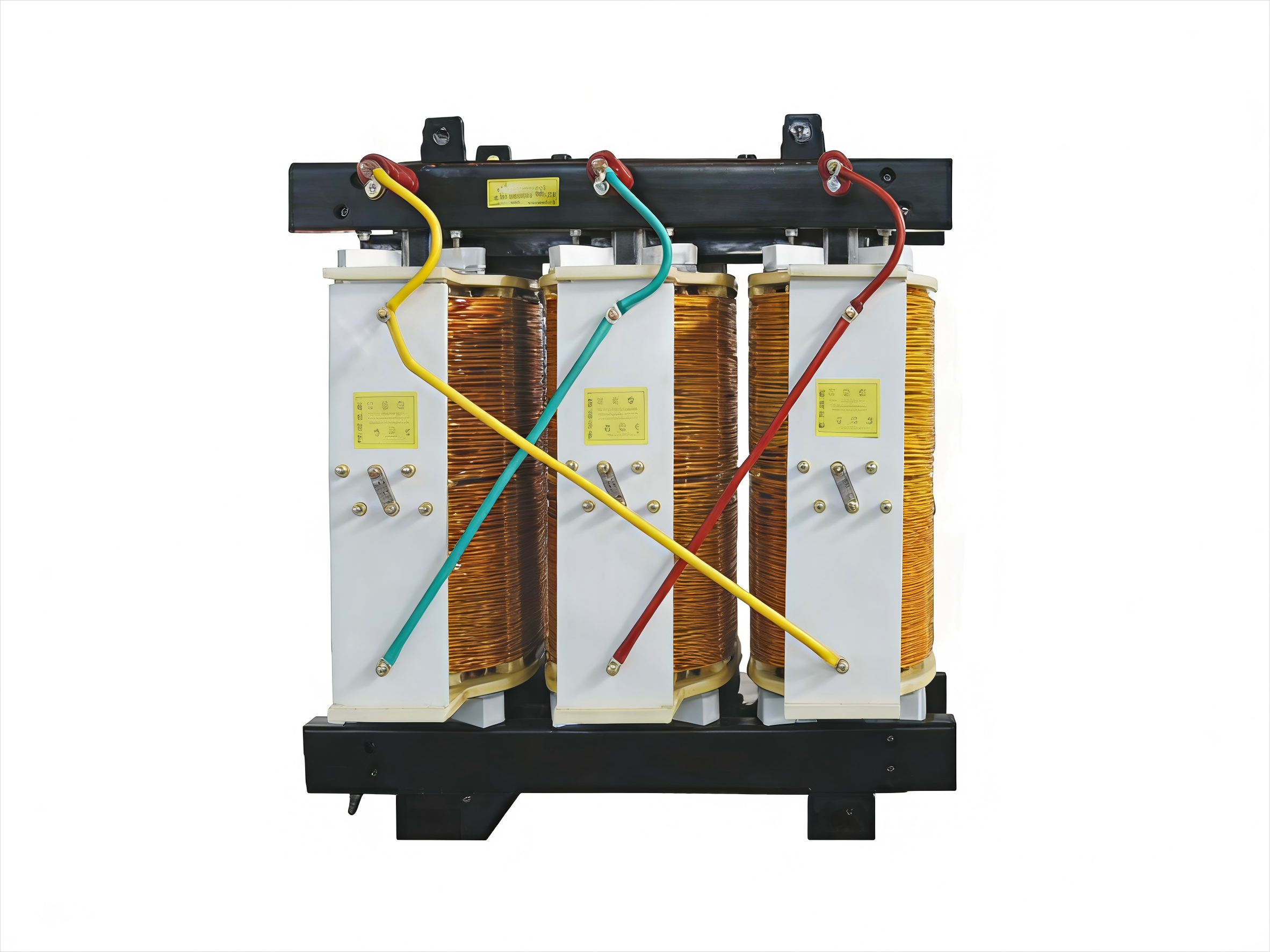
 Non-Encapsulated Dry-Type TransformerThis unencased coil three-phase dry-type power transformer, manufactured using the NOMEX insulation system approved by UL in the United States, boasts advantages such as safety, reliability, energy saving, fire resistance, explosion protection, and simple maintenance. Its advanced design, rational structure, and aesthetically pleasing appearance, along with key performance indicators exceeding domestic standards, include partial discharge level, no-load loss, load loss, noise reduction, and adaptability to high-humidity environments. It can be installed in polluted and humid environments near lakes, seas, and rivers, as well as in areas with high fire protection requirements and heavy loads. Suitable for high-rise buildings, airports, railway stations, docks, subways, hospitals, power plants, metallurgical industries, shopping centers, densely populated residential areas, and locations such as petrochemical plants, nuclear power plants, and nuclear submarines.
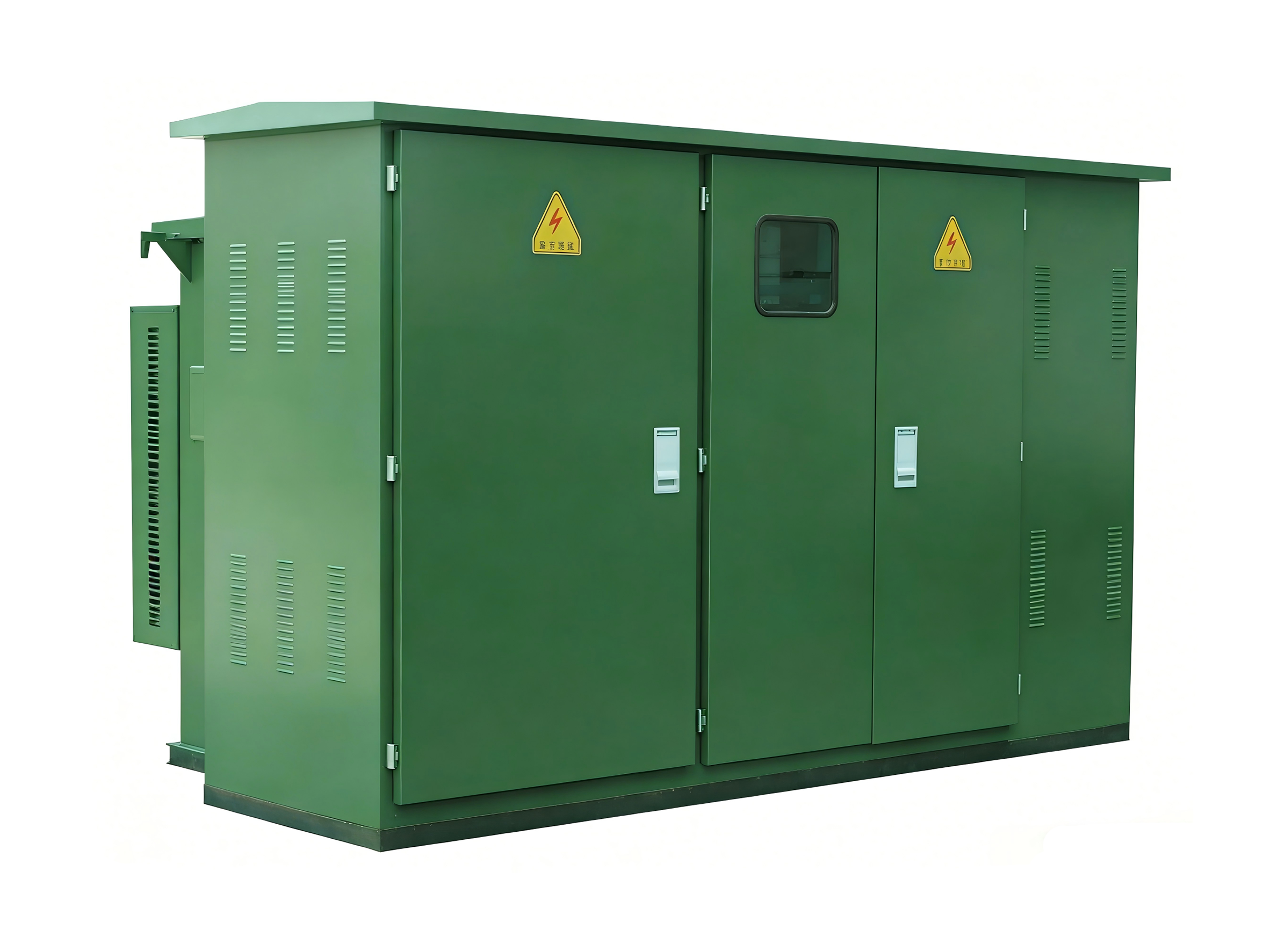
 ZGS Combined SubstationThe ZGS series combined transformers, also known as American-style transformers, are a series of products developed to meet the needs of urban and rural power grid construction, development, and renovation. They are transformers that combine the transformer body, switchgear, fuses, tap changers, low-voltage distribution equipment, and other corresponding auxiliary equipment, meeting various configuration requirements such as power metering, reactive power compensation, and low-voltage branching. As independent complete power distribution units with rated capacities of 63~1600kVA in AC 50Hz, 6~10kV networks, the ZGS type combined transformer can be used both outdoors and indoors. It is widely applicable to various locations such as industrial parks, urban residential areas, commercial centers, high-rise buildings, and temporary construction sites.
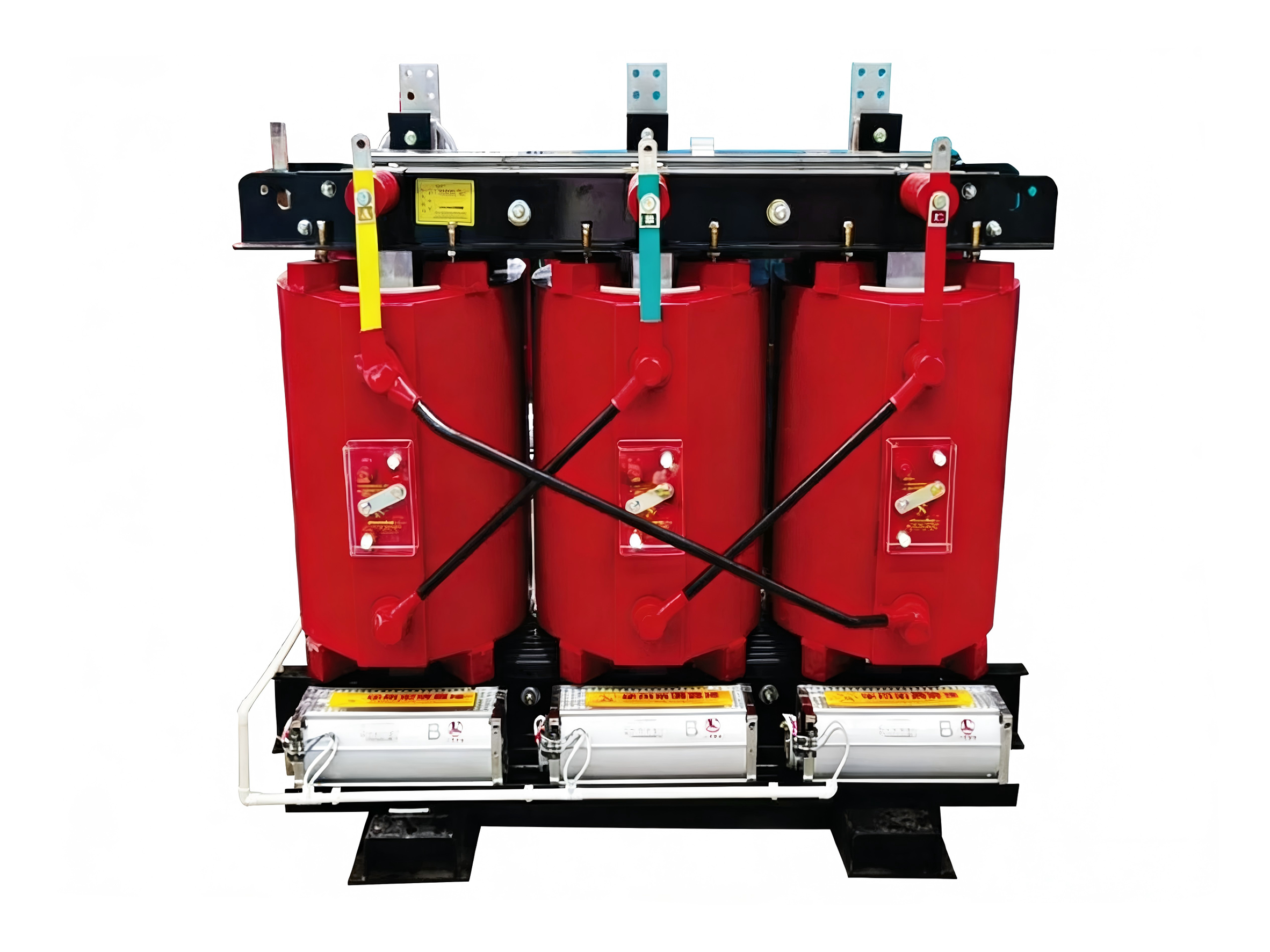
 SCB14 Type Dry-Type TransformerThe SC(B)14 type epoxy resin cast dry-type transformer is manufactured according to the standard "Dry-type Power Transformer". This product features low performance loss, good energy saving effect, economical operation, and maintenance-free operation. In addition to its advanced technology and structure, and high resistance to short circuits and lightning strikes, it also features flame retardancy, moisture resistance, dust resistance, and low noise, and can be installed deep within load centers. It is widely applicable to high-rise buildings, airports, railway stations, docks, power plants, substations, etc. It is particularly suitable for installation and use in flammable and explosive environments and other locations with high fire protection requirements.
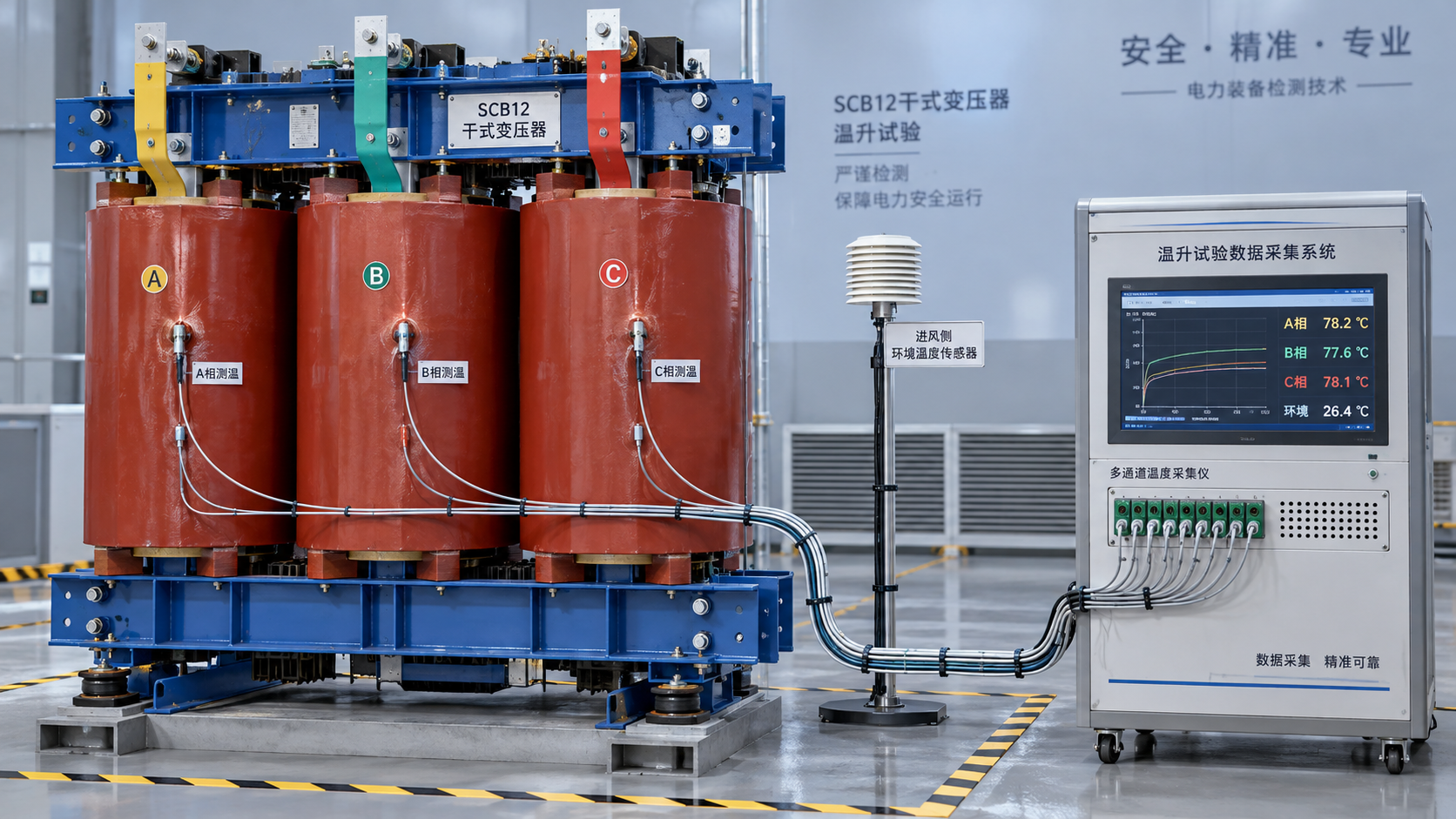
 How to verify the temperature-rise test of an SCB12 dry-type transformer
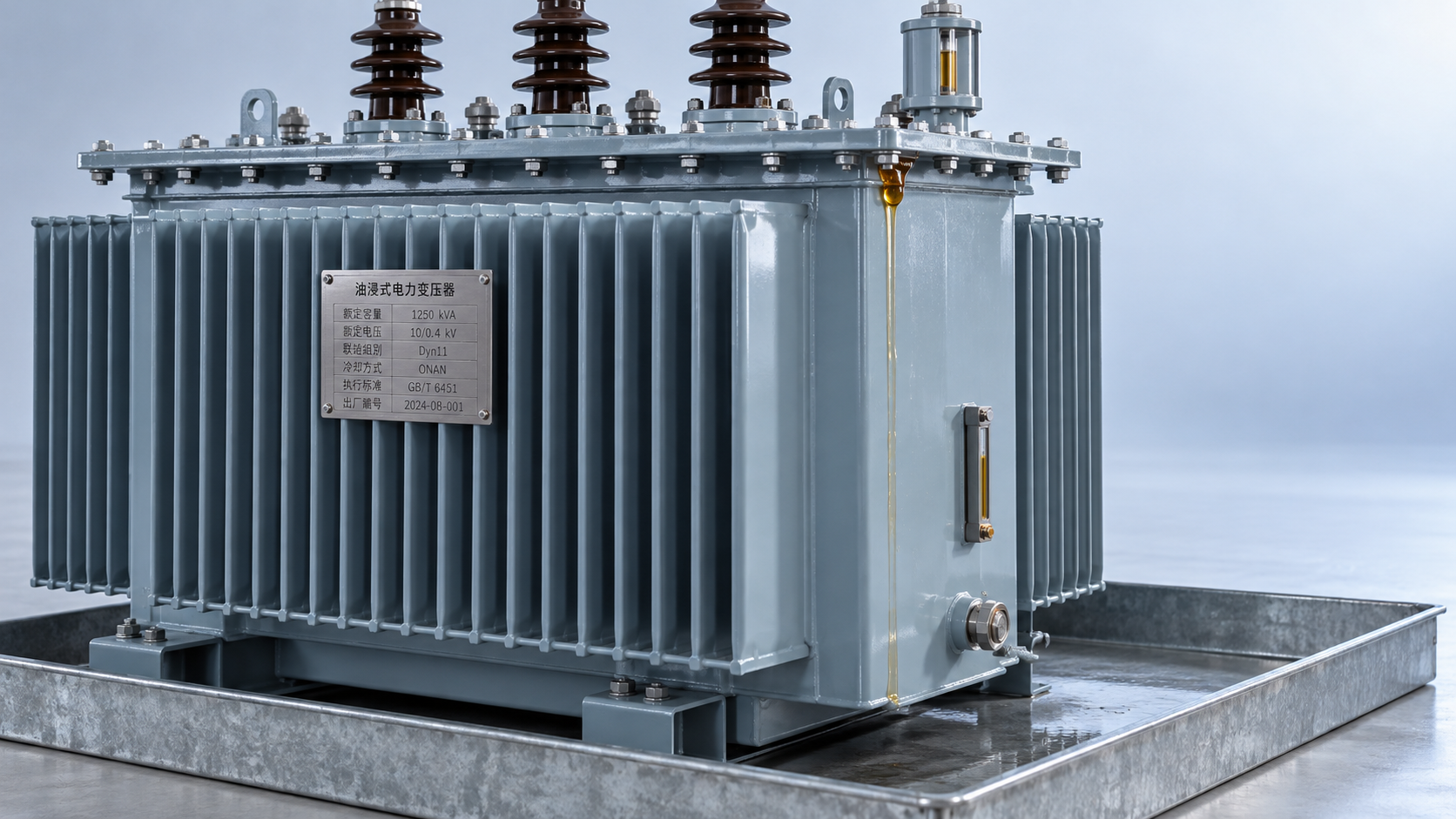
 Distribution transformer maintenance tips for spotting oil leaks
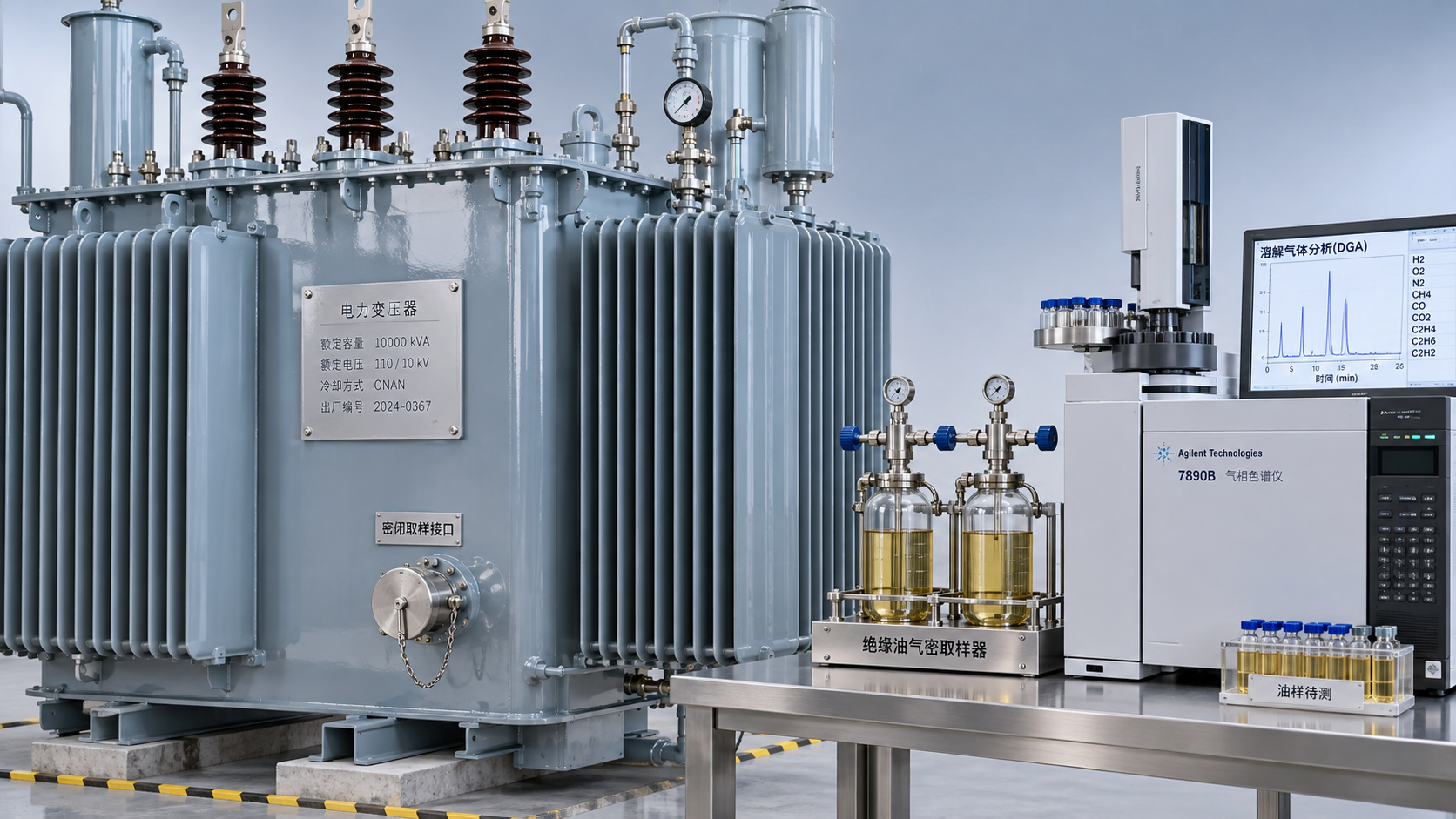
 What dissolved gas analysis reveals about an oil-immersed transformer
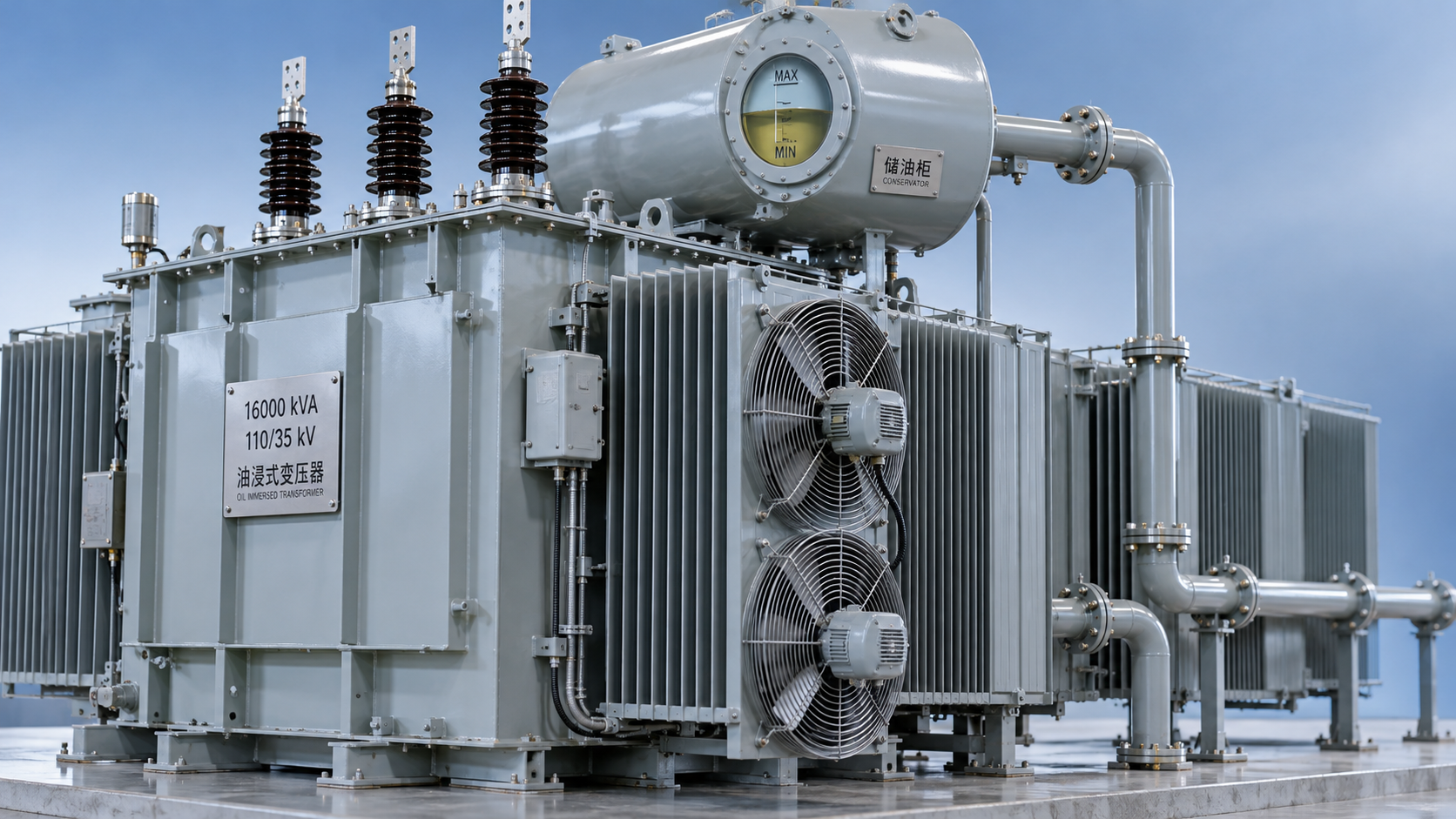
 Why an oil-cooled transformer overheats despite a normal oil level
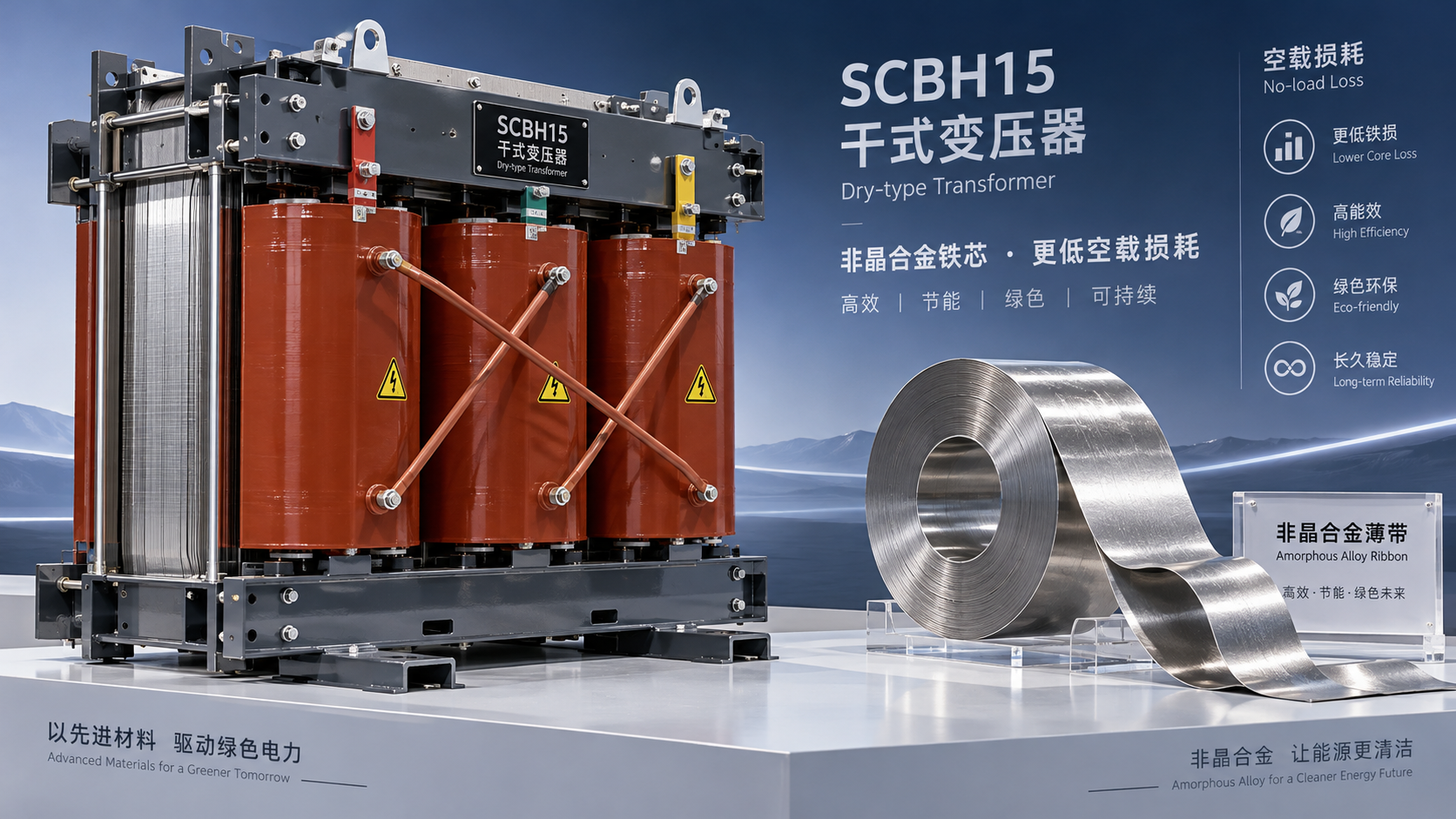
 How the amorphous core affects SCBH15 dry-type transformer losses
 Sizing S13 oil-immersed transformers for variable wind farm output
GET A FREE QUOTE
We offer reliable products, competitive prices, and nationwide professional support, committed to providing customers with efficient and energy-saving power equipment solutions.